Book EN

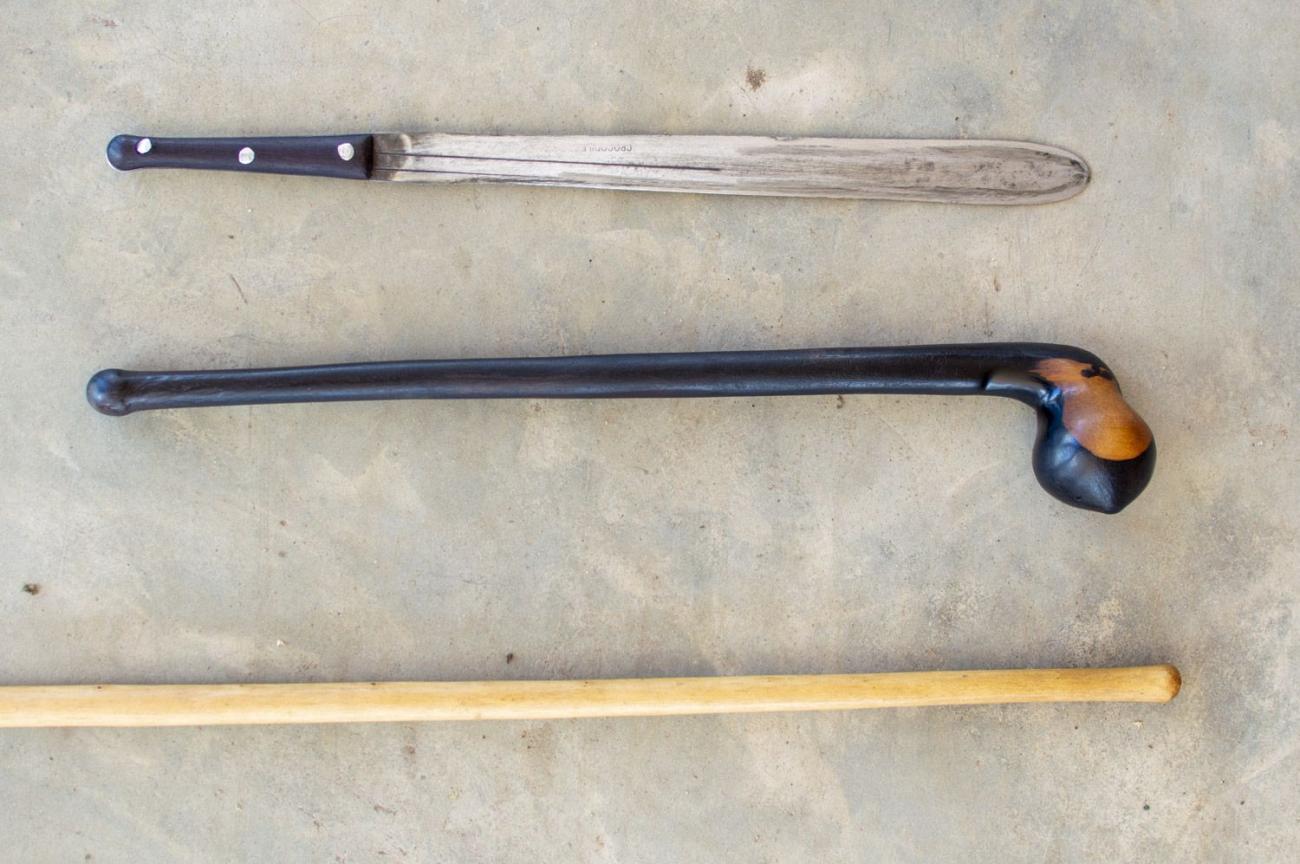
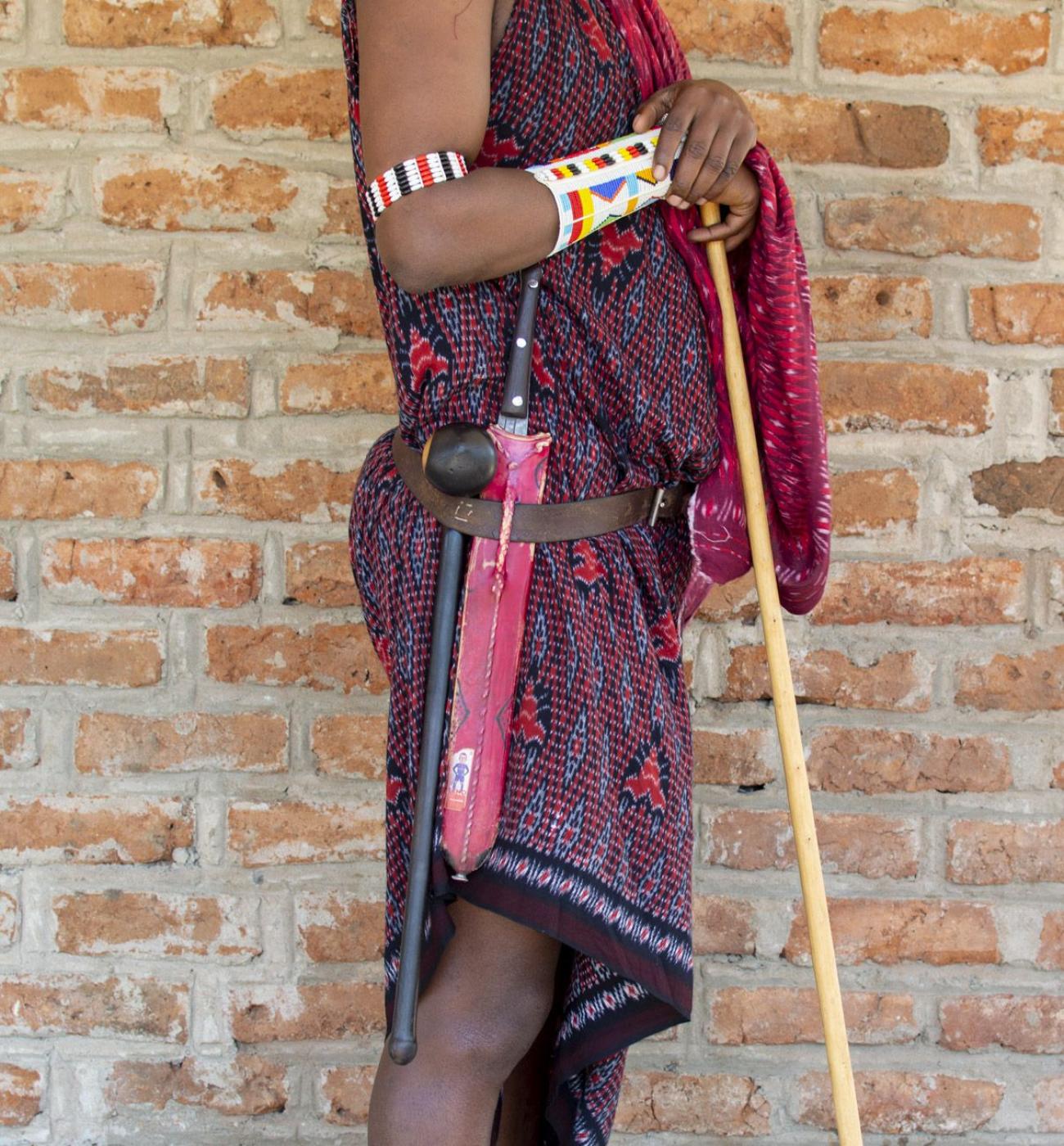
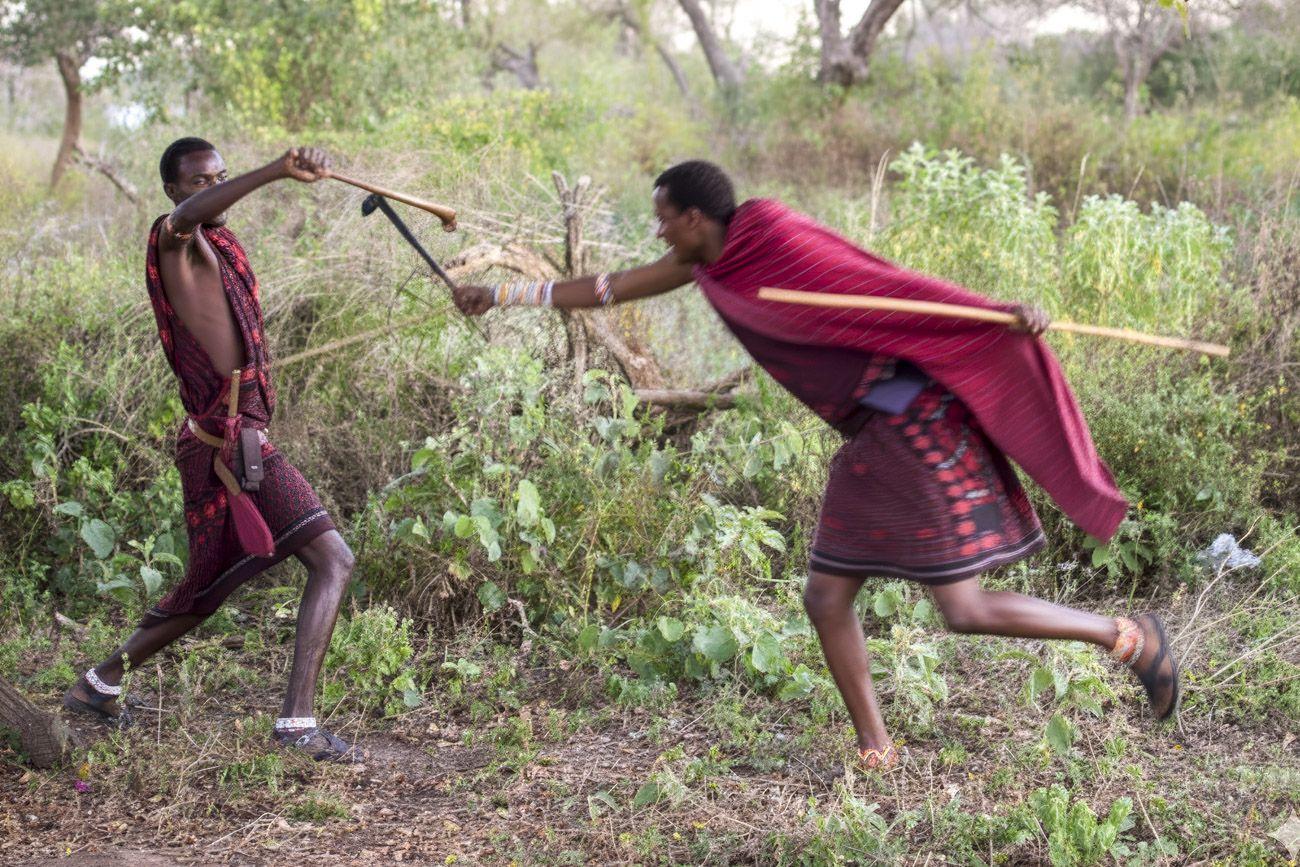
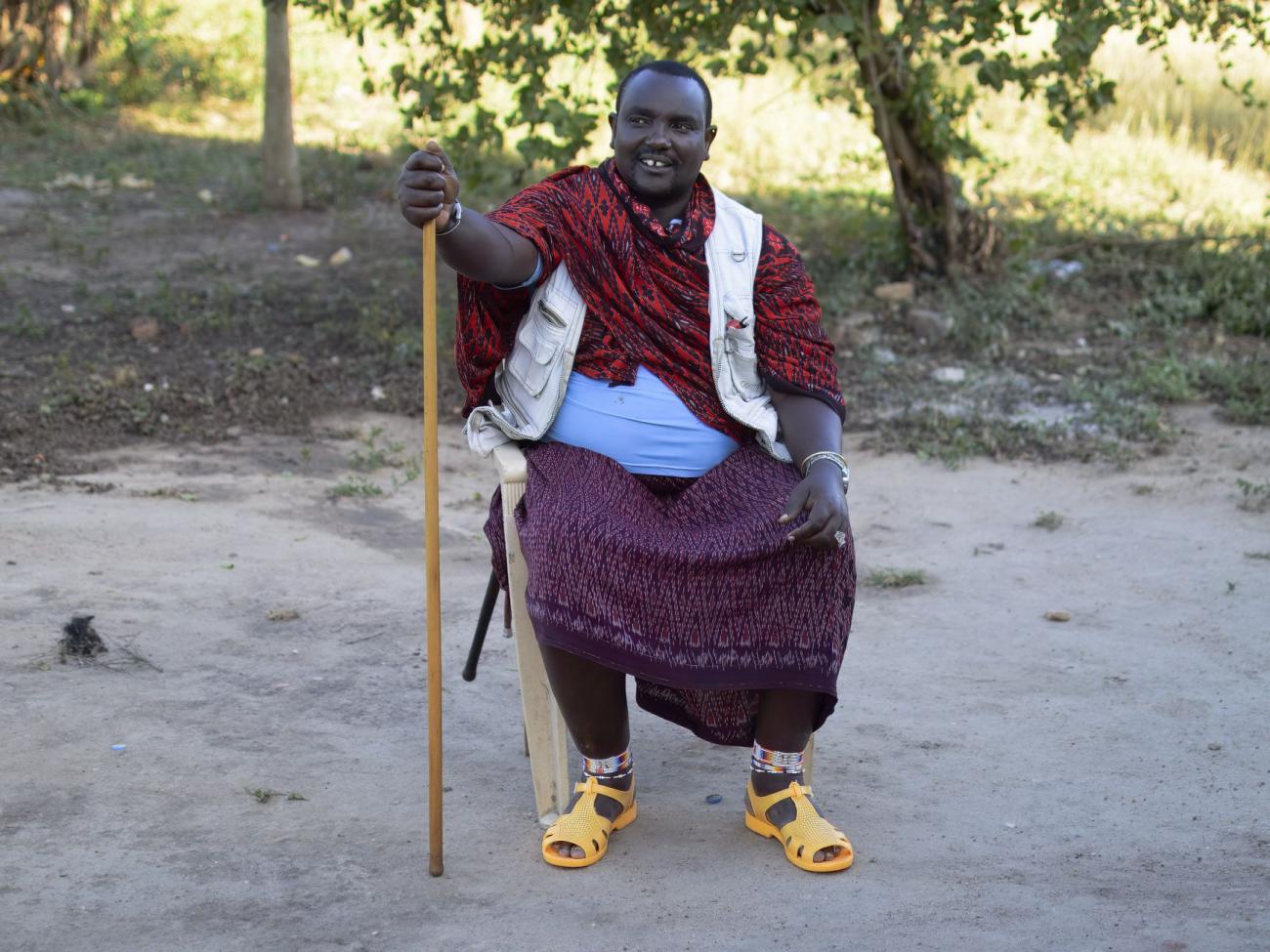
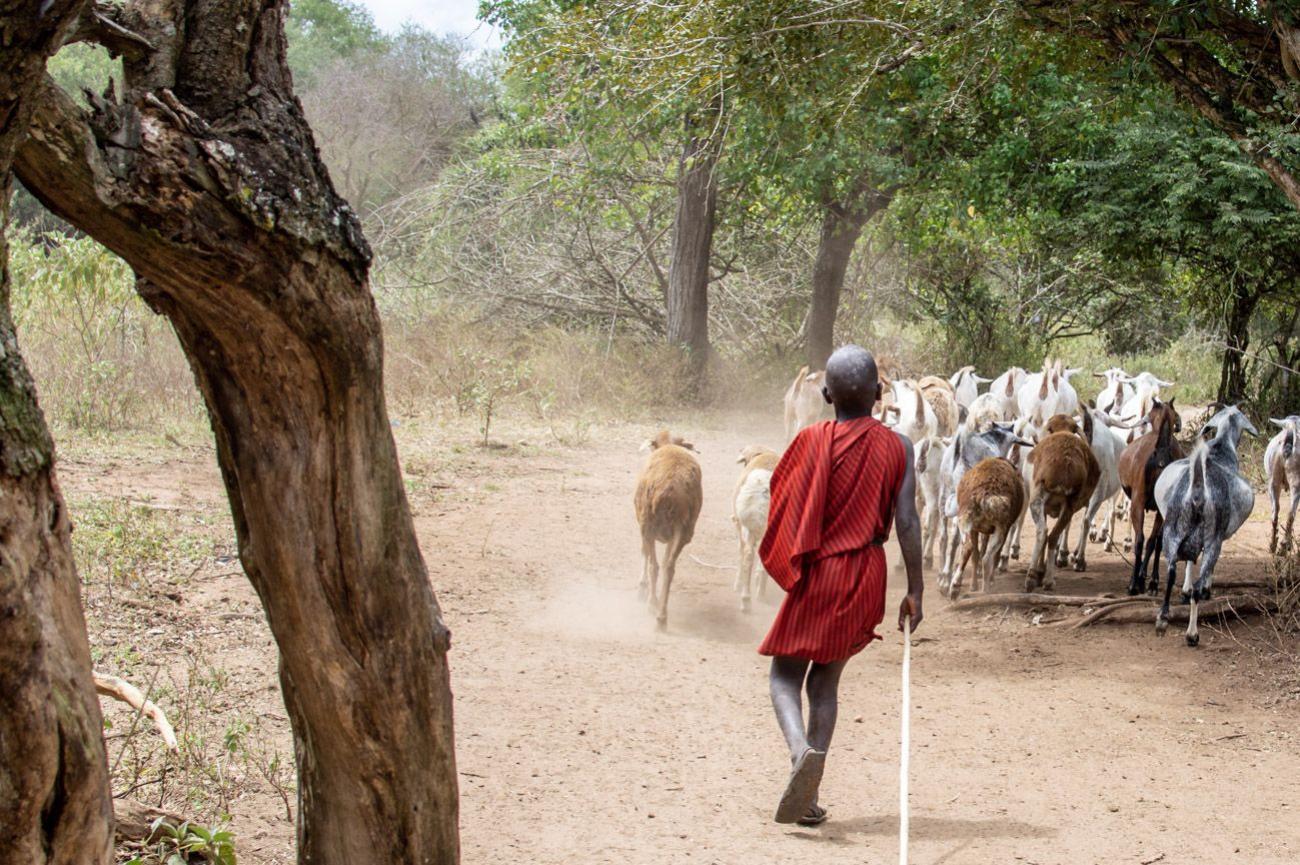
The Maasai have a remarkably warm relationship with their weapons. They mainly use three: the short machete called orbanga, the rungu, which looks like a wooden hammer, and the stick known as emudi, which has an impressive range of applications. They wear their weapons practically all the time. In the morning, when they get up, they strap on the orbanga, grab the emudi, and head out into the streets of the bush.
They presumably know how to handle them, because they’ve been playing with them since childhood, and when they advance to warrior status, they spend a year in a training camp learning how to use them properly and survive in the bush. In the shop there was also an iron spear leaning against the wall. In reality, it was a rusty rebar rod with one end forged into something sharp. About other weapons beyond the three I mentioned—like the spear—they were rather reluctant to talk. Presumably they’re banned by the state, so I don’t know the details.

The short machete, or long knife. Its primary function was to swing elegantly at the hip, but it occasionally proved useful—for instance, for trimming a twig used as a toothbrush, or when Sekenoi sliced meat for the kitchen in the morning. He cut meat that would later become rosti or soup. He had an unconventional setup: a wooden board nailed at an angle to a tree at shoulder height. He’d pull out the machete, grab the meat, and hack it into pieces on that board. It had undeniable advantages, because nearly every piece of meat fell to the ground. The soup was therefore certainly more nutritious and richer in vitamins.
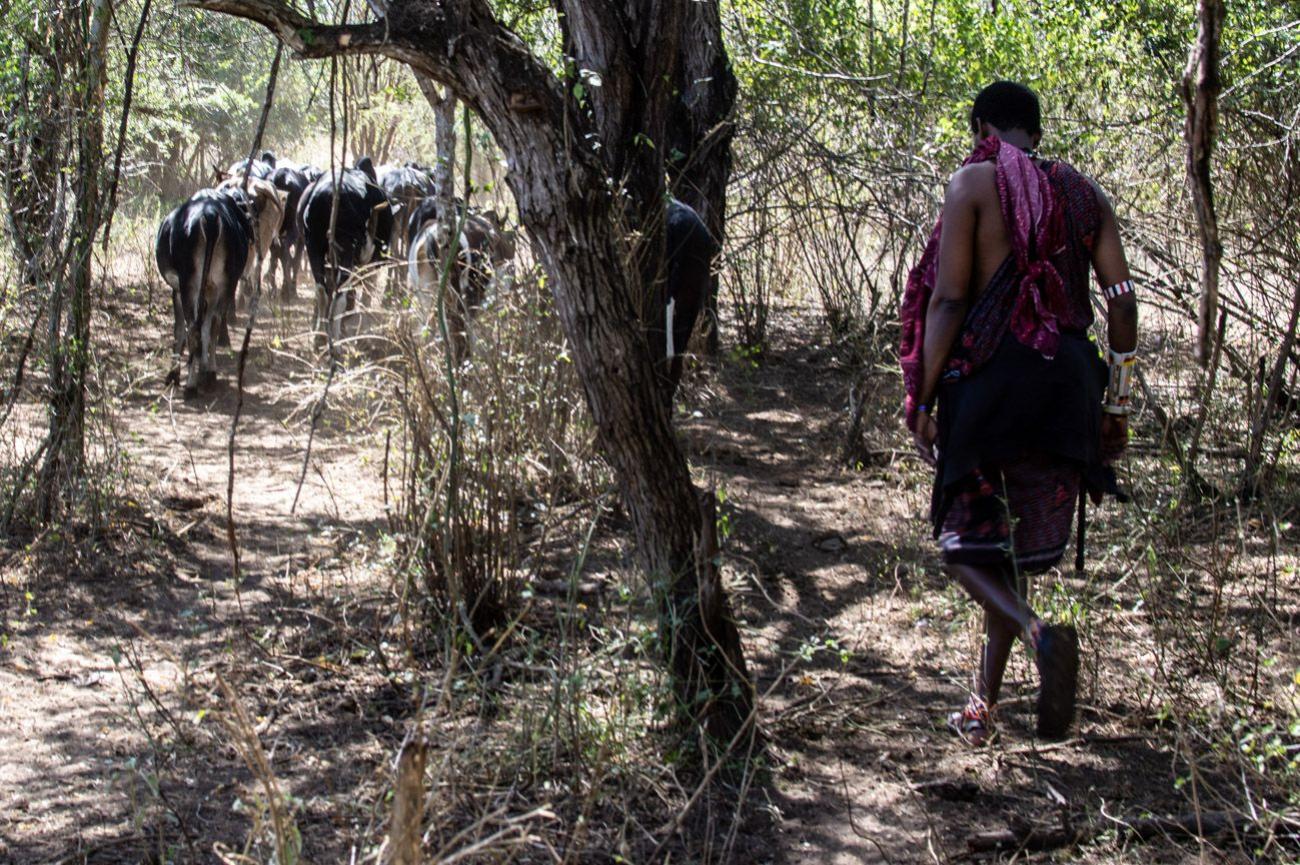
Weapons undoubtedly have their purpose, because a Maasai basically spends the entire day walking through the bush with cows. And in the bush, besides snakes and wild, furious tortoises, there are also leopards who enjoy a cow—or a Maasai—strolling freely through their territory. Since the local diet is largely herbal—aside from meat, which is truly rare—and lived out in fresh air, perhaps the flavor profile of a Maasai is comparable to beef. I wouldn’t know, I haven’t tried. I’ll ask. Though I suspect they won’t understand me again. I could try tasting one directly, but that would likely end in a similar misunderstanding. Once I tried to explain the principle of cannibalism, and my words floated away completely uncomprehended.
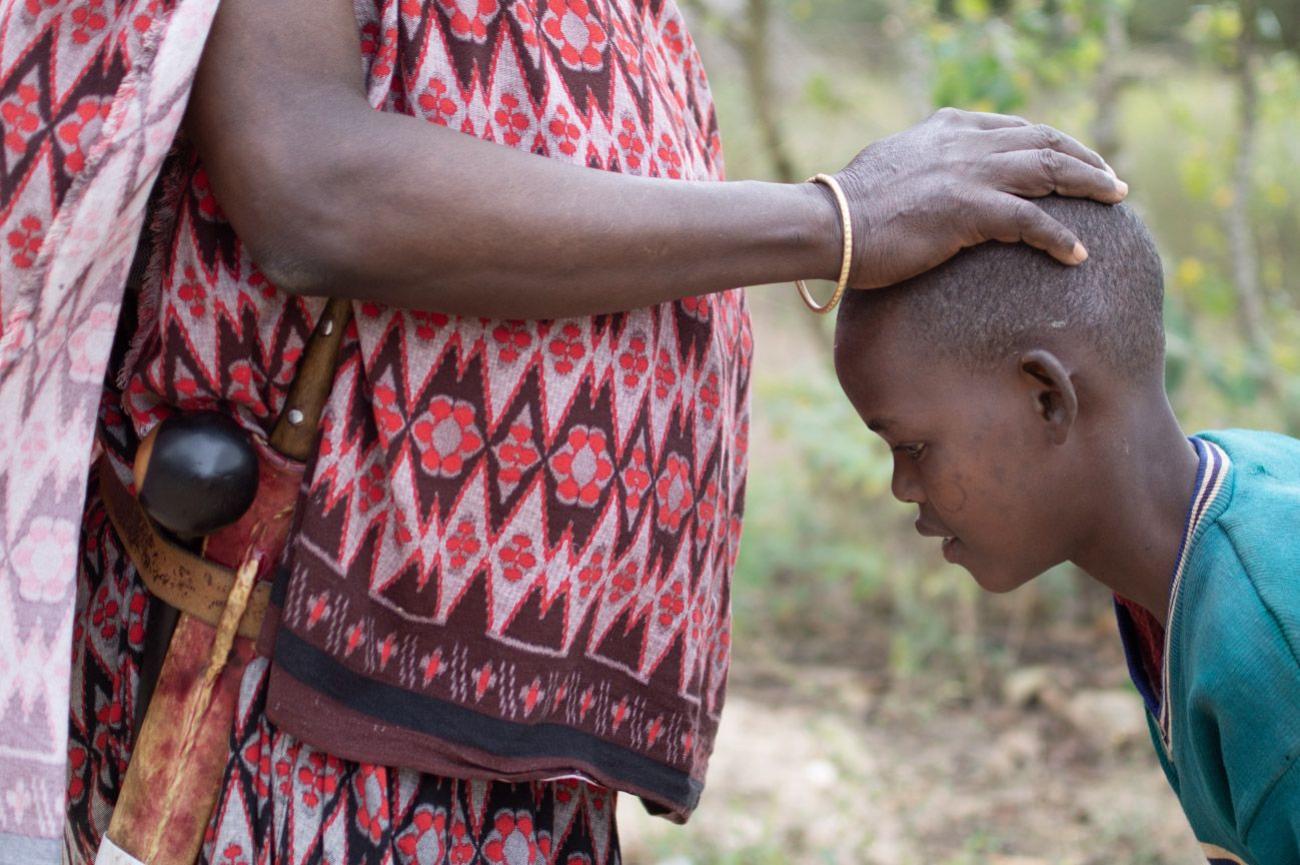
Another essential component of a Maasai is the rungu. It’s made of ebony and resembles a hammer. Every owner proudly displays how worn his rungu is, because that proves it’s constantly carried. An outsider unfamiliar with these customs might assume this is a nation of handymen. But what exactly would they be fixing in the bush? Shrubs are mostly self-repairing, acacias put up fierce resistance, and when a house collapses, they rebuild it by hand. So the rungu enjoys even more decorative swinging at the hip than the machete. Once I saw Sekenoi use it to chase away a nearby crow. So yes, it truly is a useful tool.
Another inseparable element of the Maasai is the emudi stick. It has a much broader range of uses than the other two weapons. For example, it serves in road maintenance, clearing branches that grow into the path, or for driving cows forward. But its greatest and truly decisive function is the fight against gravity. Most of the time, when they are standing, watching, or talking, Maasai lean on their emudi. Without it, they would simply fall over. It was an ordinary shrub branch, fairly straight. Gradually, emudi began accumulating in the house, one after another, until there was a whole herd of them standing there. When there were about thirty, Renča threw them all out. Perhaps they were already exhausted from their endless battle with gravity.

A funny story. Once we went to the bank in Handeni—Alois, Sekenoi, Renča and I—and at the entrance their weapons were confiscated. Their faces carried a sweet-and-sour expression, and every few seconds they checked with their hands the place where those accessories were supposed to be. They were simply not themselves.
Another story concerns the spear. When someone visited the wife of another warrior, he would lean his spear against the door. When the husband saw the spear by the door, he knew what was happening and calmly waited. Once, however, a friend brought his spear and leaned it against the door because no one was home. Later Sekenoi arrived and saw the spear. He was afraid to go inside, as that would break the custom, but he puzzled in vain over who might be with Renča. He circled nervously around the house until Renča herself appeared, and together they puzzled in vain over who might be with Renča. And with that, I concluded my pondering of Maasai weapons—even though there was no spear leaning against the door.

Share this

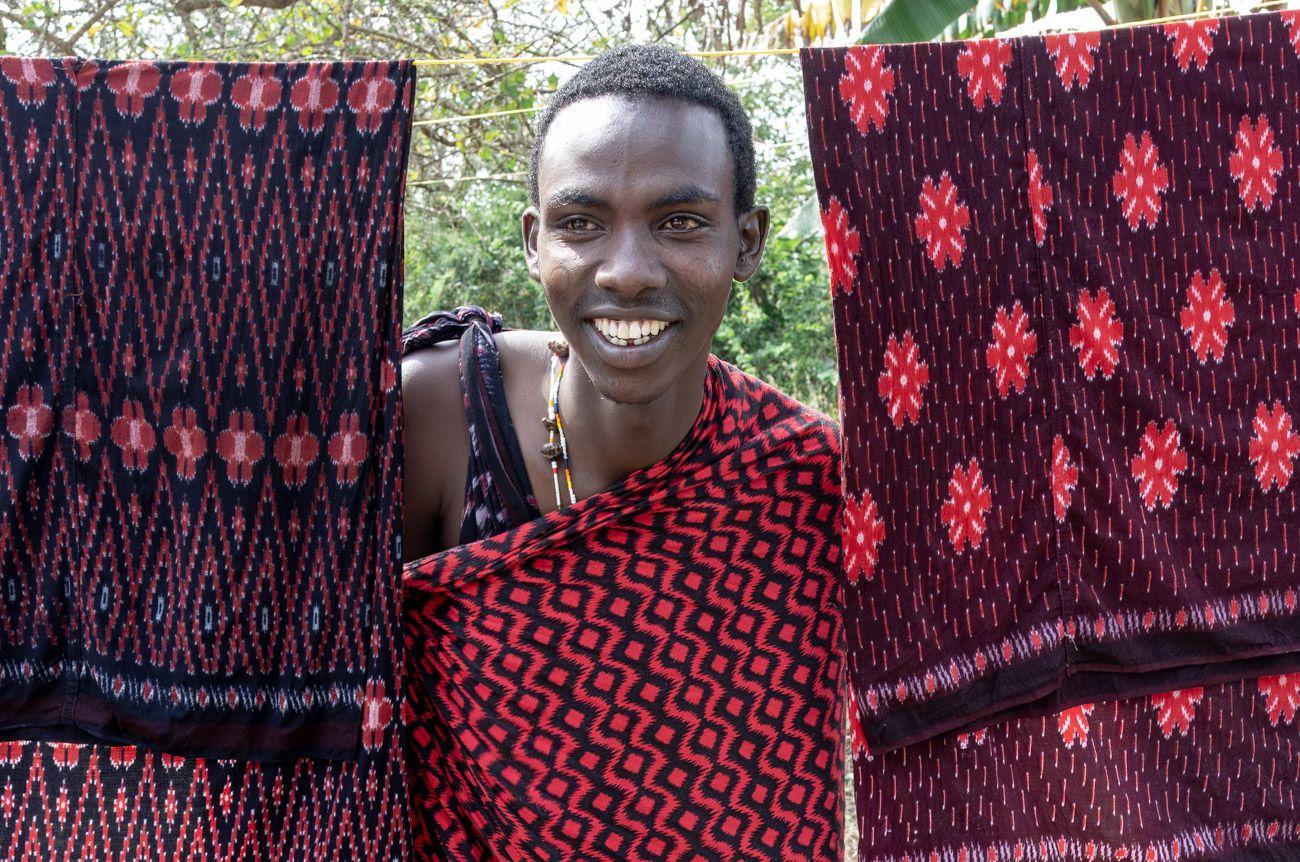
People in Africa wear clothes. According to old travel books, that wasn’t always the case—especially women were said to wear almost nothing—but from what I’ve seen, people in Africa are dressed. I don’t know about the whole of Africa, because I haven’t been to the whole of Africa, only to a small slice of it. But in that slice, everyone I saw was fully clothed. Clothes seemed more important to the locals than anything else—more than food, more than education, more than just about anything. I can die of hunger later – first I need to look like a king. As soon as I arrived in Handeni, even though it was probably just an ordinary Wednesday, I noticed how the women walked around dressed as if they were heading to a royal reception—bright colors, shiny fabrics, turbans like tropical crowns. I assumed there must have been a national holiday, that they’d been dancing at a ball all night and were now drifting home at dawn. I was wrong. That was simply the default setting. Glossy fabrics. Loud colors. If they could, they’d probably wear a blinking banner just to increase their saturation level.
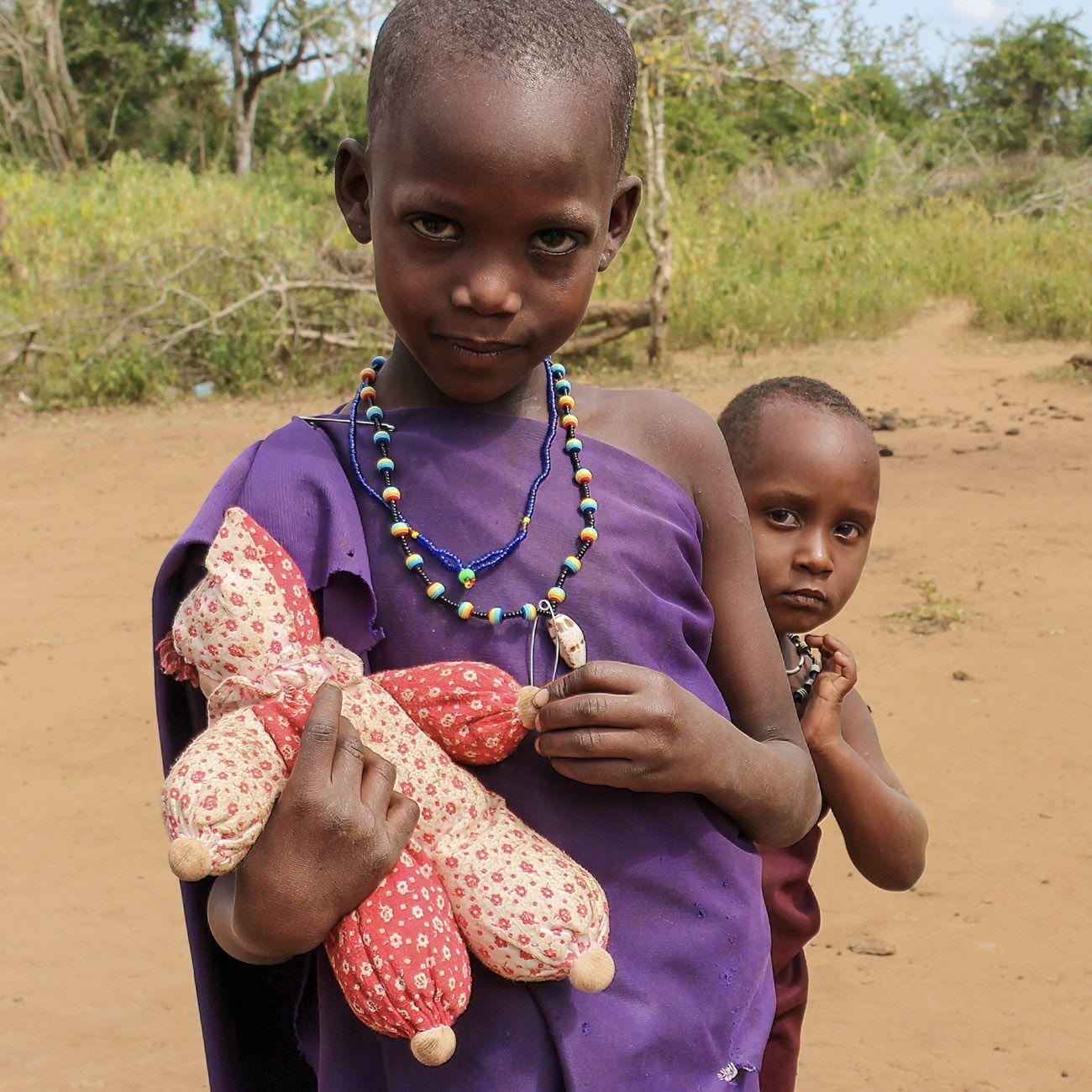
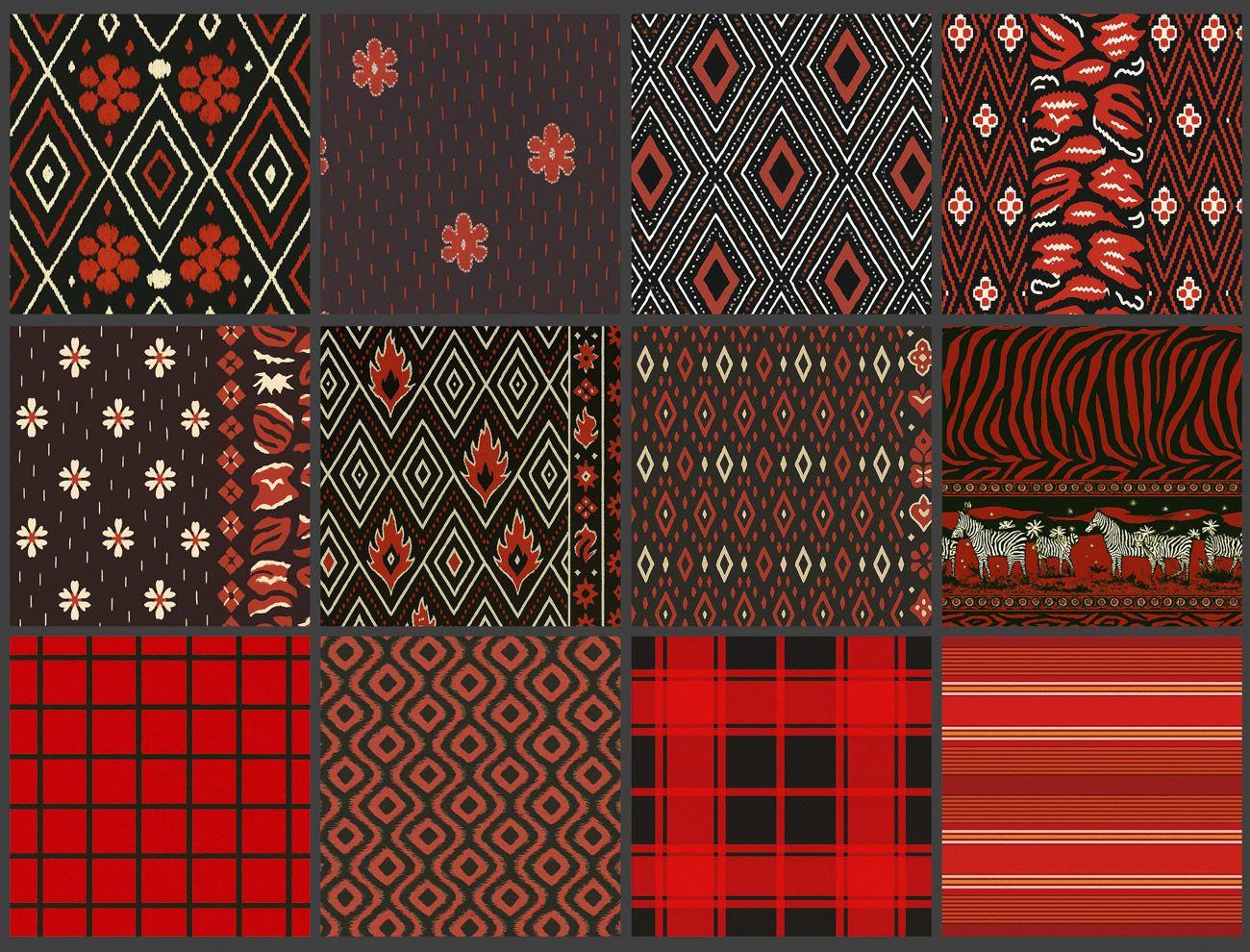
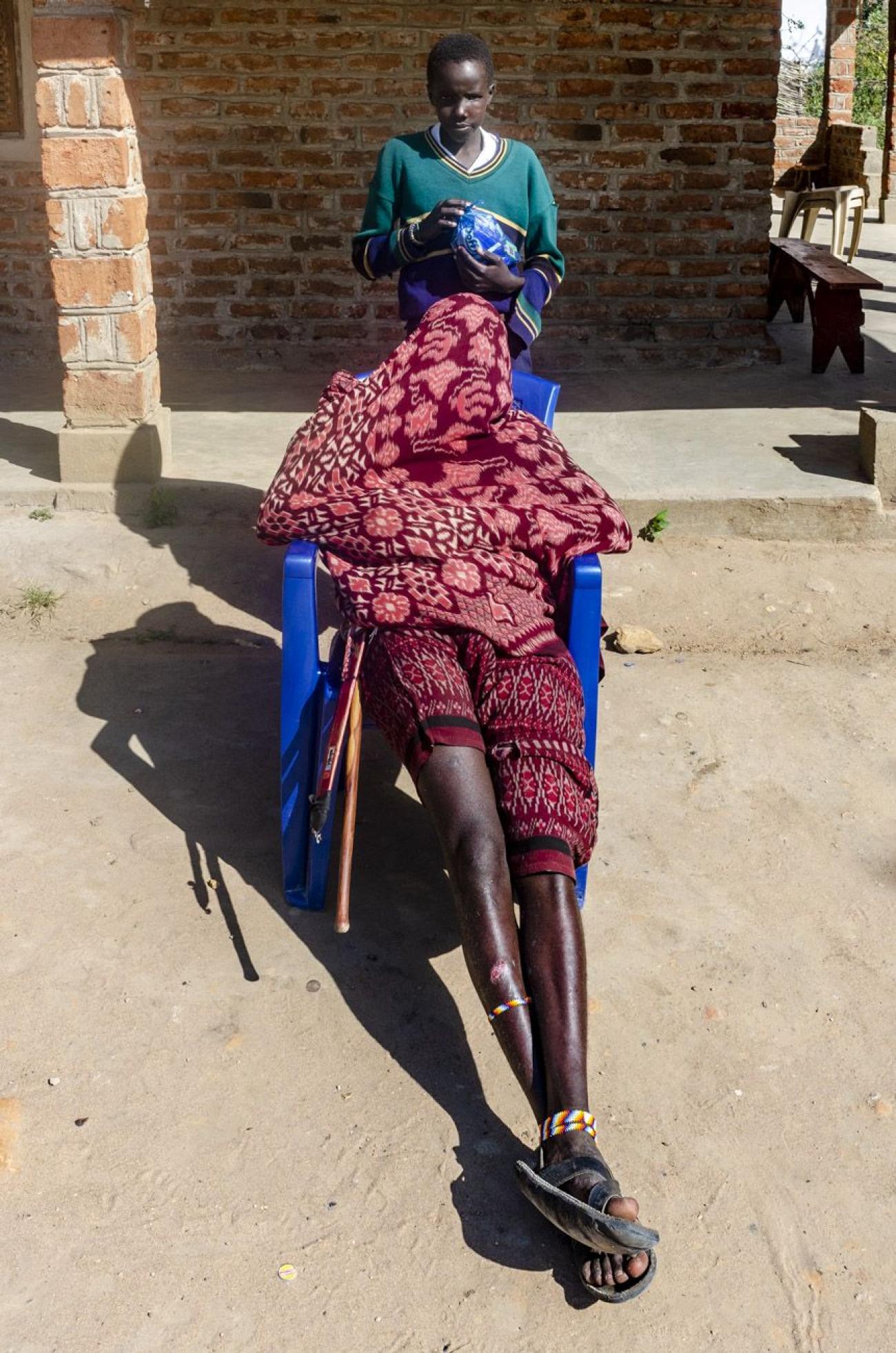
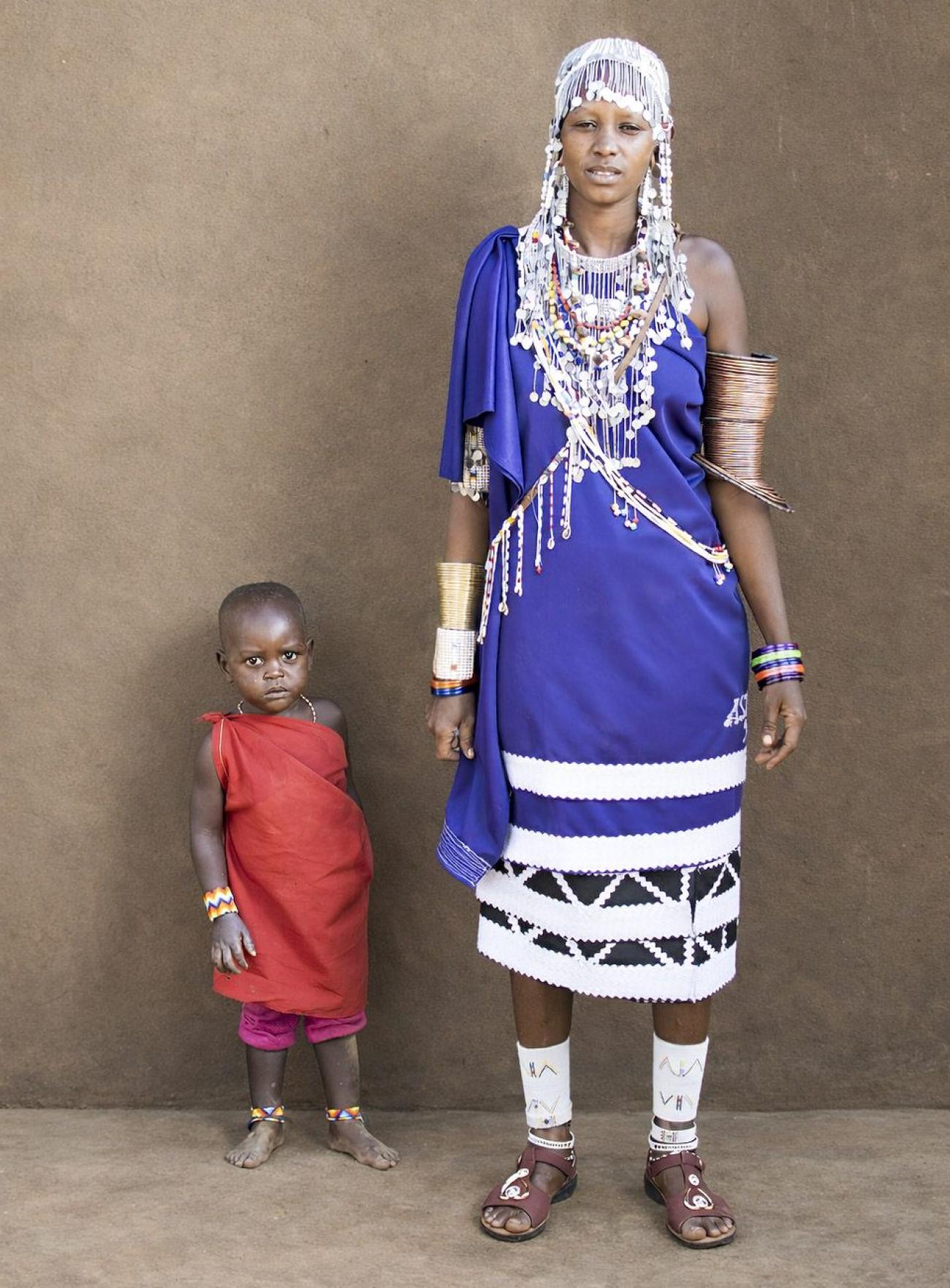
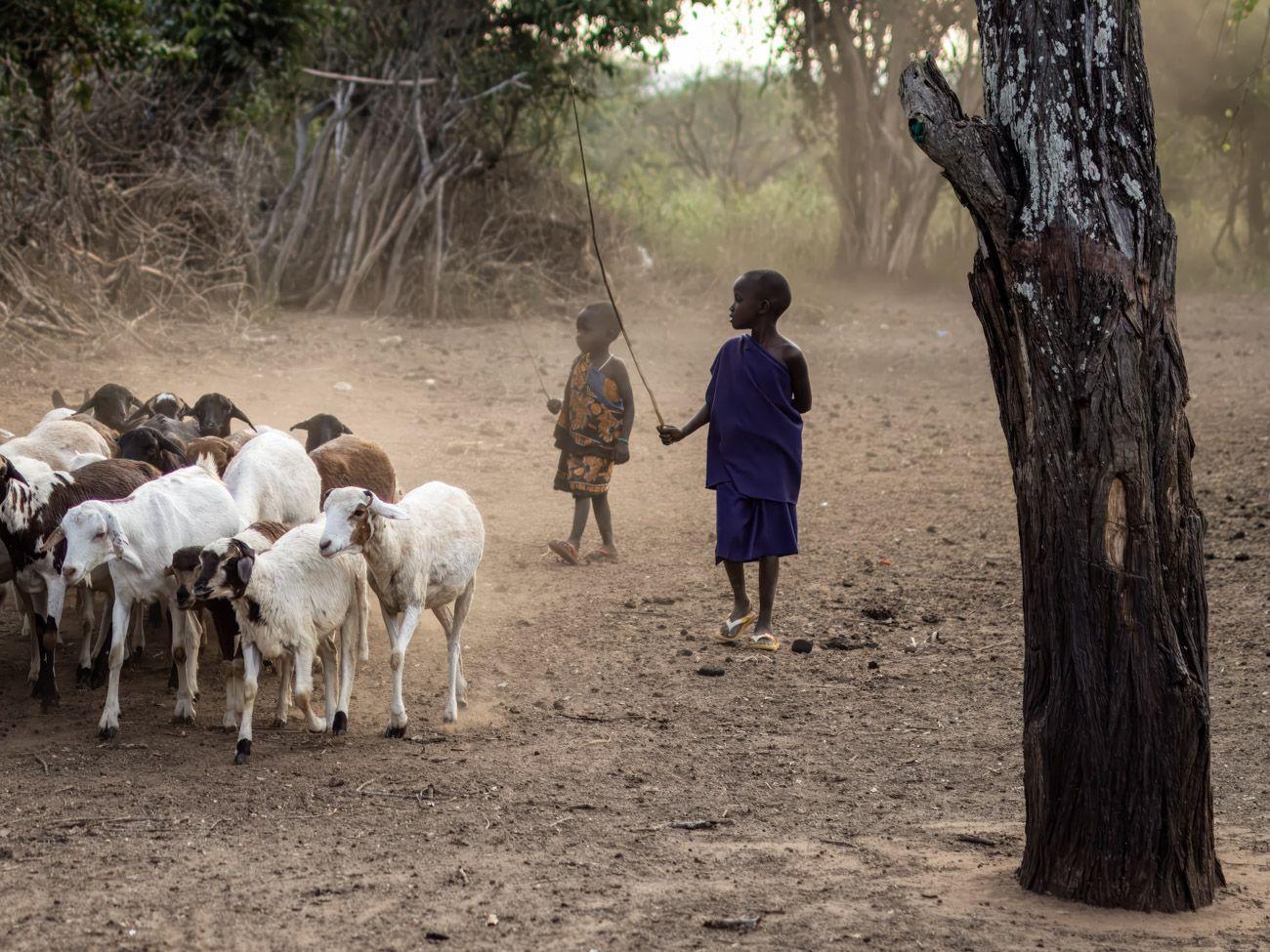
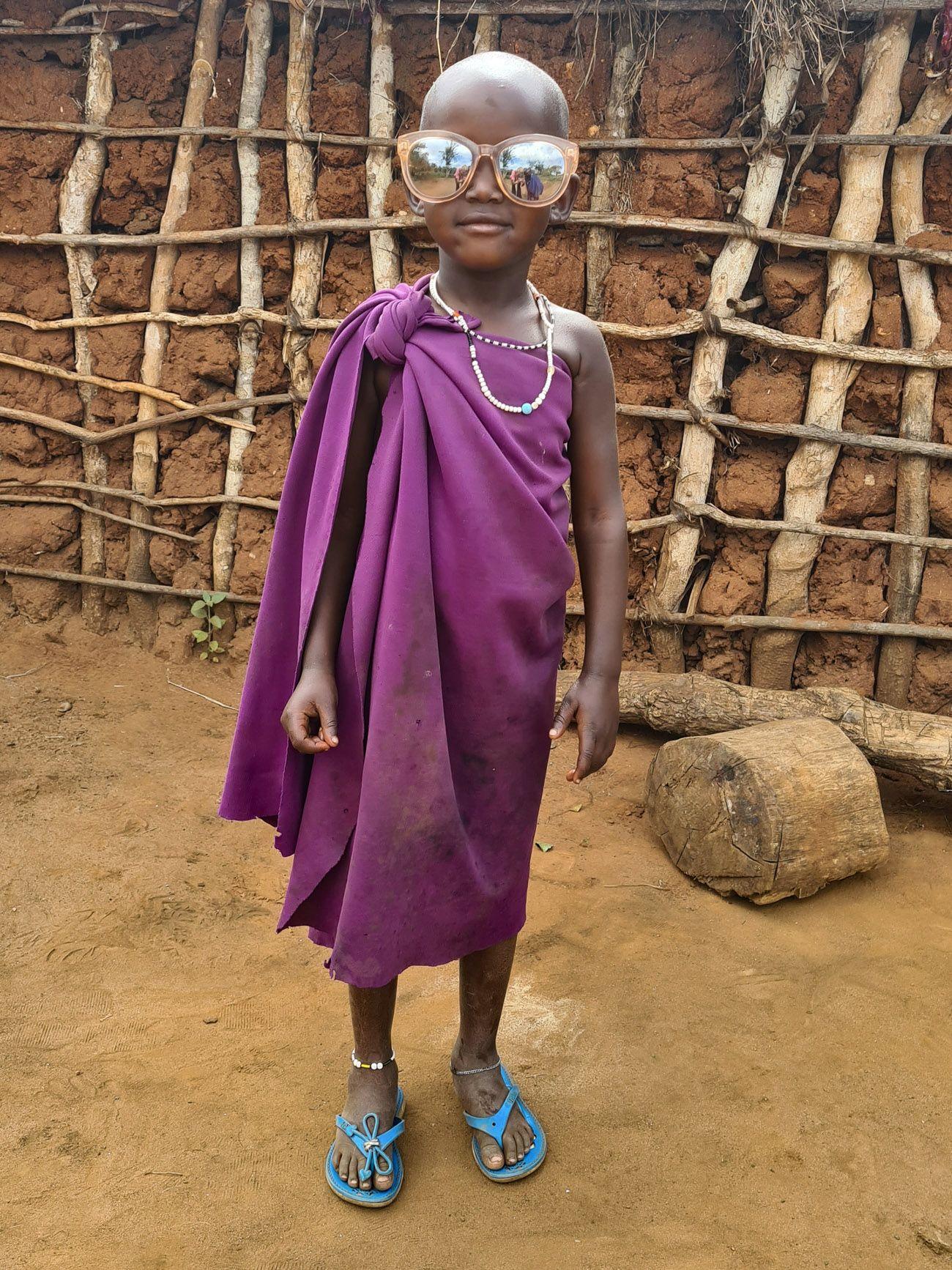
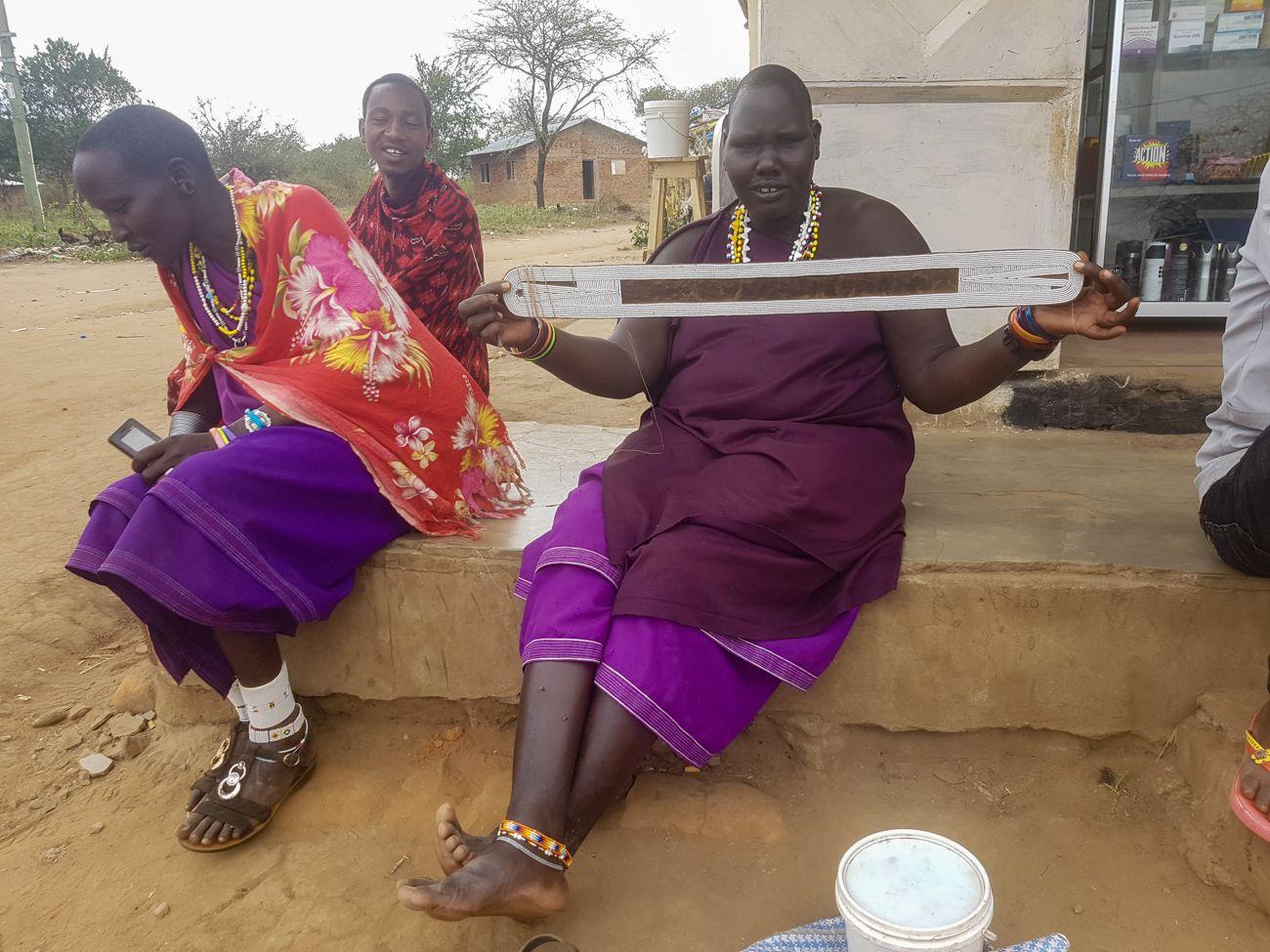
The patterns were spectacular—everything from Scottish-style checks to zebras that looked like they’d just escaped a circus. Even the single-color fabrics looked ceremonial. Everyone wore something different, even if at first glance it all seemed the same. Maasai women, on the other hand, had it easier. Purple dresses, identical cut, shaved heads. They all looked almost the same. They’d be clones, really, if only nature had agreed on one standard model.

It made me wonder what would have happened if, long ago, when someone decided that this would be the official Maasai outfit, they had chosen spacesuits instead. Picture this: cows strolling through the bush, a Maasai in a spacesuit behind them, meeting another Maasai in a spacesuit. “Hello, any news?” They haven’t seen each other for at least twenty minutes. “I can’t hear you, I’m in a spacesuit.” “I see your lips moving, but I can’t hear you either, I’m in a spacesuit.” “I’m in a spacesuit, but I think I’m running out of oxygen.” And he faints. Which clearly proves that spacesuits are not an ideal solution for the bush. They would collapse Maasai culture in record time. In short: no spacesuits.

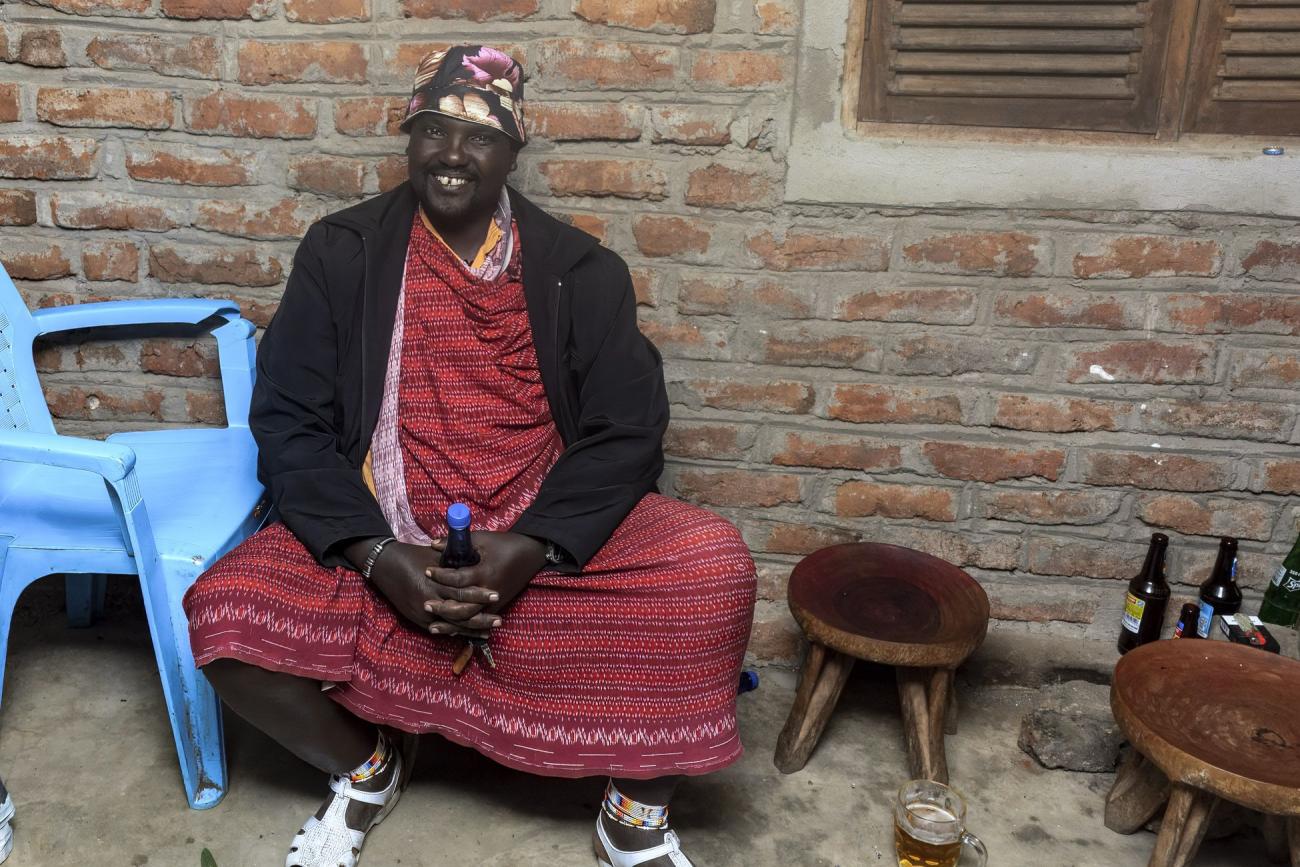
Traditional Maasai cloth robes have one enormous advantage—they are all-day, all-night garments. Nonstop fashion. At night they double as a sleeping bag. At least I think so. I never actually slept in a house with Maasai. That might have disadvantages for them, because compared to them I am definitely not slim and I definitely snore. Besides that, warriors included weapons as part of their outfit, so in the evening they took those off—unlike the robes—and in the morning, as soon as they got up, they put them back on and wore them all day. It was very practical, because when they walked through the house with those weapons, they could knock things off the table with them. Every single time they passed by.

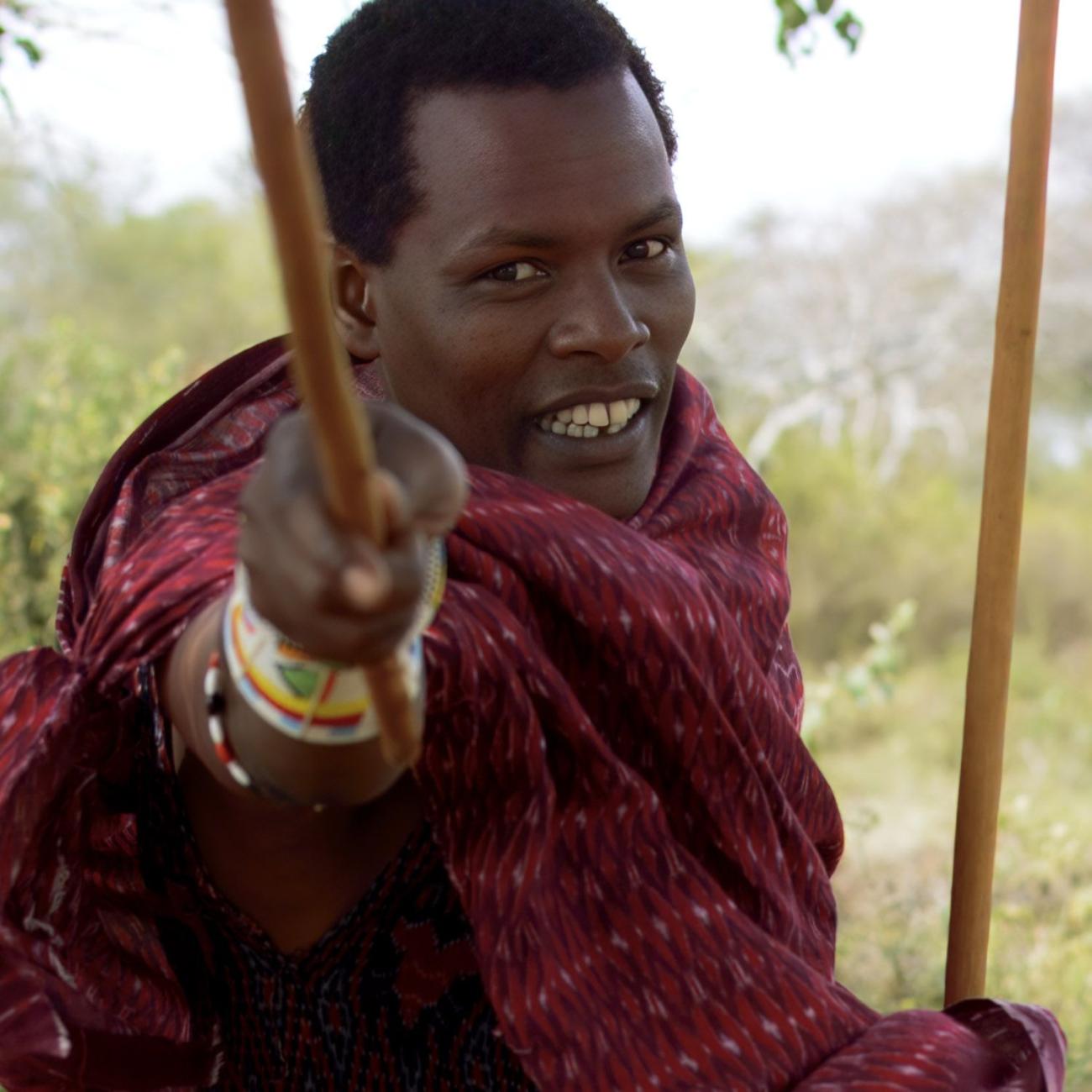
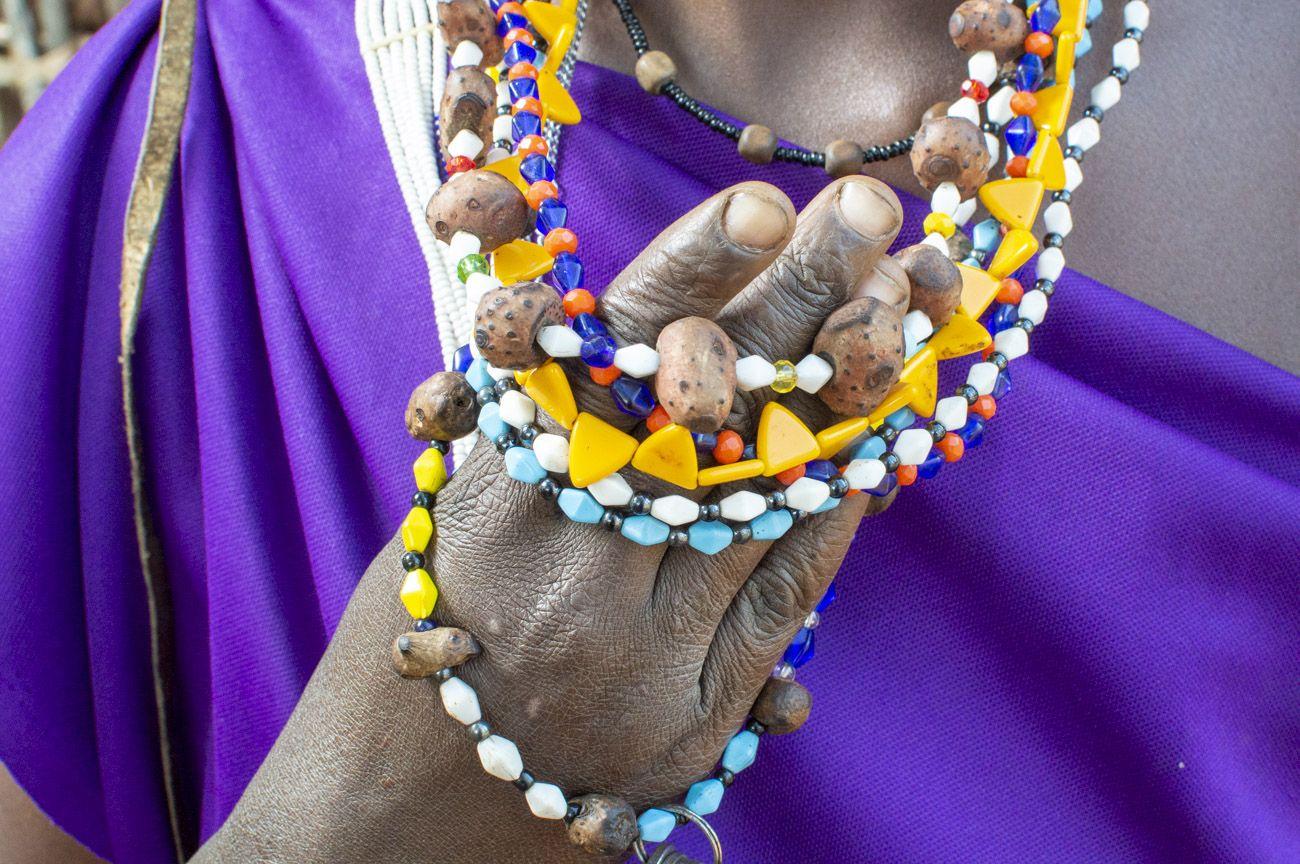
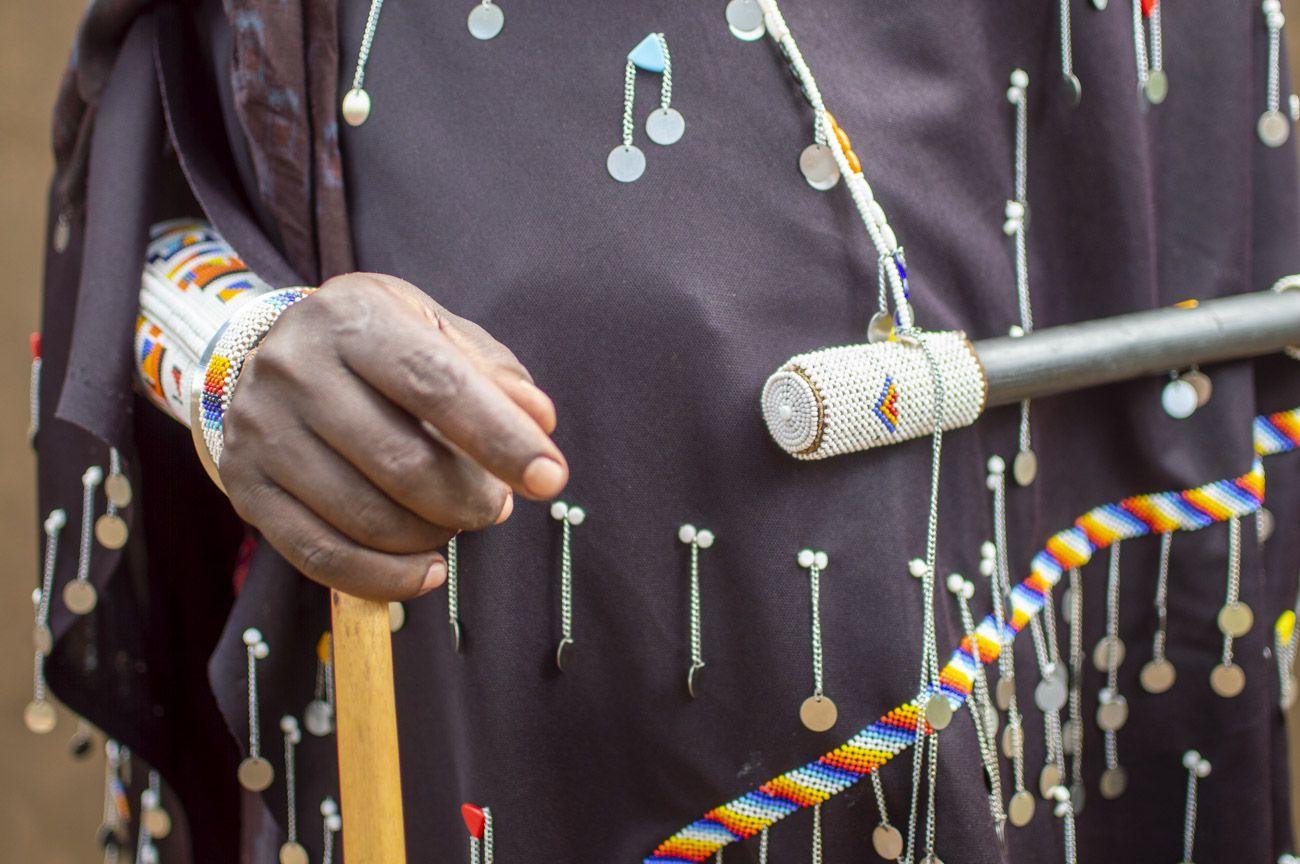
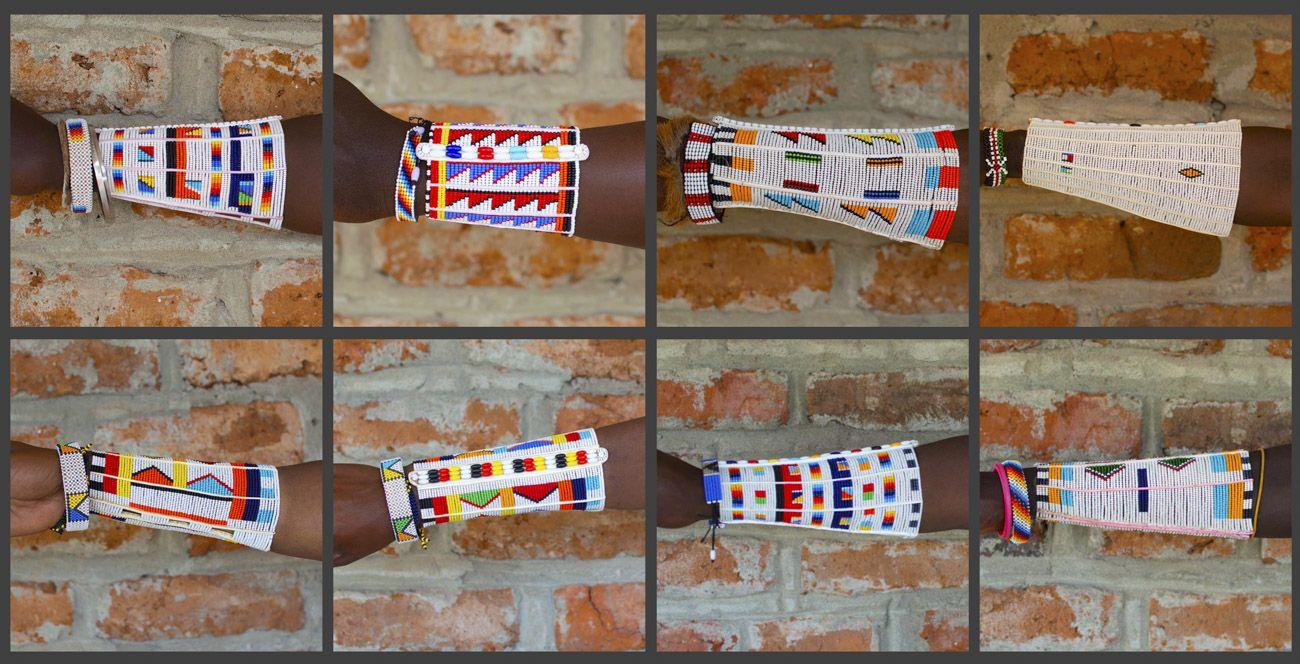
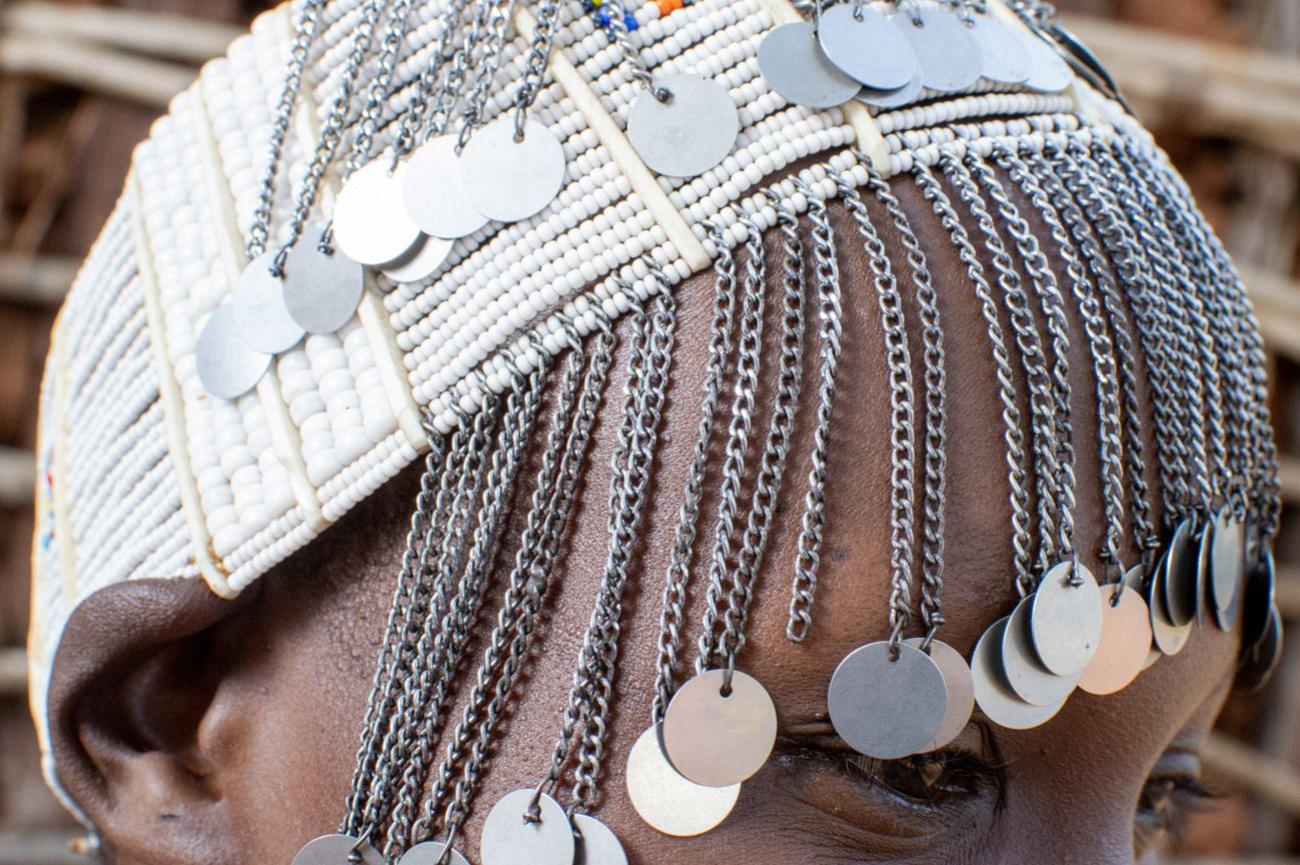
Seeing a Maasai warrior on a regular weekday without beads in every color known to humanity means he is not a Maasai warrior. Their affection for bracelets, necklaces and ornaments sometimes borders on fanaticism. Fanatics of all nations, unite—and hang yourselves in beads! My favorites were the emusitai—wide bracelets, about twenty centimeters across, worn on the forearm. They were expensive, handmade, each one unique. The funniest part? They were sewn on permanently, so they couldn’t be taken off. Another very popular decoration were small metal discs with a hole. If they were coins, there would have to be a Maasai National Bank issuing small change before every celebration so people would have something to decorate themselves with. But there is no Maasai National Bank—if only because it would have no authority to declare national mourning in case the coins ran out.

Women have it arranged completely opposite to what we’re used to. The men walk around overloaded with beads, hair extensions and vivid patterns, and the women all wear identical purple dresses. Of course they like to decorate themselves too, but they cannot compete with the intensity of the warriors. I have a funny story about that. I bought about thirty bead necklaces on request and unwisely left them on the table. Within two minutes, two Maasai women were standing there, already trying them on. For the life of me I couldn’t explain that I was taking them home. Only when Renča, in her calm but firm manner, explained that the necklaces were not to be taken, did the shouting subside and the beads were returned—with deep incomprehension. And I almost forgot the children. They were dressed just like the adults. Certainly not the same garments—unless the goal was to watch them drag yards of fabric behind them like confused little caterpillars.

Share this

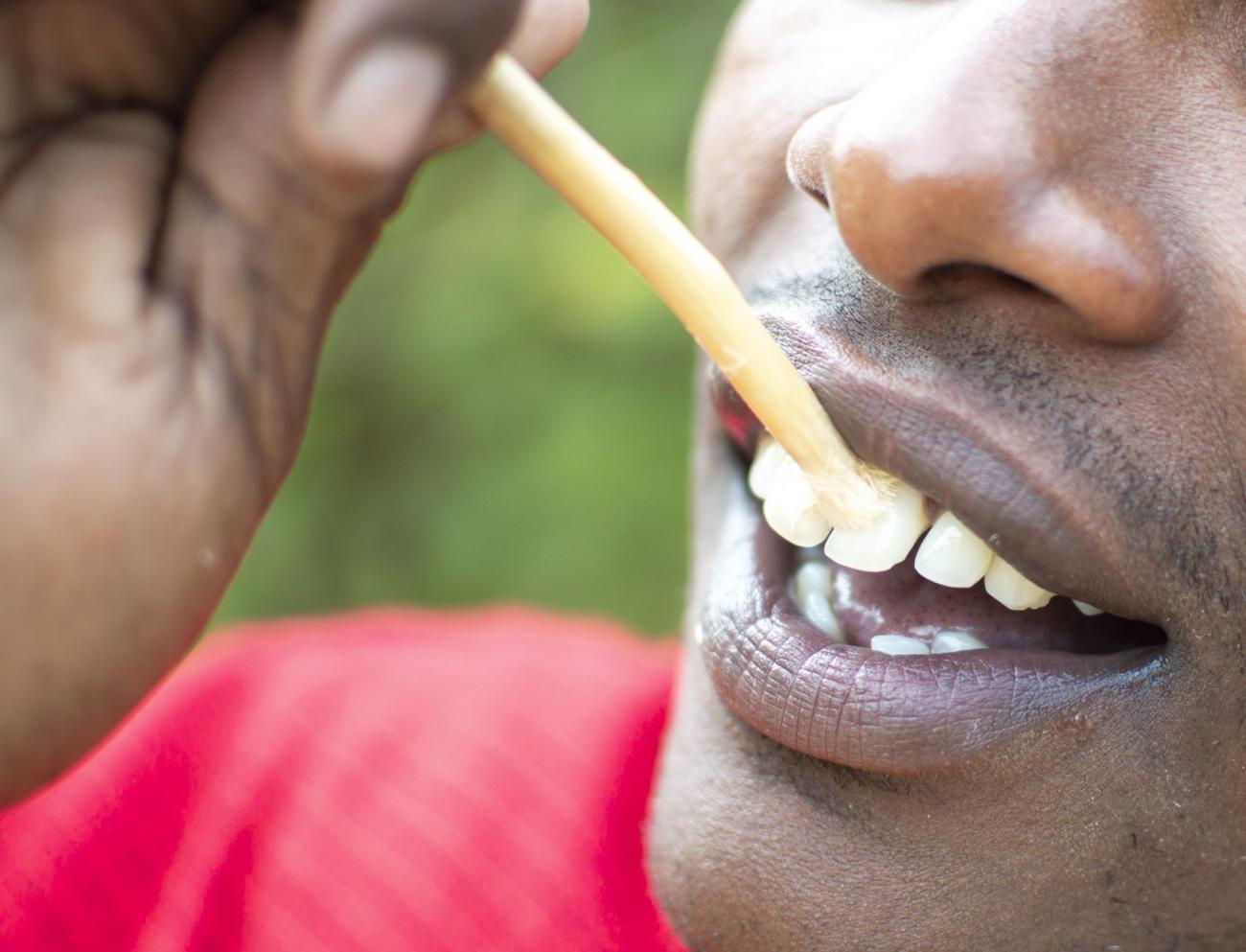
Local people have to clean their teeth often, because if they didn’t, they might lose them. And if they lost their teeth, they couldn’t eat meat. Which would be a tragedy. The same kind of tragedy as when someone back home turns out to be a vegetarian. They don’t have plastic toothbrushes, because, as we all know, plastic is bad for nature. For example, someone might stick it up a tortoise’s nose. The only wild tortoise I saw there was spared this fate. It had no toothbrush in its nose. I’m already looking forward to the day when politicians back home discover this too, announce that toothbrushes are made of plastic, ban them, and order toothbrushes to be made of wood instead. An electric wooden toothbrush. A wooden toothbrush branch. Ultrasonic, of course. You’d be mad not to buy one.

The vast majority of Maasai have beautiful, healthy, large, white teeth. It occurred to me that they use them to scare leopards. A local person walks through the desert—sorry, the bush—and spots a leopard. The leopard bares its teeth at him, the Maasai bares his teeth back. And so they bare teeth at each other, mutually intimidating one another, until it gets dark. Then, when tooth-baring slowly stops making sense, they part peacefully and head home, exhausted after a full day of baring. A perceptive reader blessed with eagle eyes may have noticed that Sekenoi is missing one tooth in his lower row. I didn’t know whether it was the bottom right or bottom left, so I had to ask what the local custom was. Not all men have this tooth, because at around fifteen they become warriors and the tooth is pulled out without anesthesia. Supposedly, it’s beautiful. I don’t know—I got used to it; it mainly serves as decoration, even though it’s a very interesting approach to the idea that if I don’t wear something, if I don’t have something, then that absence itself is decoration. But above all, the gap is used to elegantly spit saliva. They do it very often, and with a loud hiss the spit flies remarkably far.

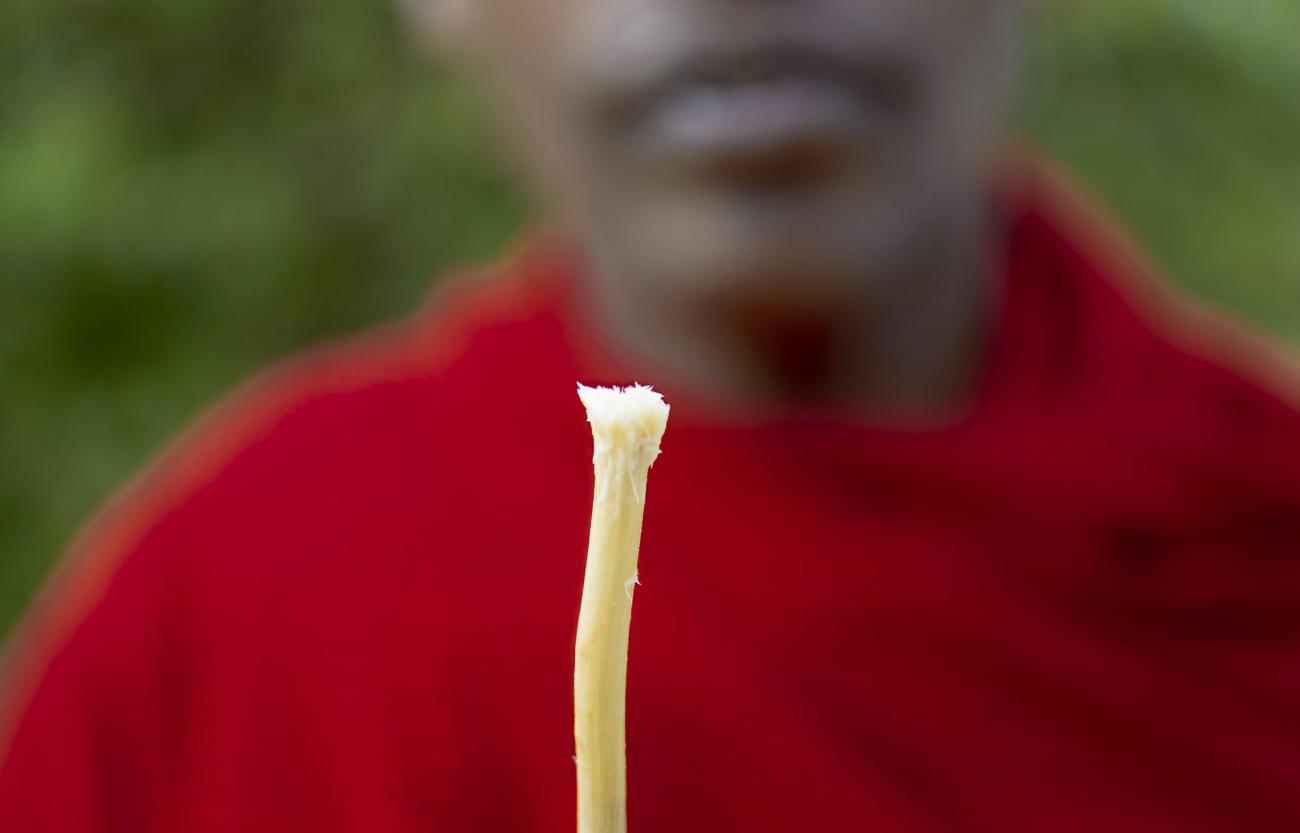
Maybe if they tried spitting straight up, they’d eventually reach space. Since they spit very often, there would soon be a lot of Maasai saliva in orbit, and it could be used as satellite internet. And since Starlink isn’t allowed in Tanzania, they could have their own Maasai saliva-based internet. So, how do you prepare such a toothbrush branch? You find a suitable bush, esiteti, pull out a machete, and try to look inconspicuous. Then you launch into a short, almost always victorious fight with the bush and walk away smiling with a reasonably thick twig, moving far enough away so the bush can’t take revenge. You strip the bark off the twig with the machete, chop the end off nice and straight, and split it into fibers using your back teeth. Depending on how long you chew, you can define the hardness of the toothbrush bush: soft, medium, or hard. Once the bush has calmed down and the twig is sufficiently chewed, you stick it in your mouth and clean your teeth. You often wander around while doing it, pretending you’re doing some serious work.

Medium.
Share this

Julius Munikiti — the eternal mayor of the village of Mbogoi. Apparently, there was a brief moment when he wasn’t mayor, because in an election someone else got elected. The new mayor decided it was time to introduce local taxes. Since the Maasai are permanently armed, fairly numerous, and deeply unimpressed by the idea of new taxes, the freshly elected mayor had a quick rethink: he cancelled the taxes and resigned. And so Munikiti became mayor once again.

“Munikiti” in the local language means mayor, but everyone called him Munikiti anyway, even though his real name was Julius. He spoke English—perhaps not quite at the level of using past tense, but he spoke it. He had completed four grades of primary school, which in local conditions is roughly the equivalent of being a professor. He often sat with us late into the night, drinking beer or Konyagi and telling us all sorts of things. Many, many sorts of things.

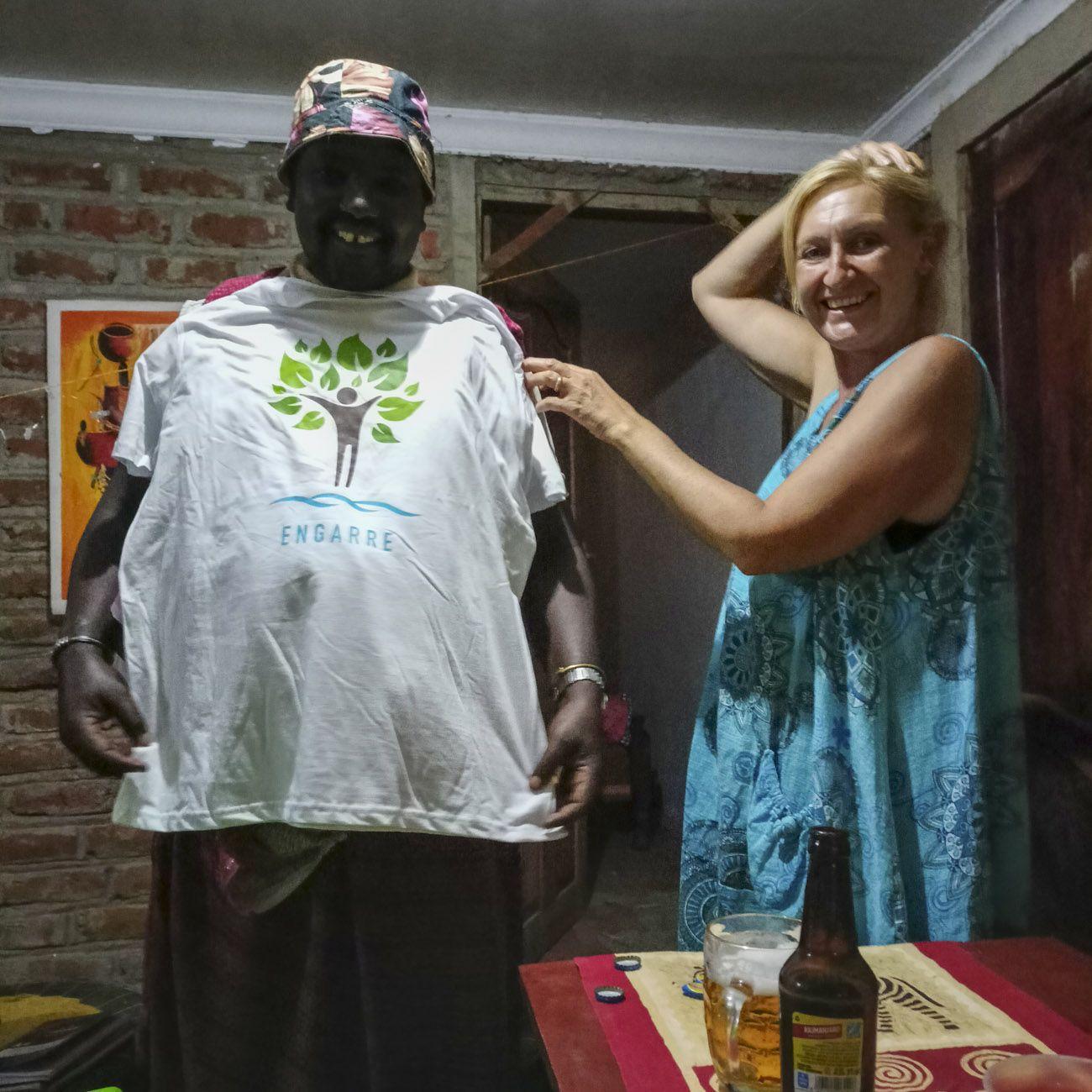
Engarre, Munikiti, an Engarre T-shirt, and a beer. What more do you need for happiness?

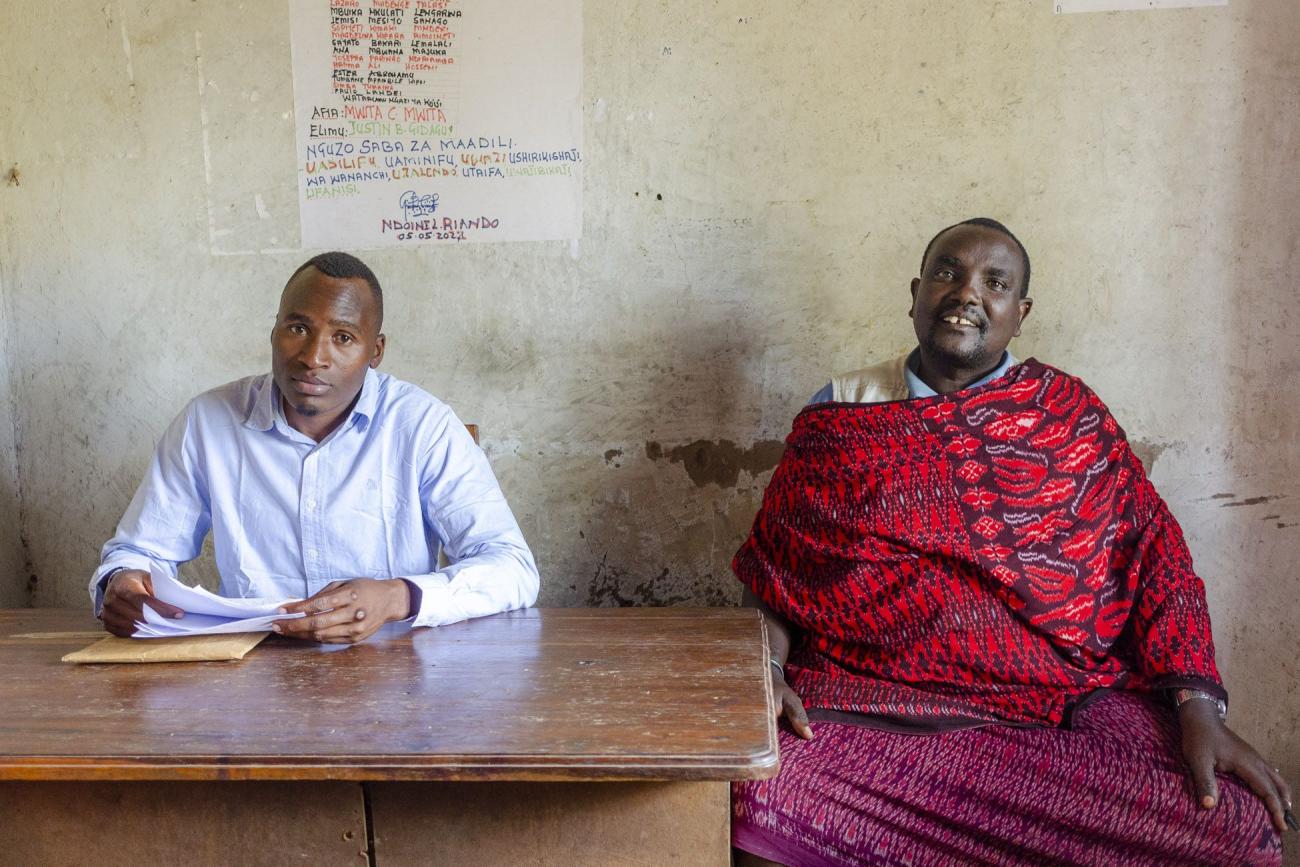
He shared the mayor’s role with a man paid by the state, who officially represented the government in the village. His position was formally called “half-mayor.” Even Mbogoi had a town hall building — a perfectly normal plastered house with a corridor and four, yes four, rooms. When you walked in, the first thing you noticed was that three of those rooms had their doors nailed shut. Yes, they don’t exactly go overboard with rooms here. Another local highlight of the town hall was the municipal noticeboard — a single sheet of paper pinned to the wall. Given that maybe five percent of the Maasai could read and write, the whole thing felt like a well-executed joke. Munikiti was probably the person with the best overview of Maasai customs and their history. He also knew local legends and forgotten technologies, such as how to make wine. And he could talk about these things at great length. He liked answering all my nosy questions — and when he didn’t know the answer, or didn’t want to give it, he would smoothly switch to talking about the beautiful and powerful Tanzanian nature. So long live the beautiful, powerful Tanzanian nature.

The positions of deputy deputy mayor and deputy deputy deputy mayor are still missing, but with the arrival of civilization, they will surely appear.

What did the practical execution of his office actually look like? Two stories explain it best — one I heard, and one I experienced.
The first was told to me by Renča. She was sitting with Munikiti, dealing with something, late in the afternoon, already well into evening. A Swahili woman came to him with a child. She said she had been at the hospital and needed to be there again the next morning, but she didn’t have the money to hire a boda-boda (motorcycle taxi) to get home and back. Munikiti took pity on her, called a motorbike rider, put her and the child on the bike, and sent them to his boma. They were to be given a place to sleep there, and in the morning someone would take her back to the hospital.

The second story is less touching and probably more common. A Swahili woman came to Munikiti saying that a Maasai man had called her a whore. She claimed she wasn’t, and wanted Munikiti to tell him not to say that again. That same evening, yet another case appeared — a completely different one. It was already dark when I suddenly noticed a very small man approaching from a distance, maybe about 150 centimeters tall. I had seen more people of this size there. Tanzania has many tribes, and sometimes you can guess which one someone comes from just by their build. When I saw him, I said to Munikiti, “Another customer, looks like you’ll be working for a bit.” The man came over, said something to him, Munikiti waved his hand and continued talking with us. Then he explained that this was a man who had only recently started living in the village, had gotten drunk, and couldn’t find his way home. So when he saw the nearest light, he came to ask which way he should go.

Advice Center: Julius Munikiti, personally.

As I’ve already mentioned, blanket collection of local taxes is not exactly a favorite sport among the locals. The village did have expenses, though — teachers were paid by the state, but the running of the school had to be covered by the village itself. So when Munikiti needed money for municipal matters, he went around to the people who had some, explained the situation and what the money was for, and they either gave it to him or didn’t. I try to imagine the mayor of my hometown in Slovakia turning up at my door and explaining that I should give him money because he needs to build two bike lanes side by side and his cousin happens to own the construction company that will do the job. I’m starting to understand why carrying firearms is so strictly regulated back home.


Renča had a birthday, and Munikiti had a raspberry soda.
Share this
Logoni drying laundry.
A small Sikuku celebration and old pots.
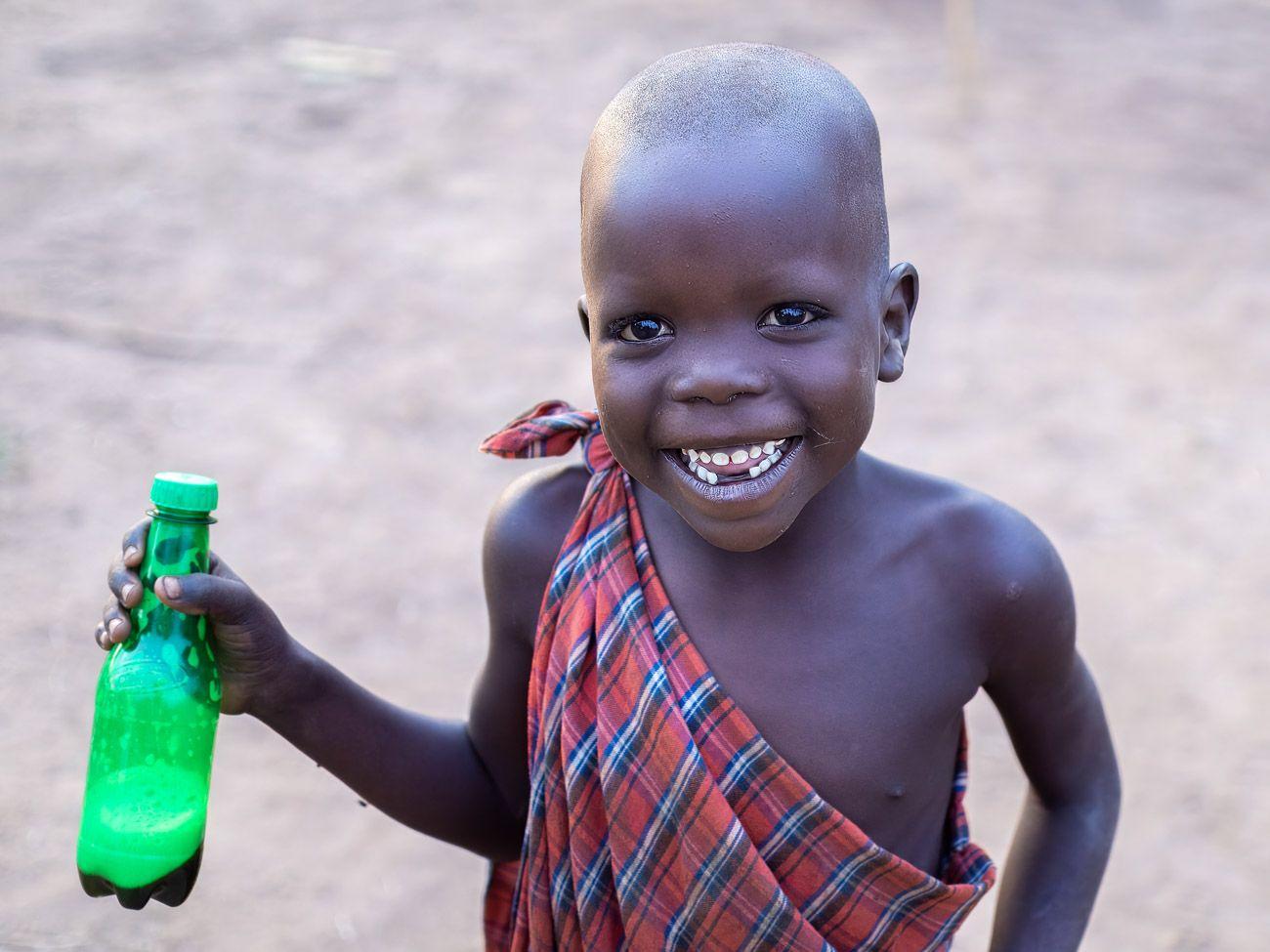
How little it takes to be happy.
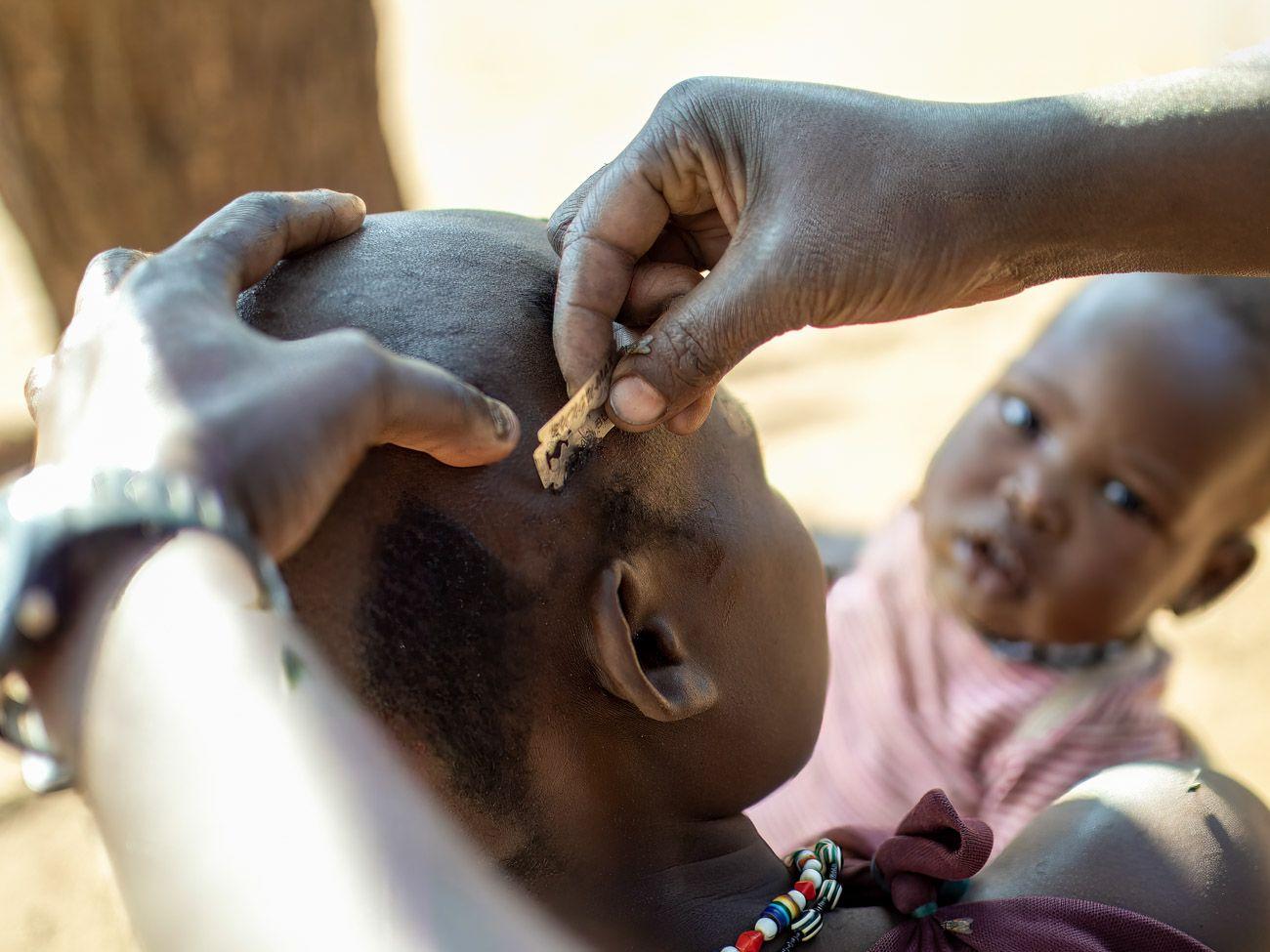
A woman at the hairdresser.
Festive decorations.
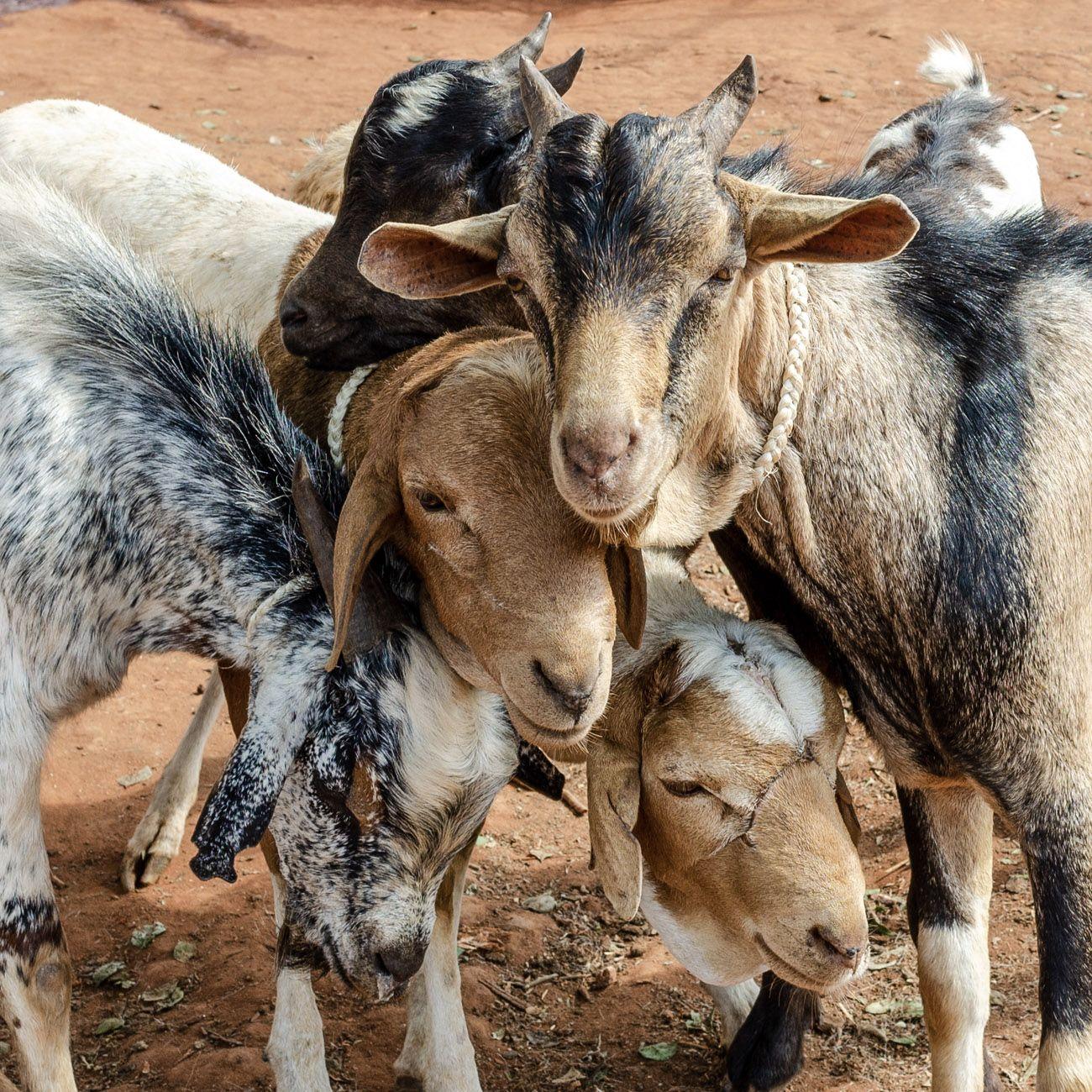
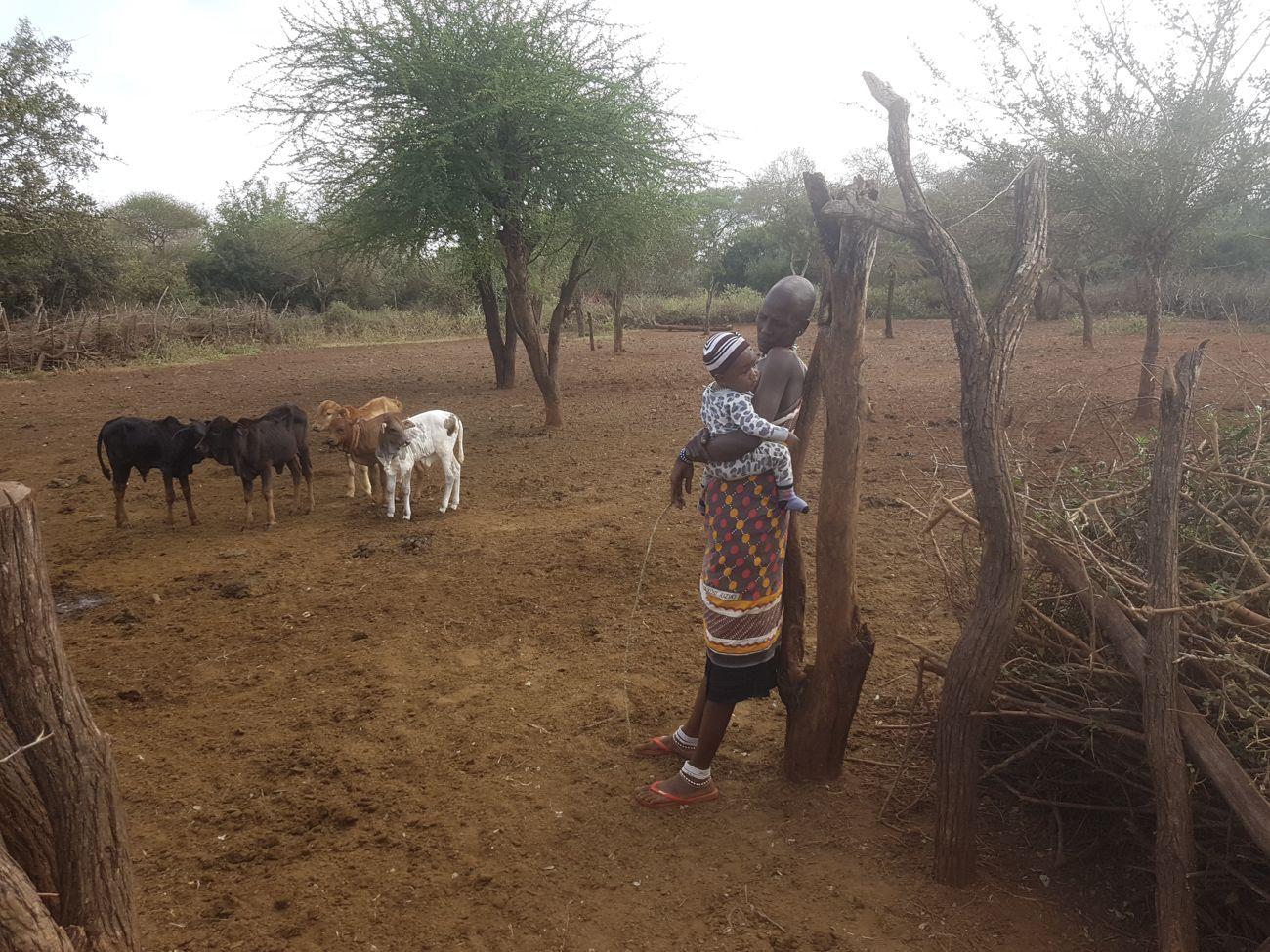
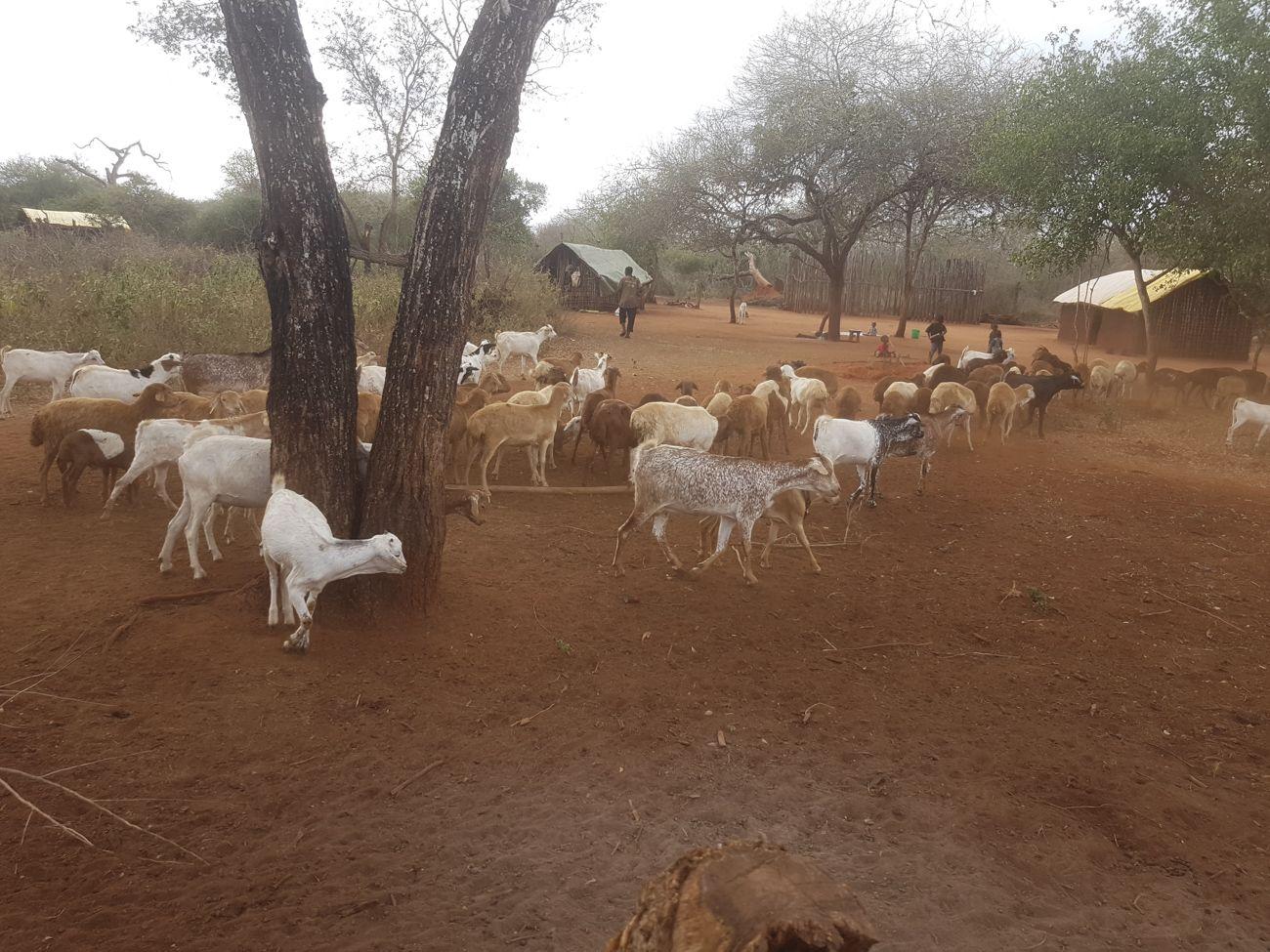
Small children and big goats and sheep in the boma.
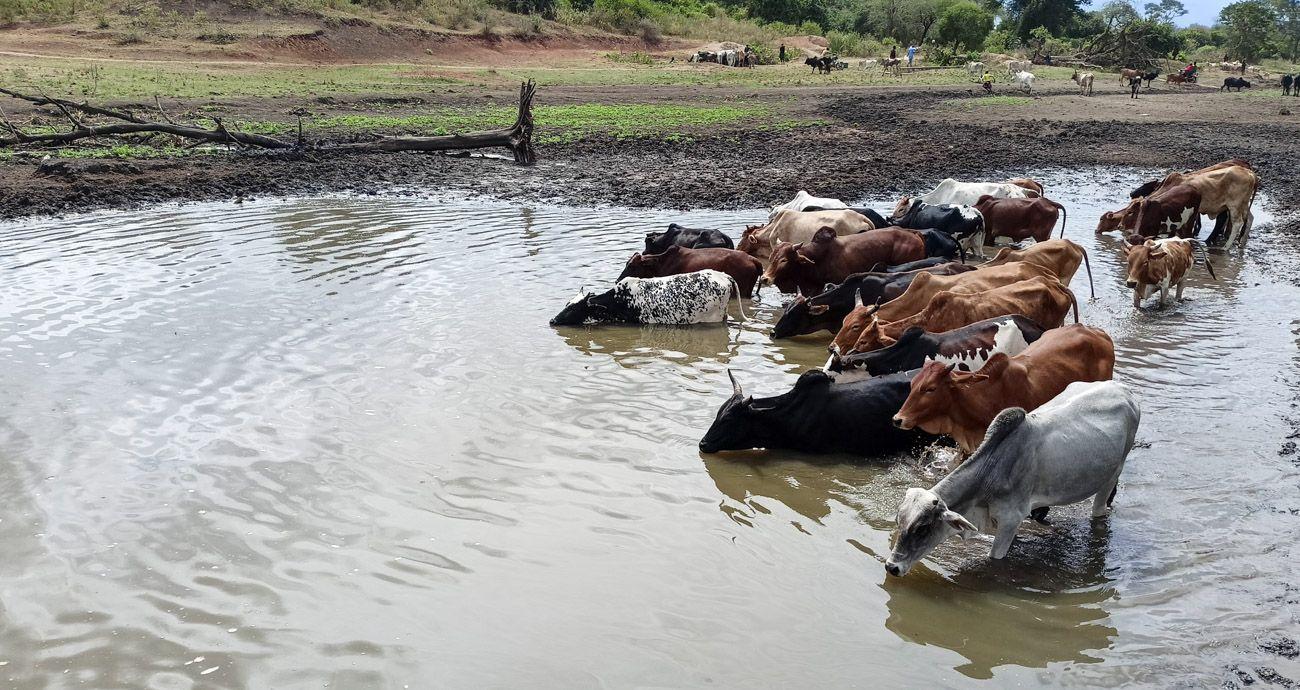
The Bondeni watering hole.
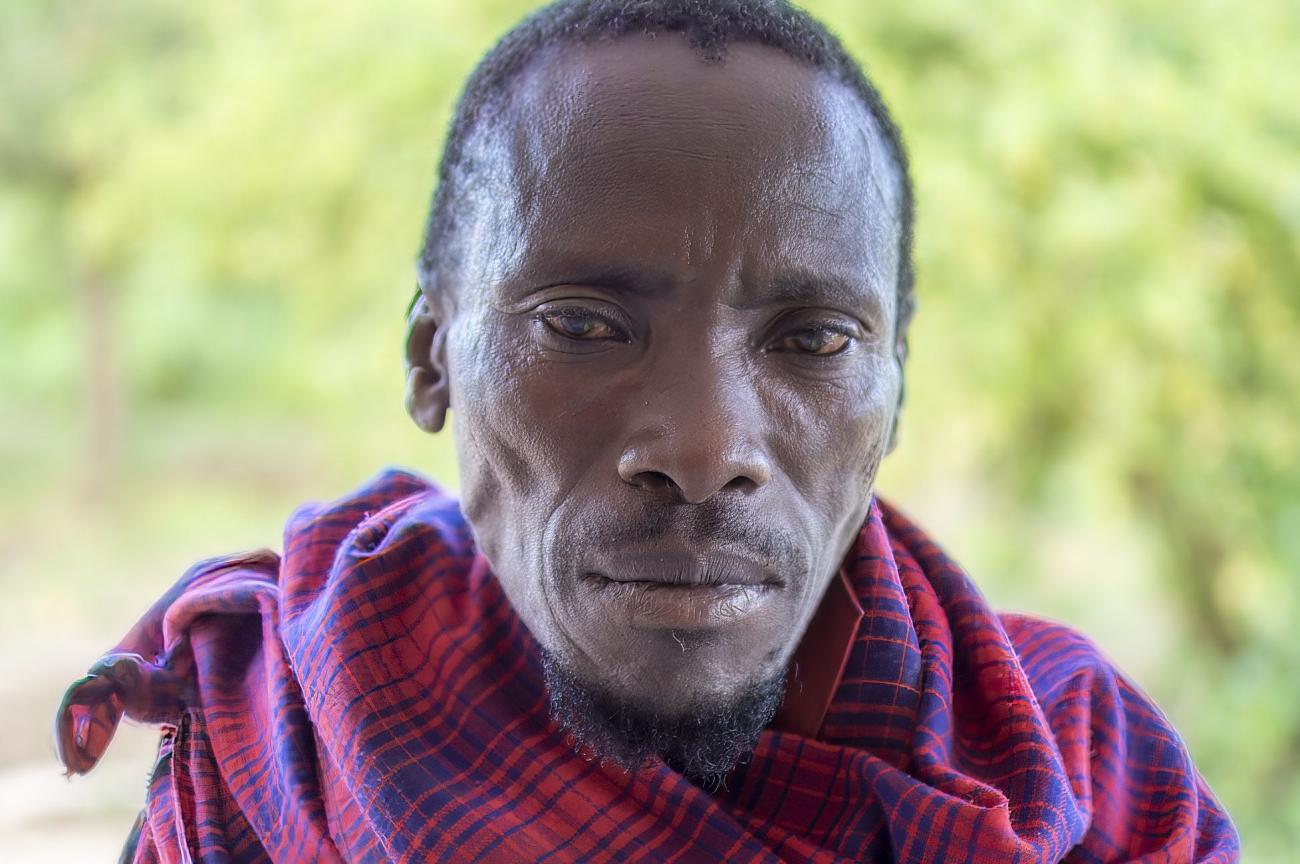
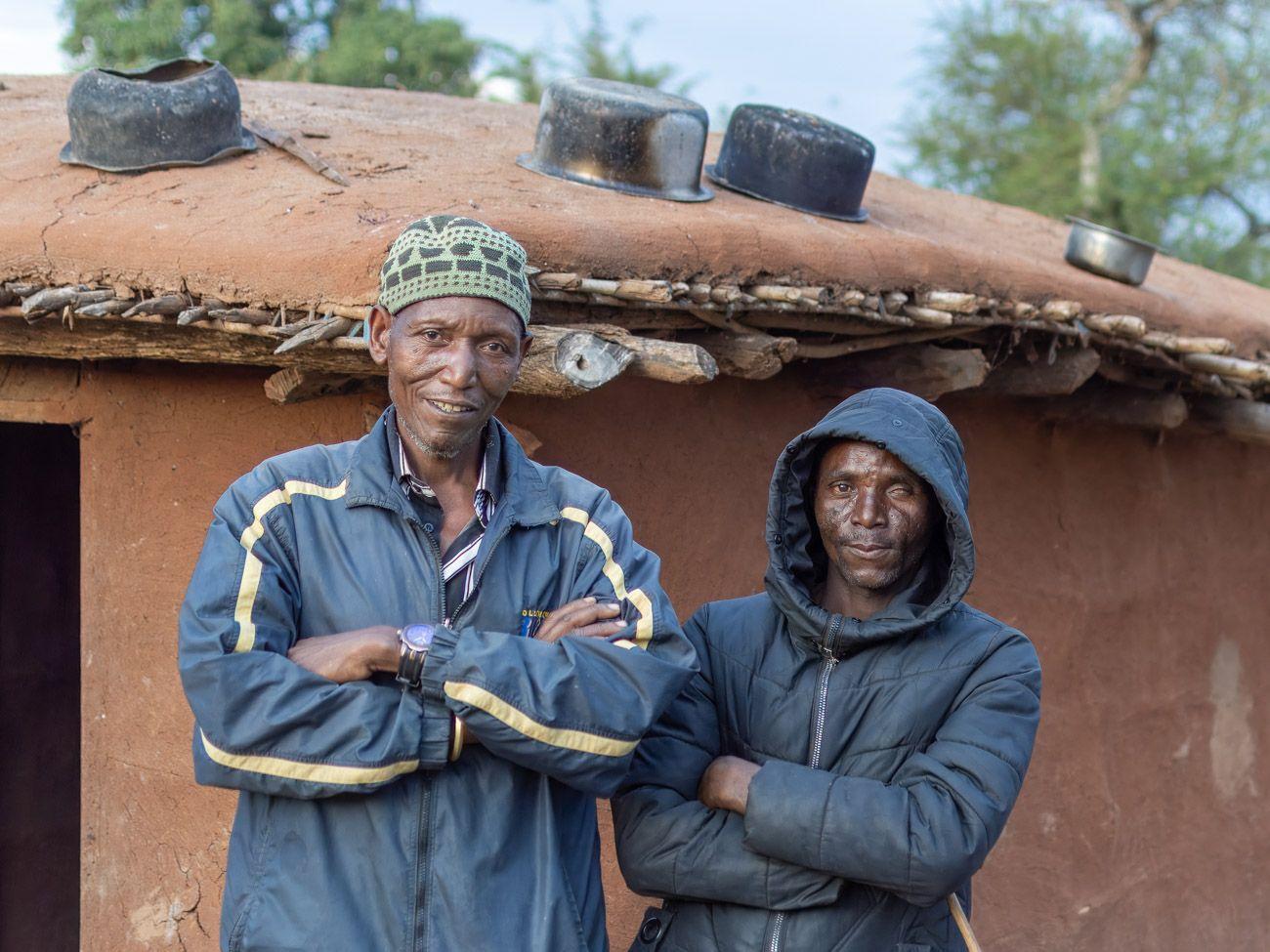
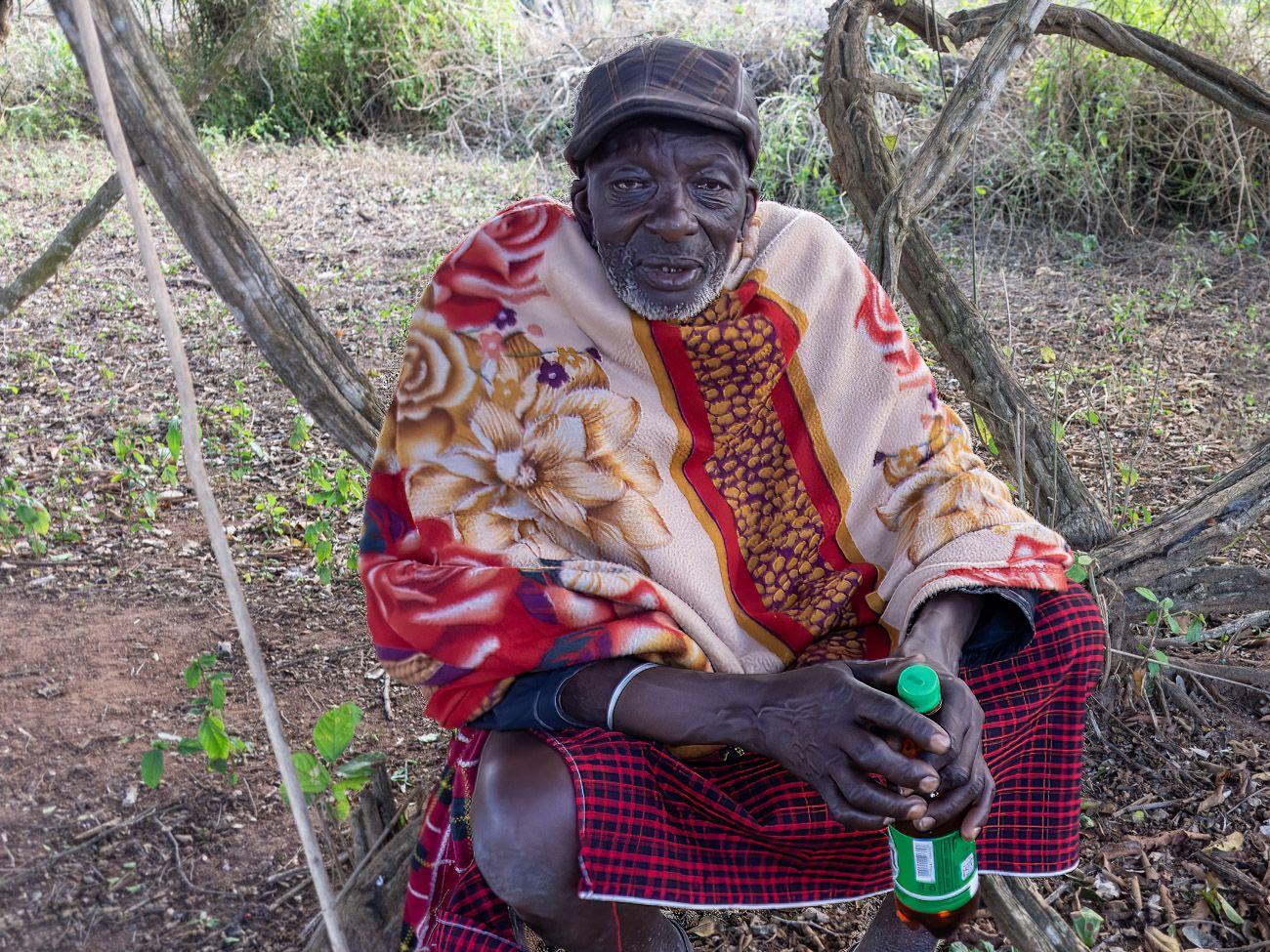
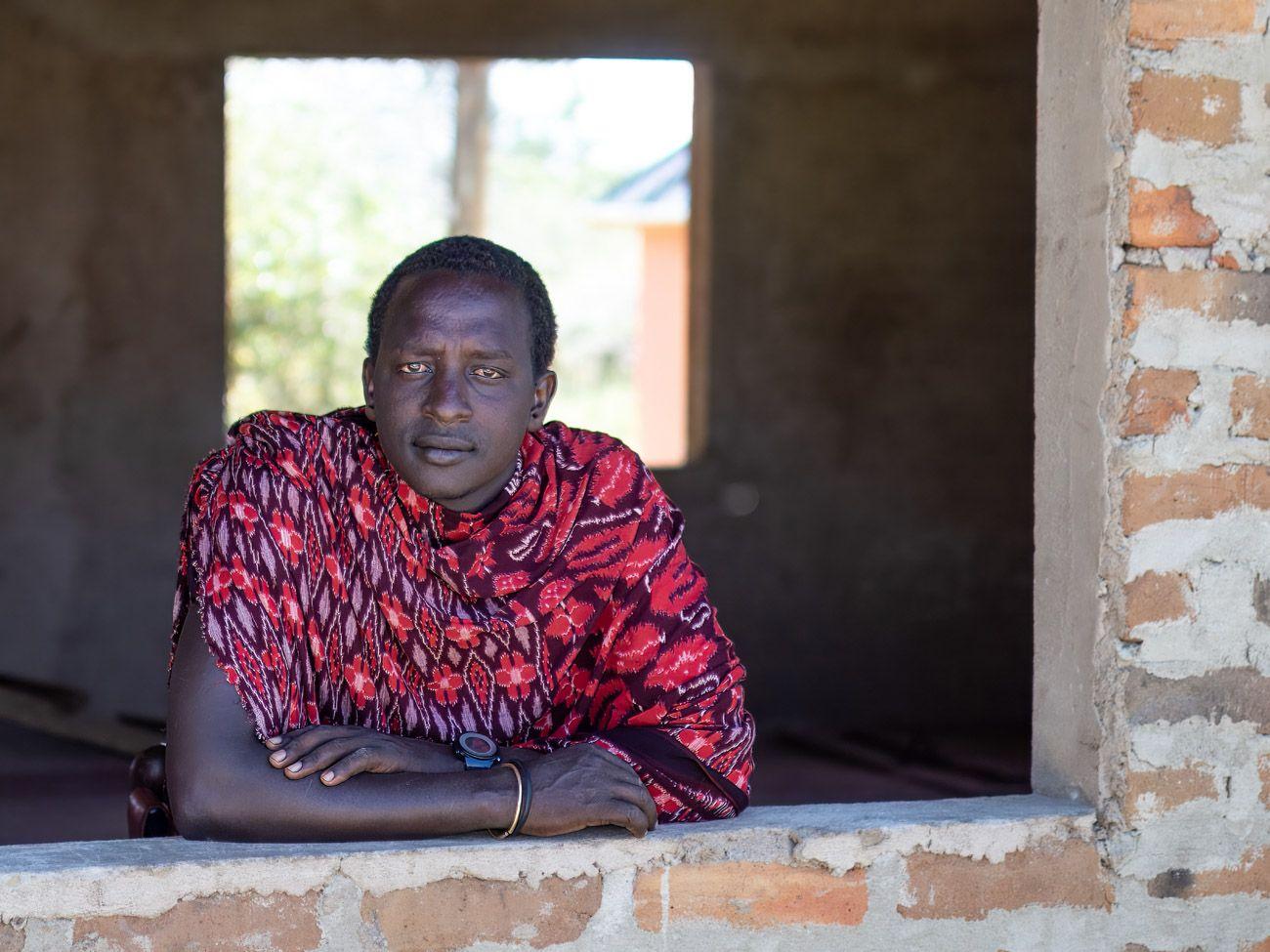
An old and a young Maasai.
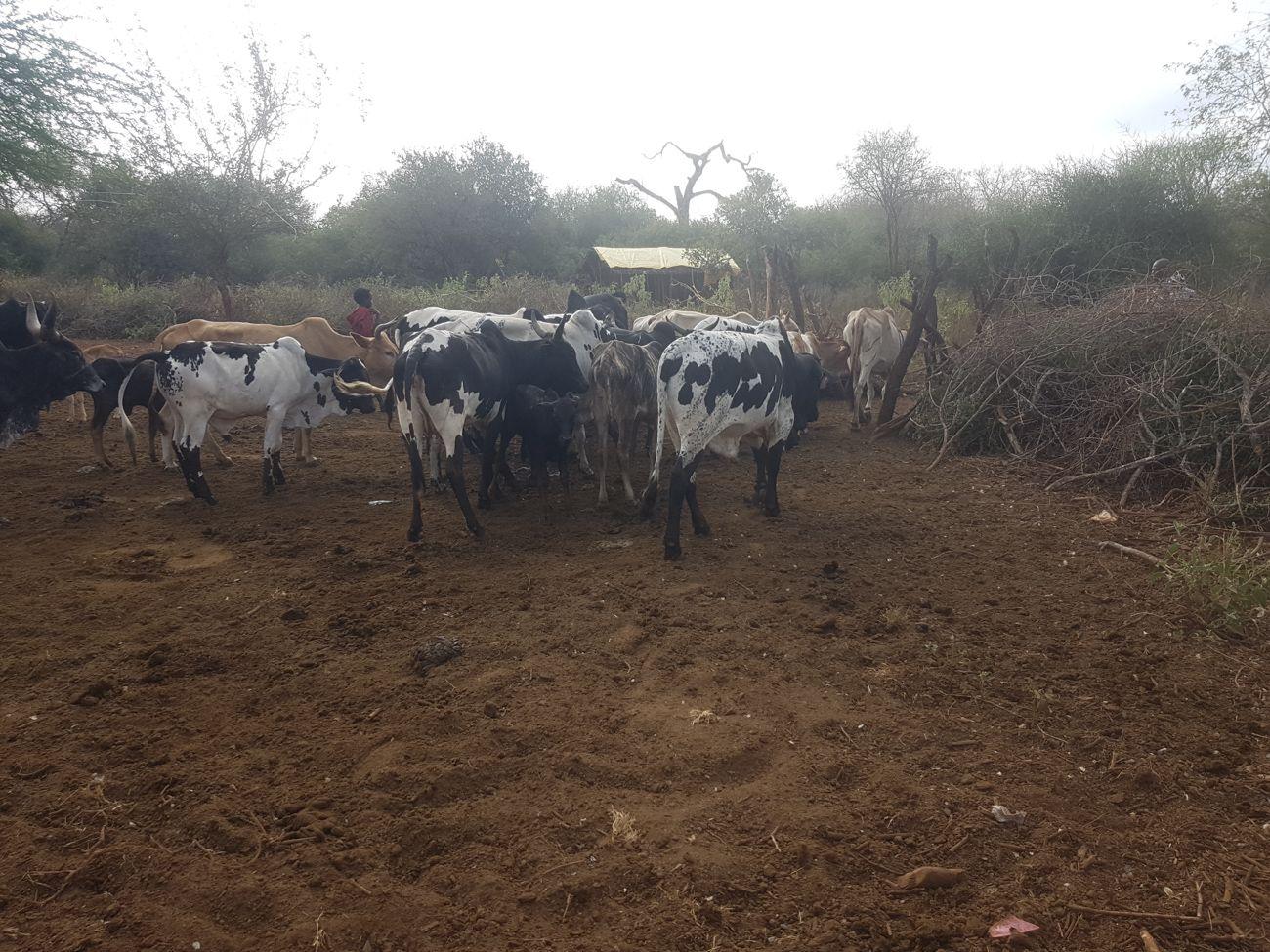
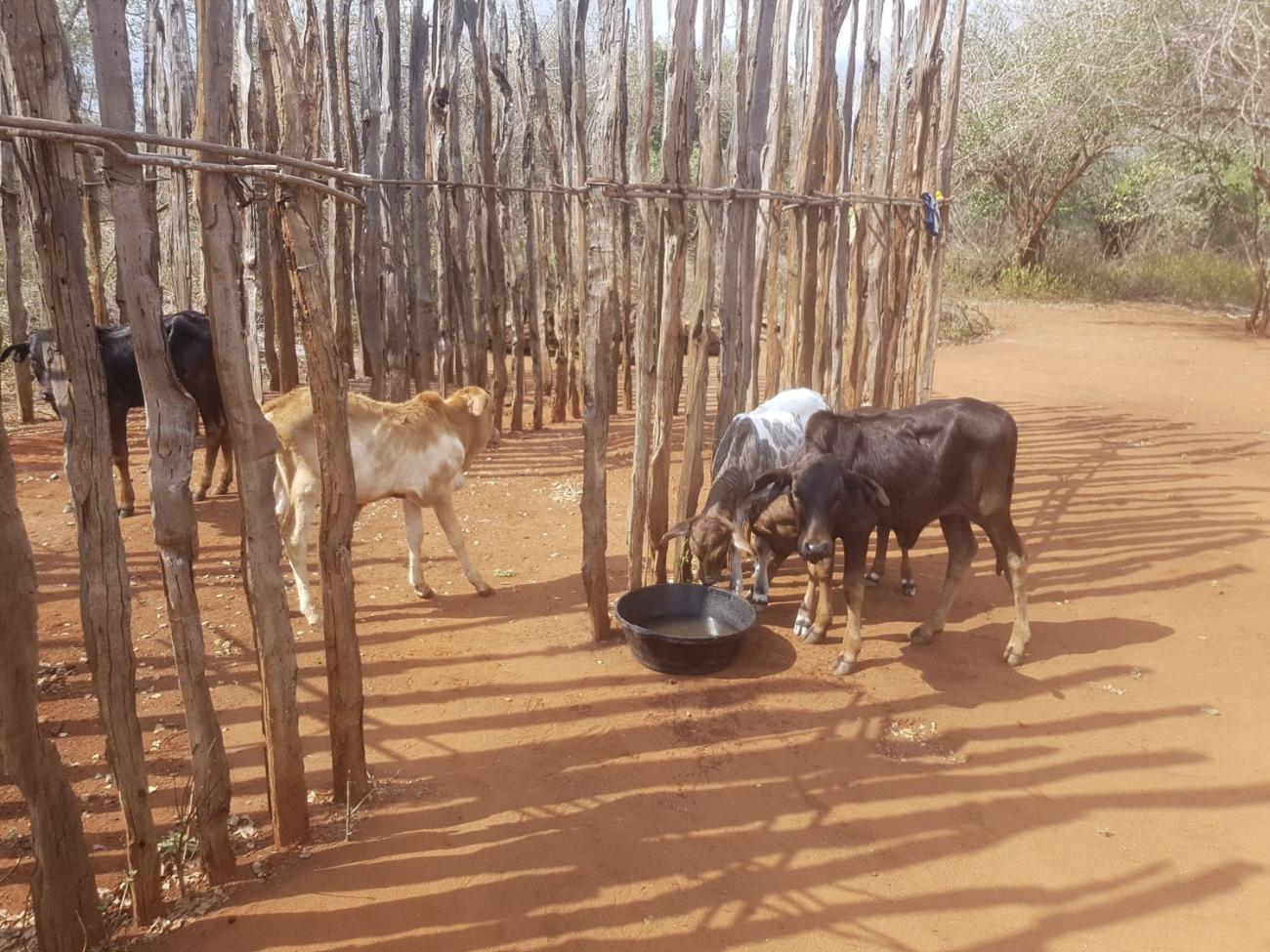
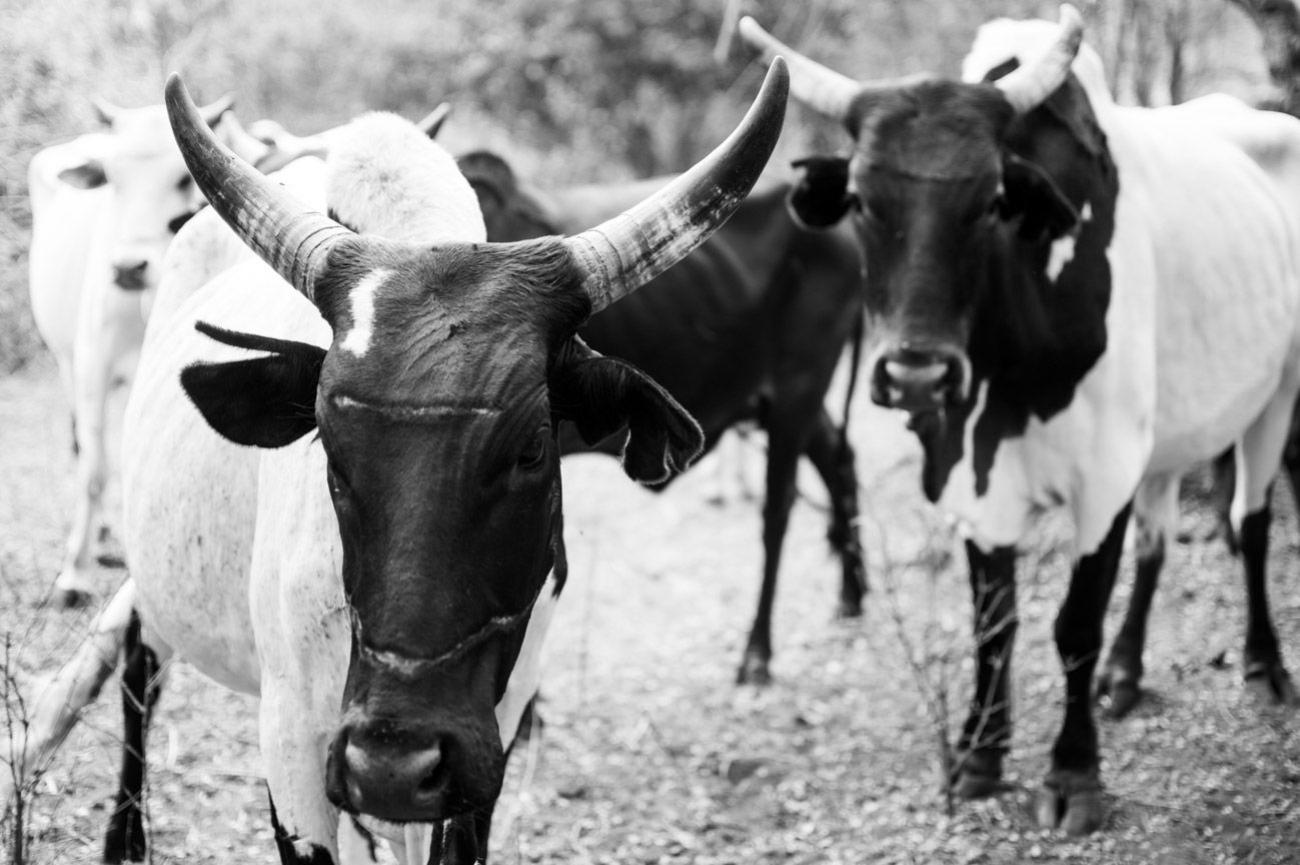
These cows wanted me to photograph them.
Share this
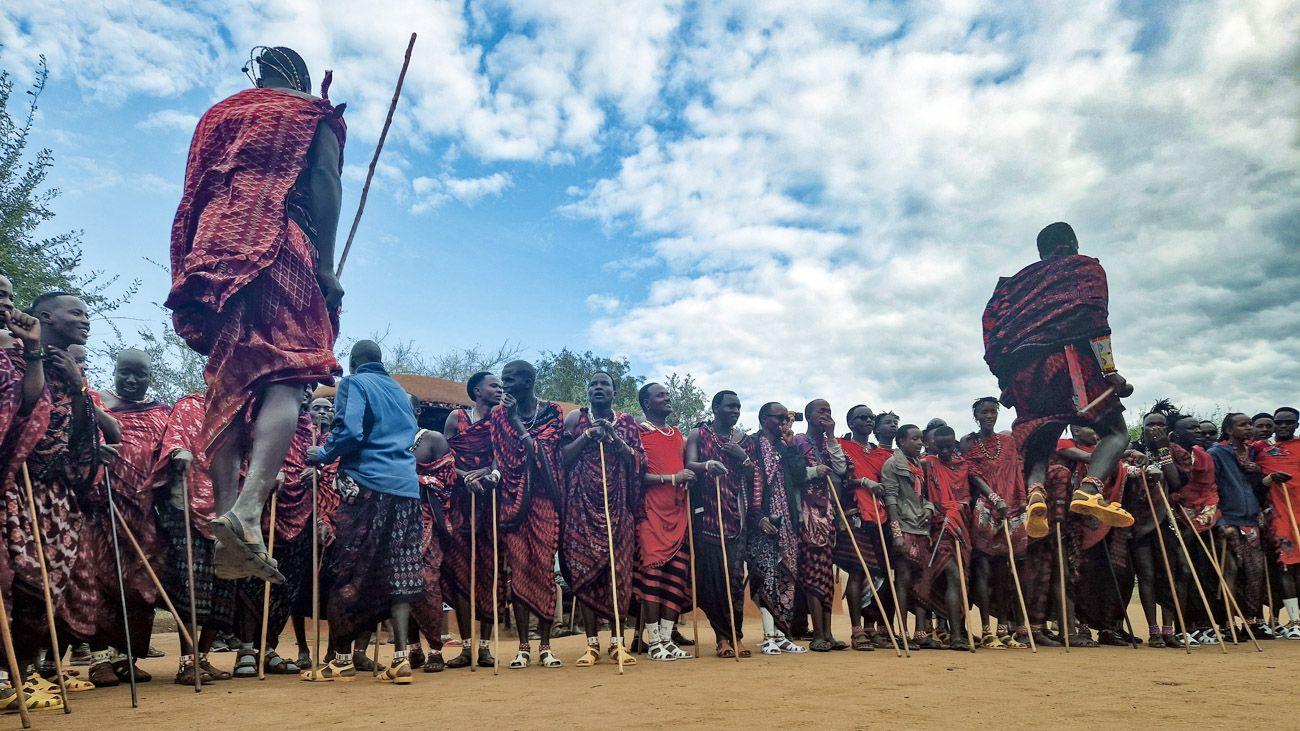
Sikuku celebration, a contest to see who can jump higher.
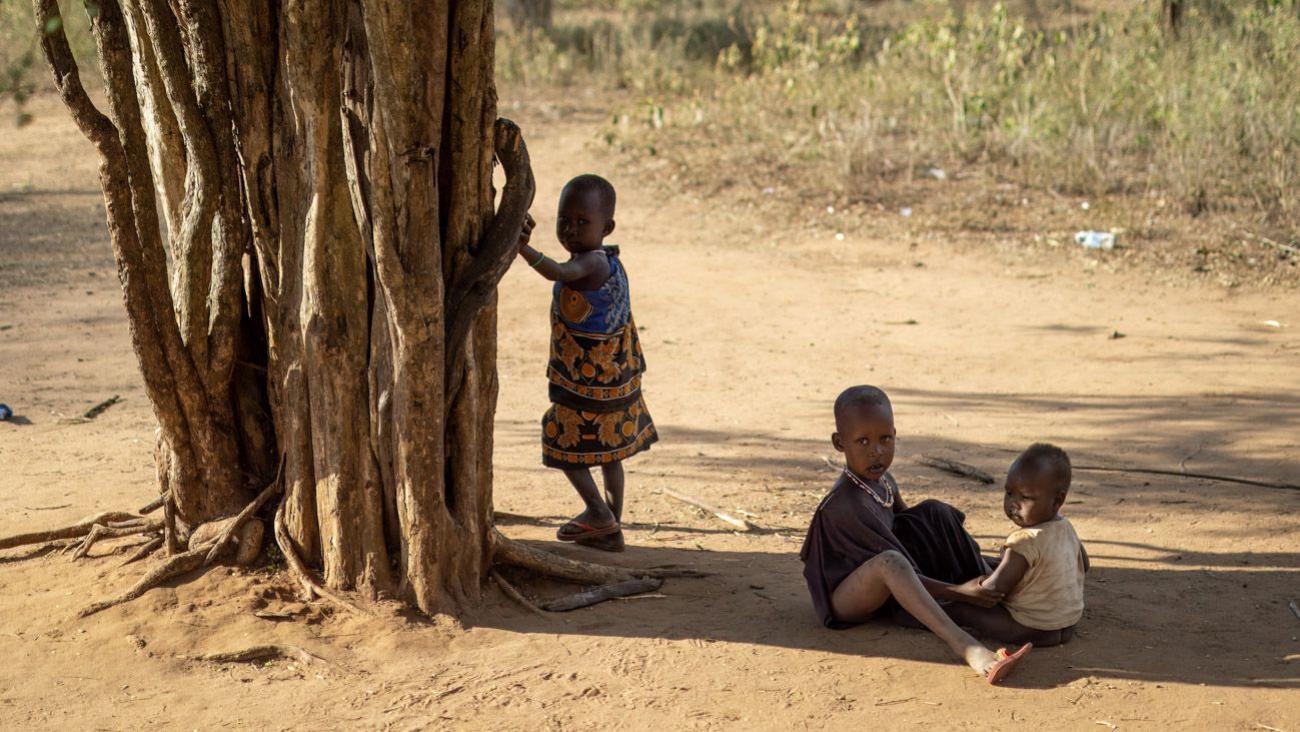
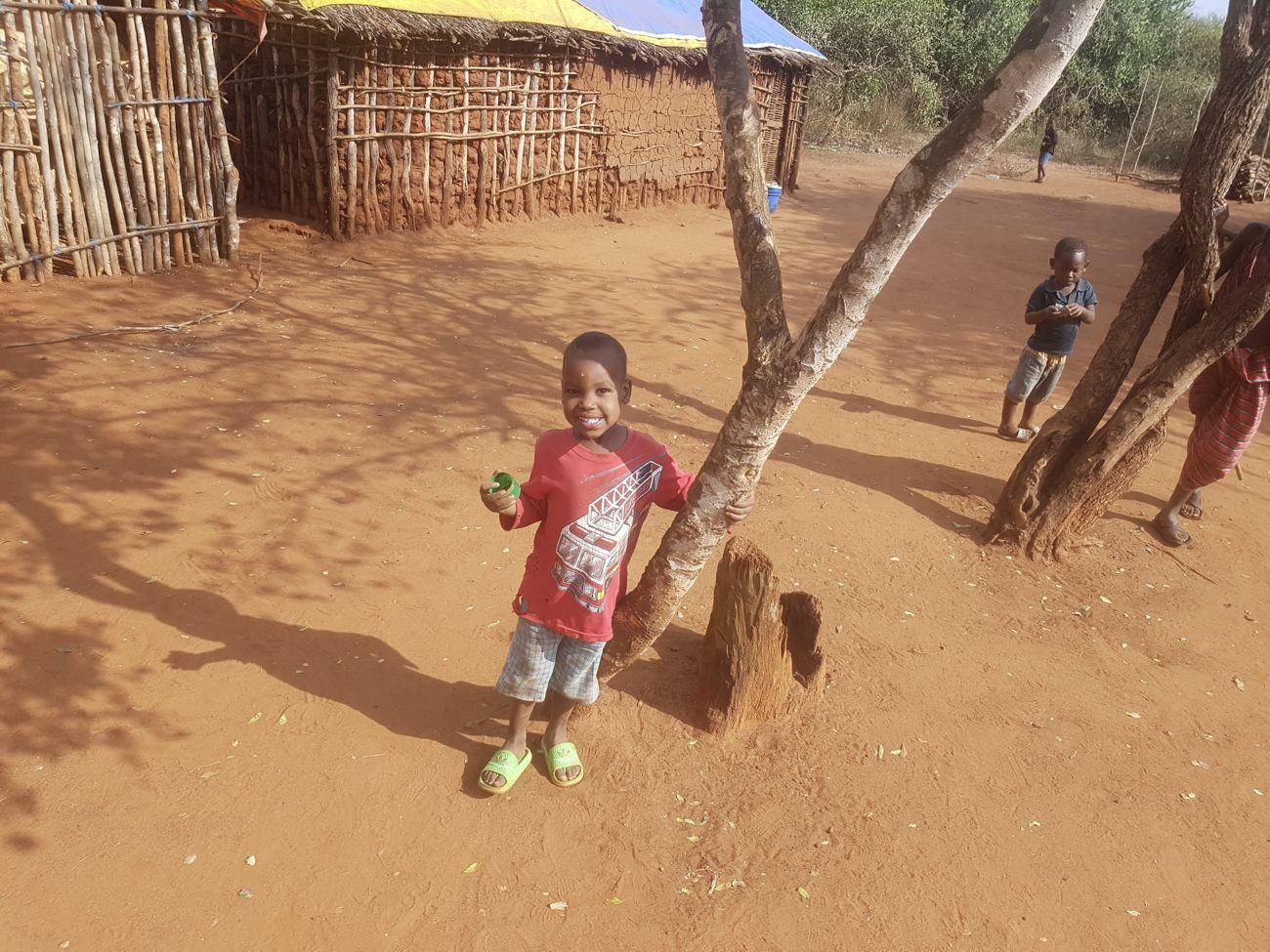
Children in the boma.
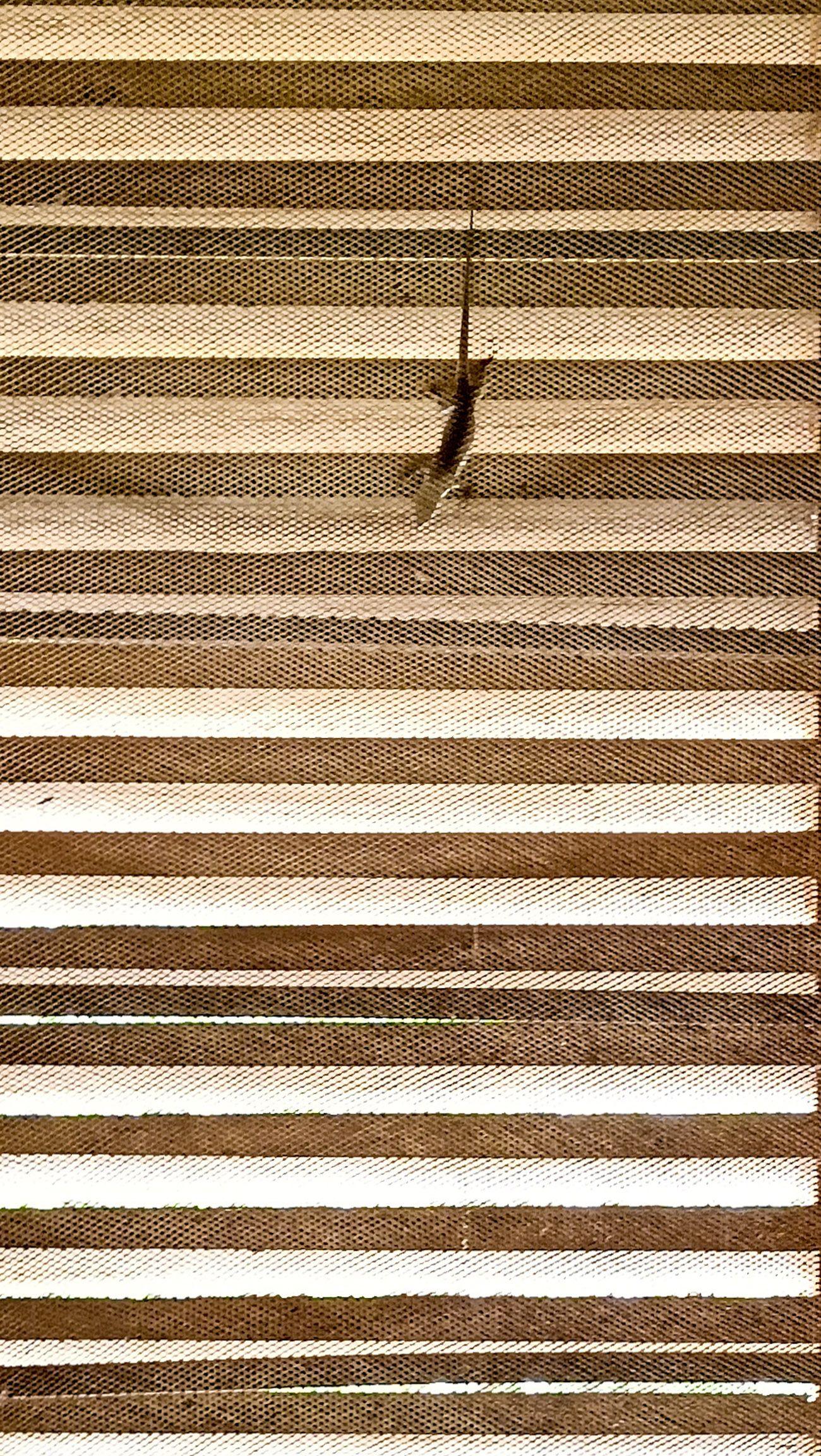
A gecko on the window.
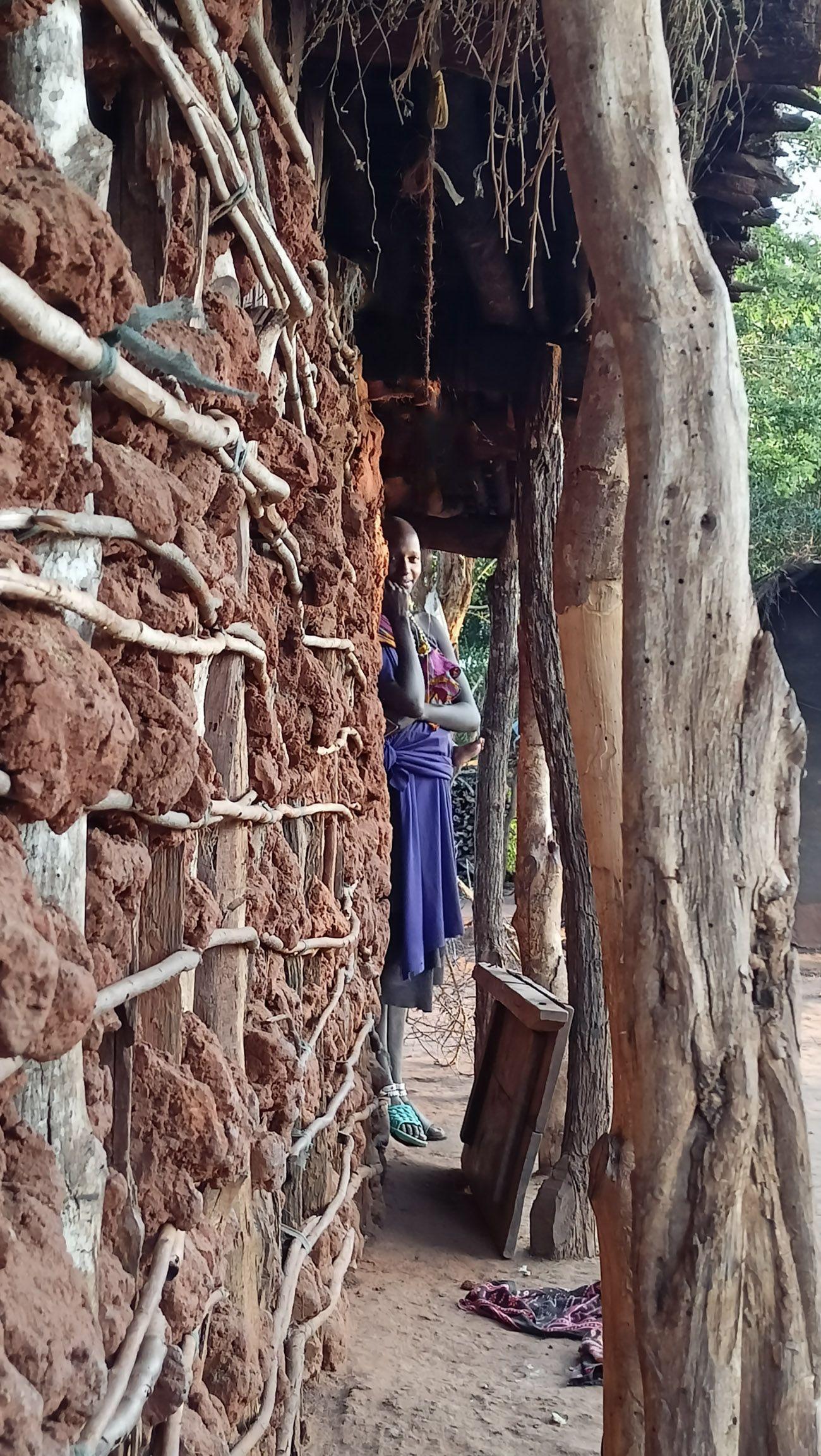
A woman inside a house in the boma.
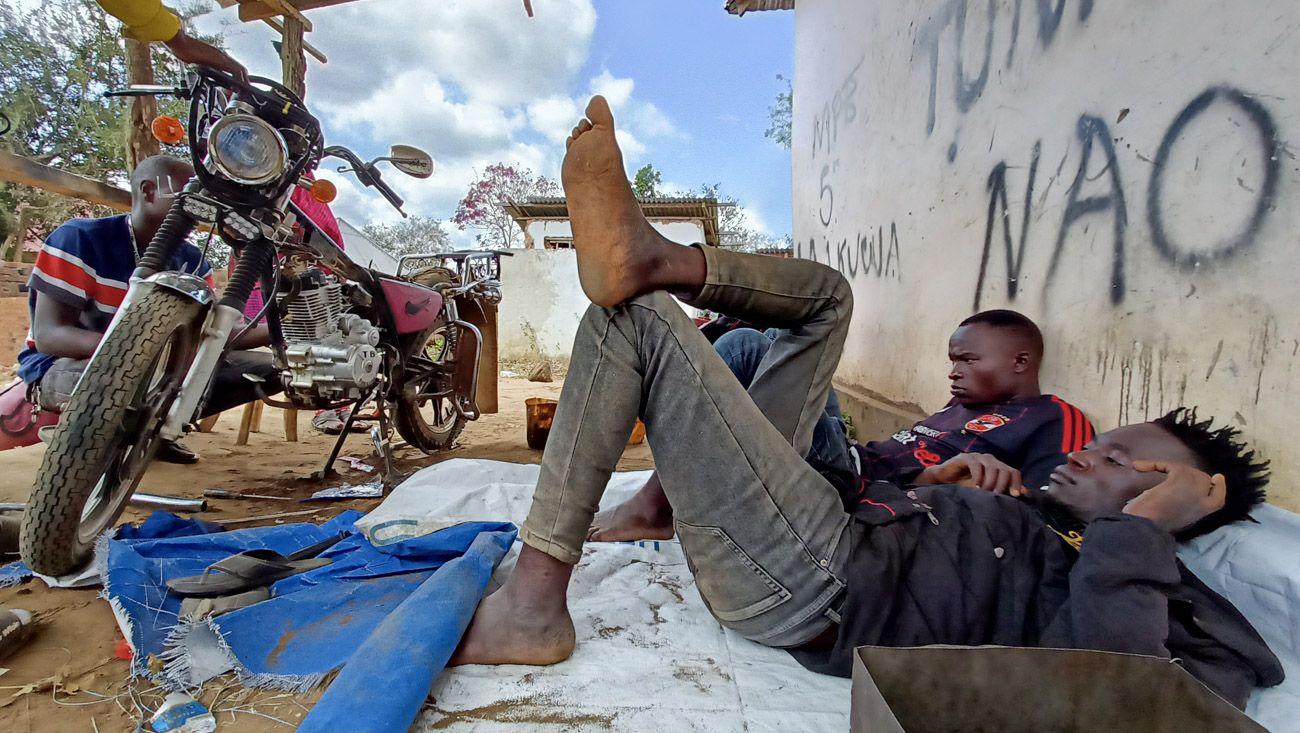
Helpers in a motorcycle repair shop.
The last remnants of water at the Bondeni watering hole.
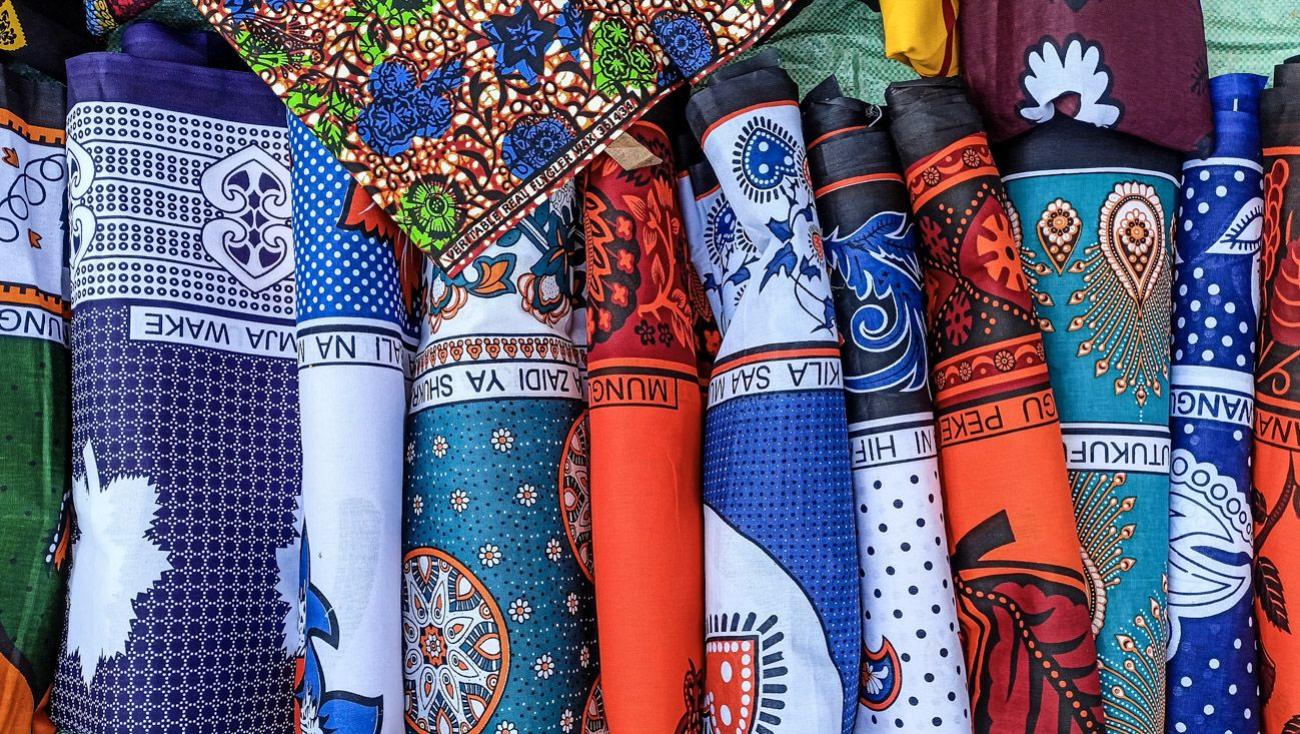
Africa is colorful.
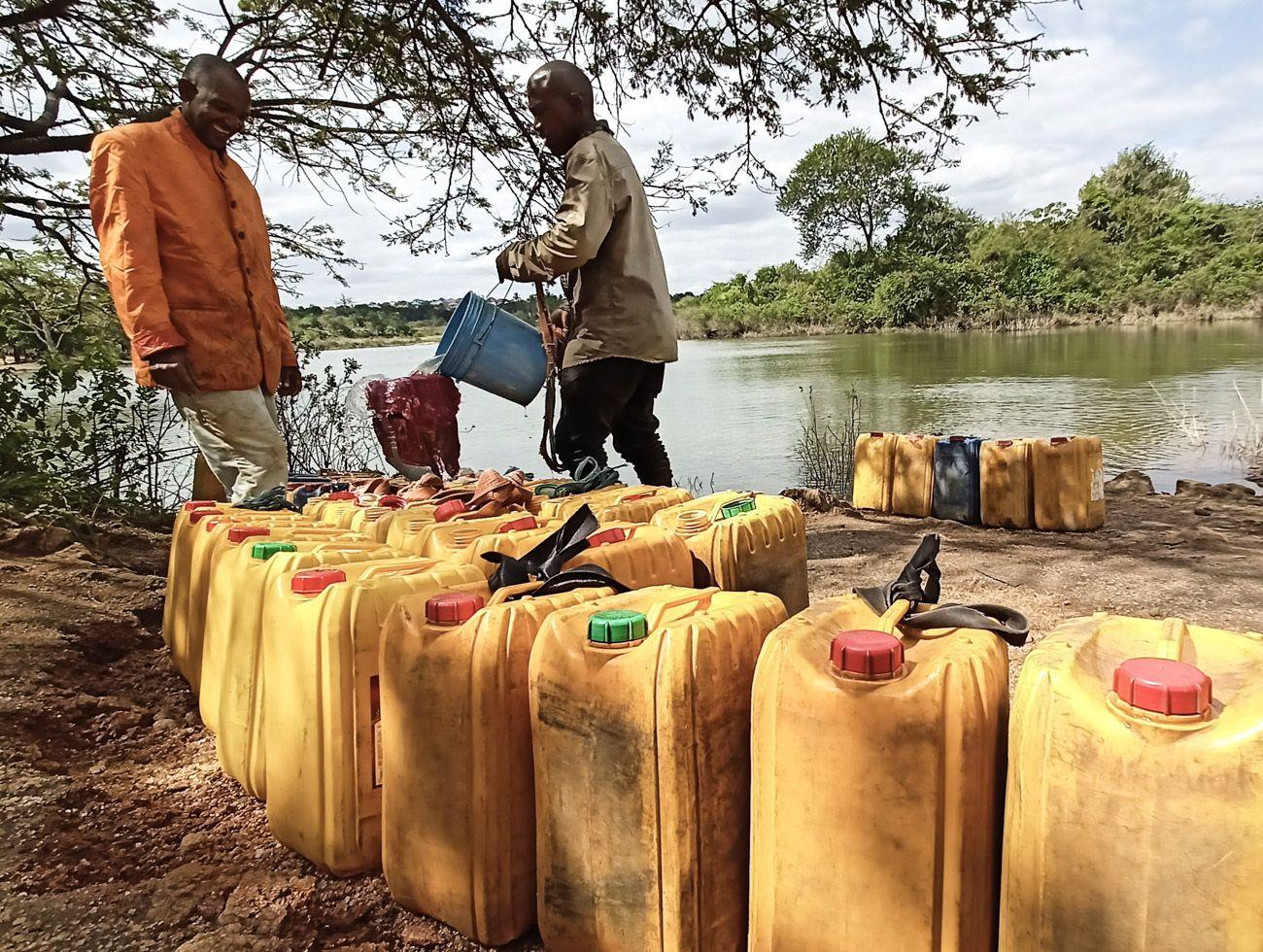
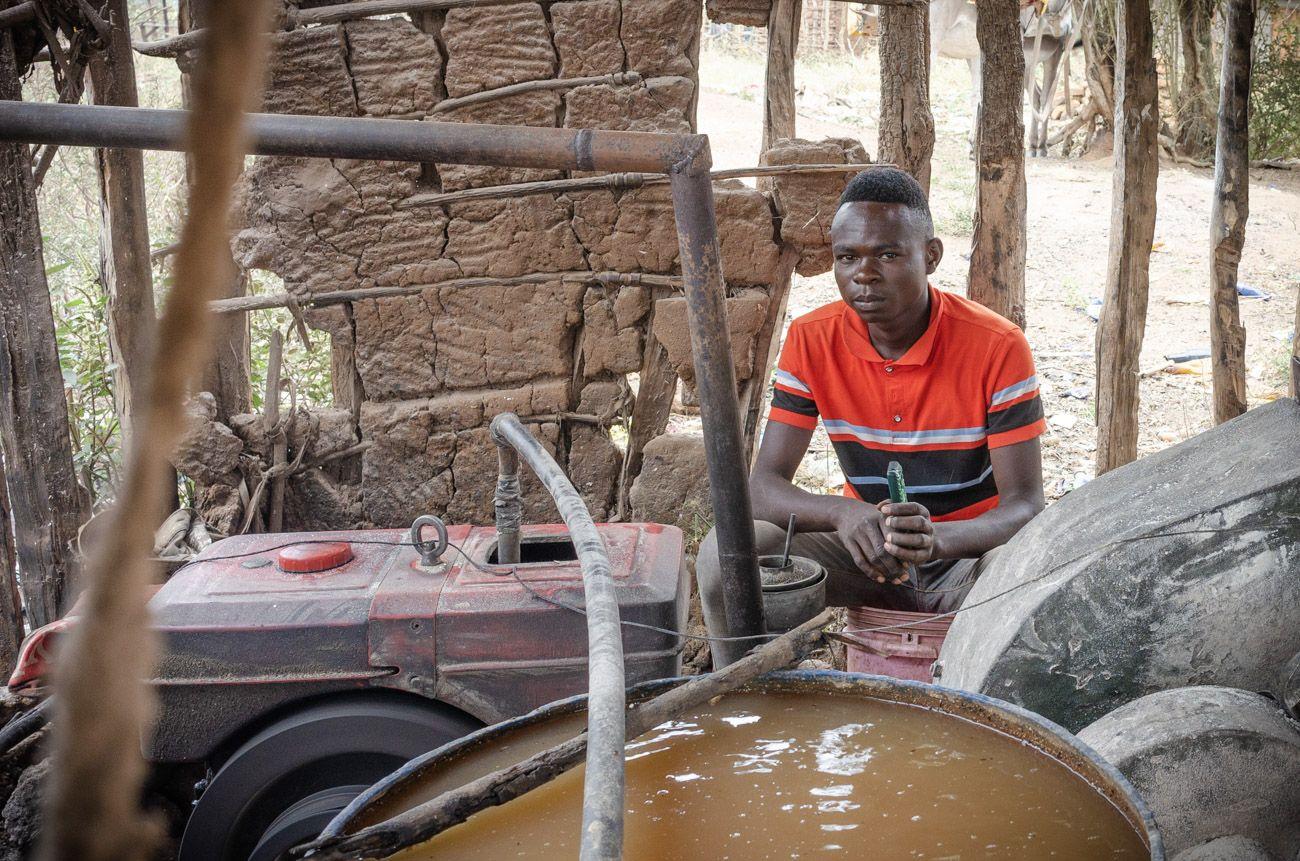
Wholesale water depot in Handeni.
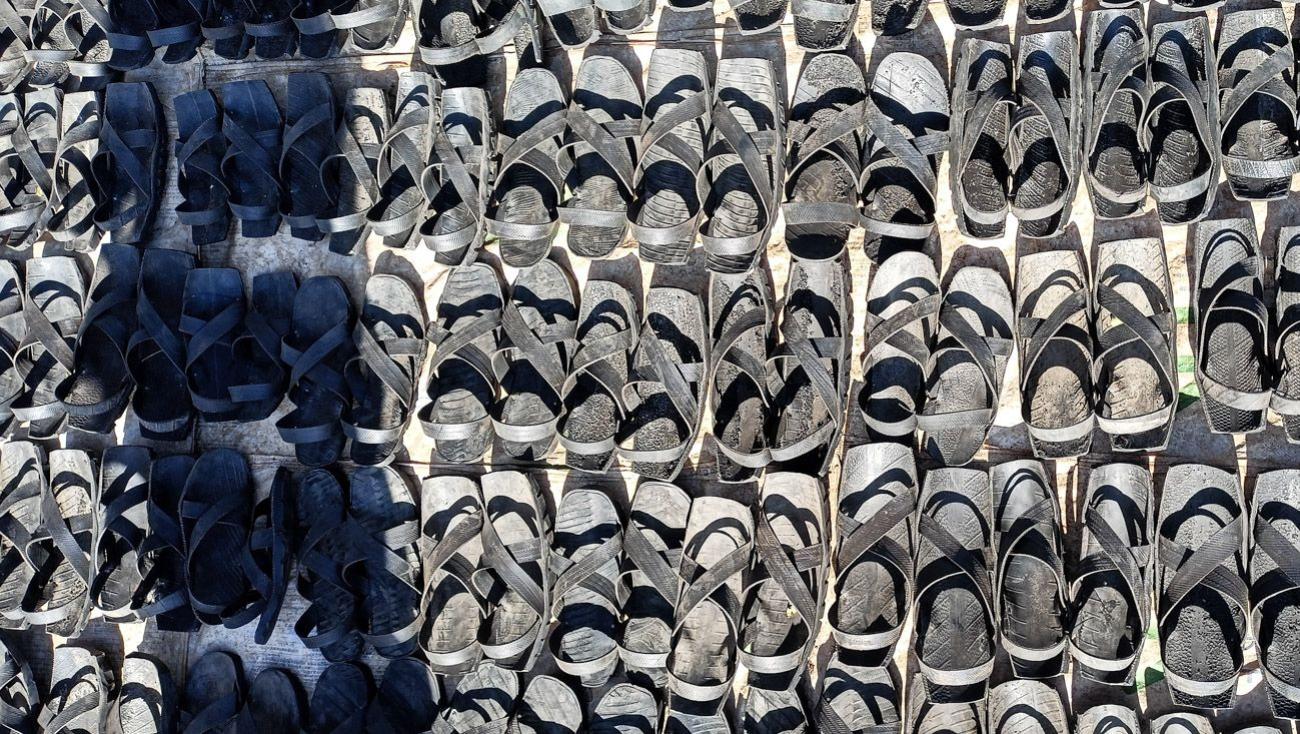
A shoe shop.
Bus station in Handeni, a boda-boda waiting for customers.
Share this
Bondeni watering hole.
Sikuku celebration, resting after a meal.
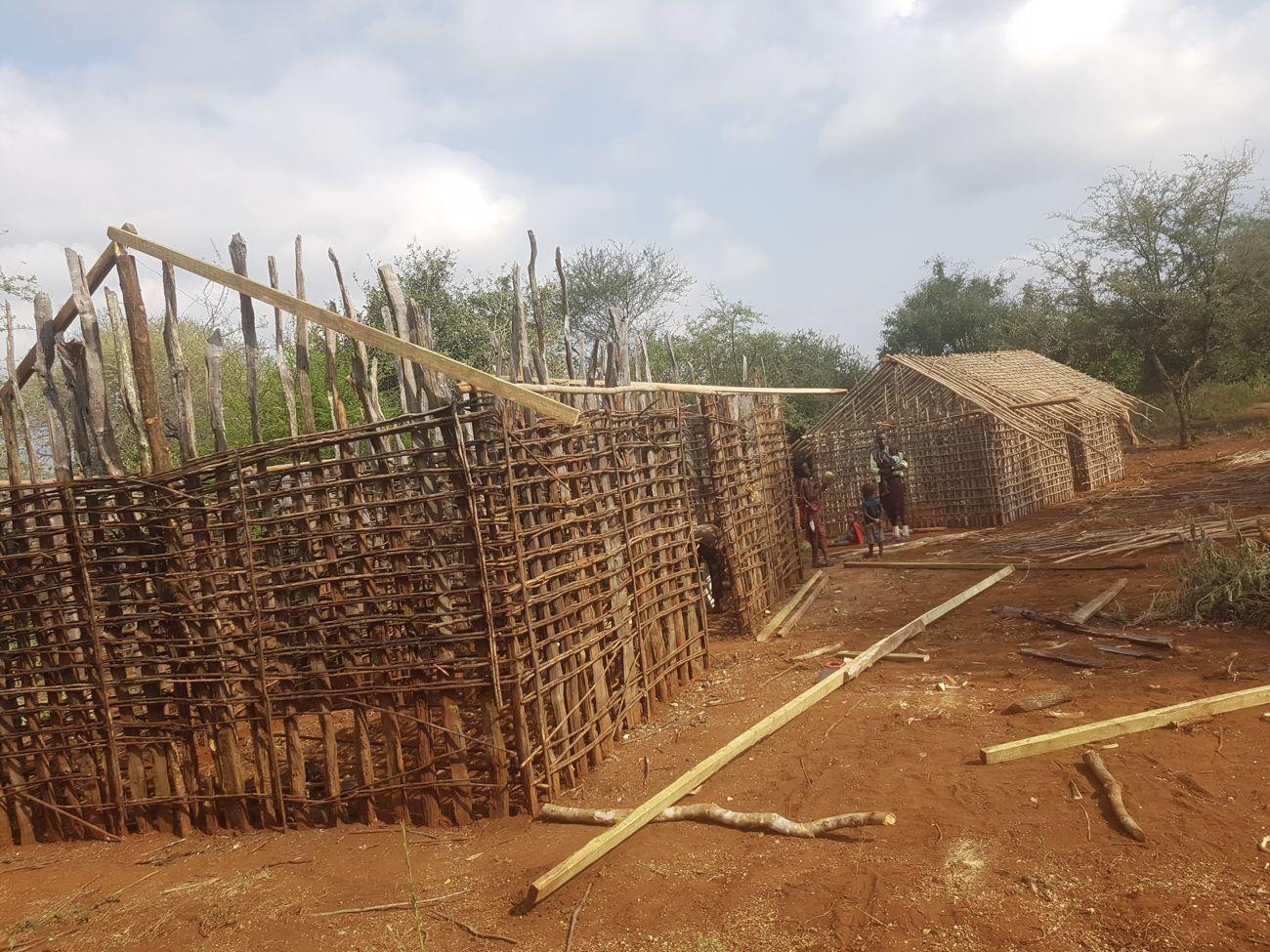
Boma at sunset.
The miller in the village of Ndukaj during market day.
Merege.
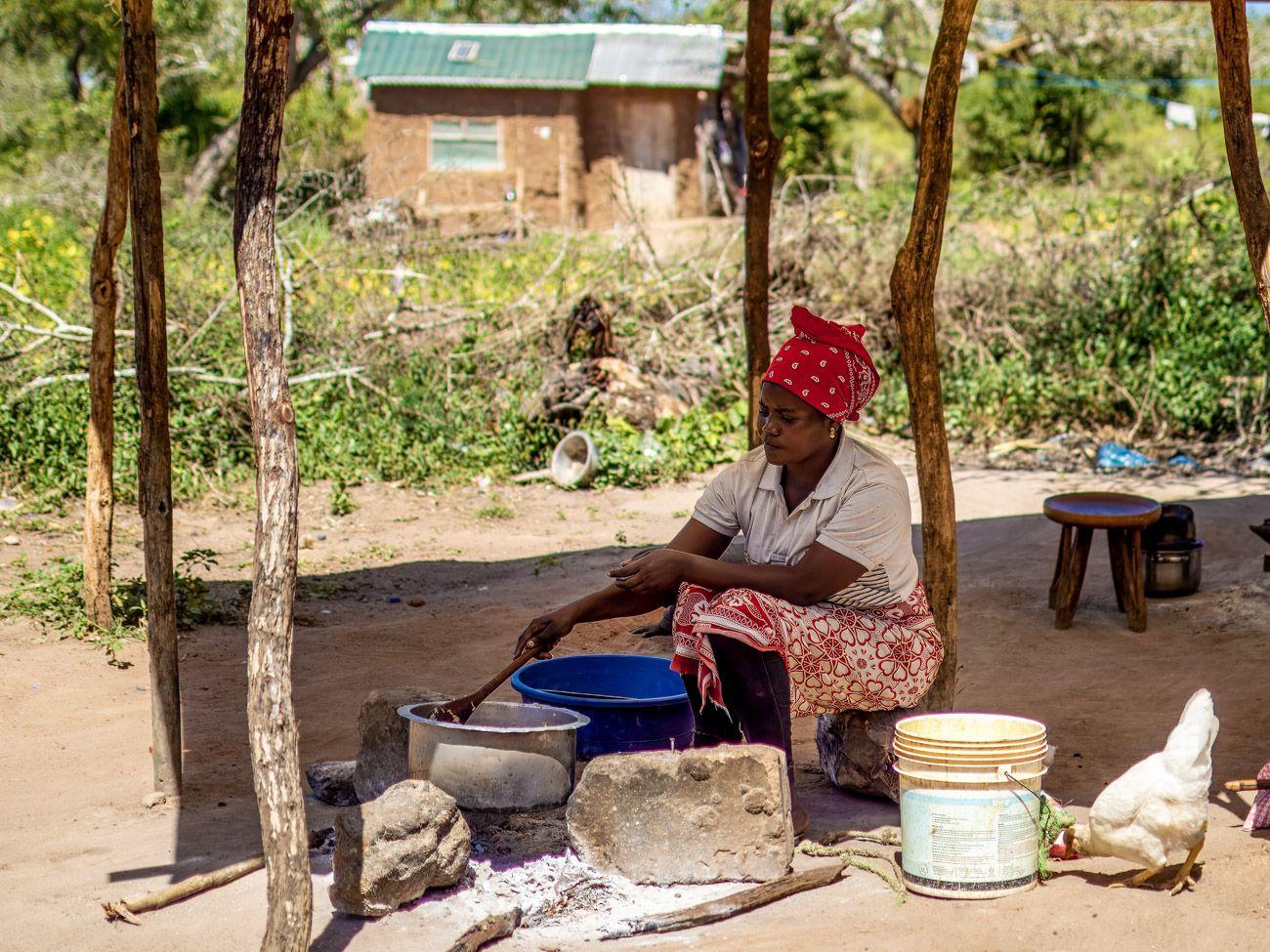
Kitchen by the restaurant, Ali’s house in the background.
Nderema, livestock market.
Bondeni watering hole.
Children in the boma
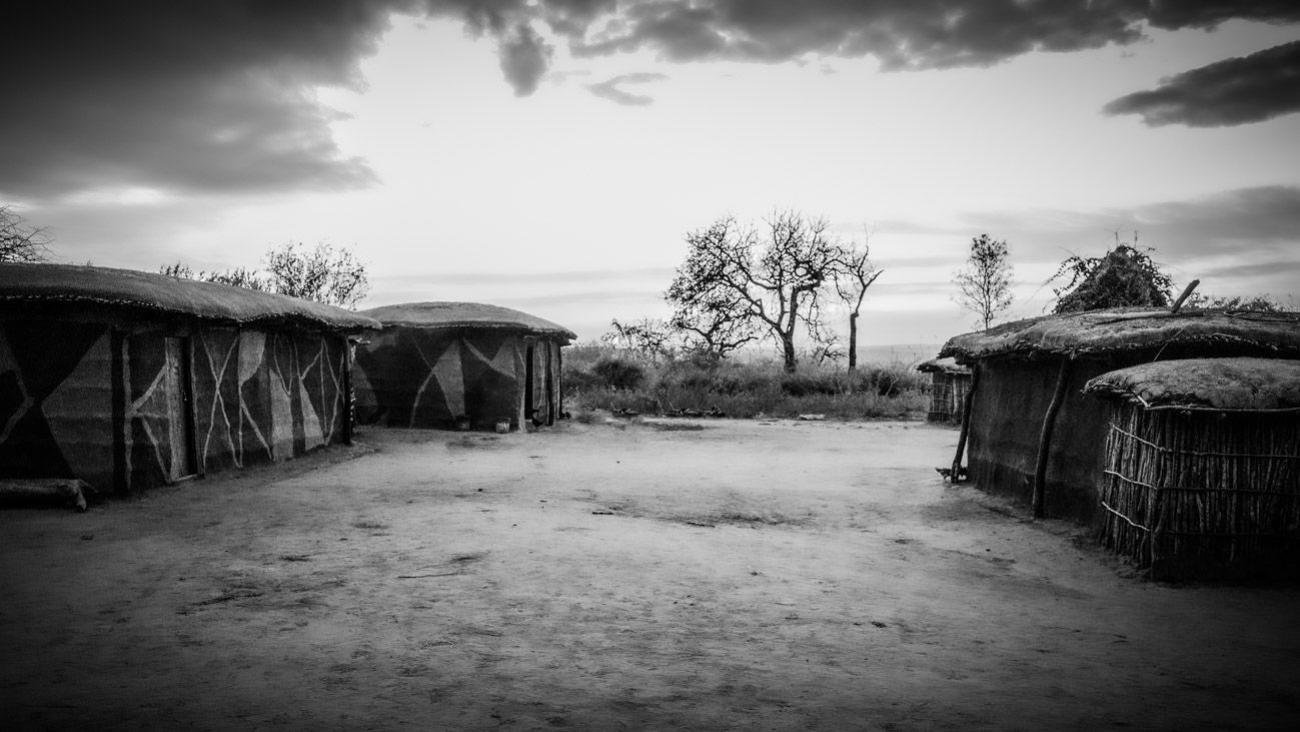
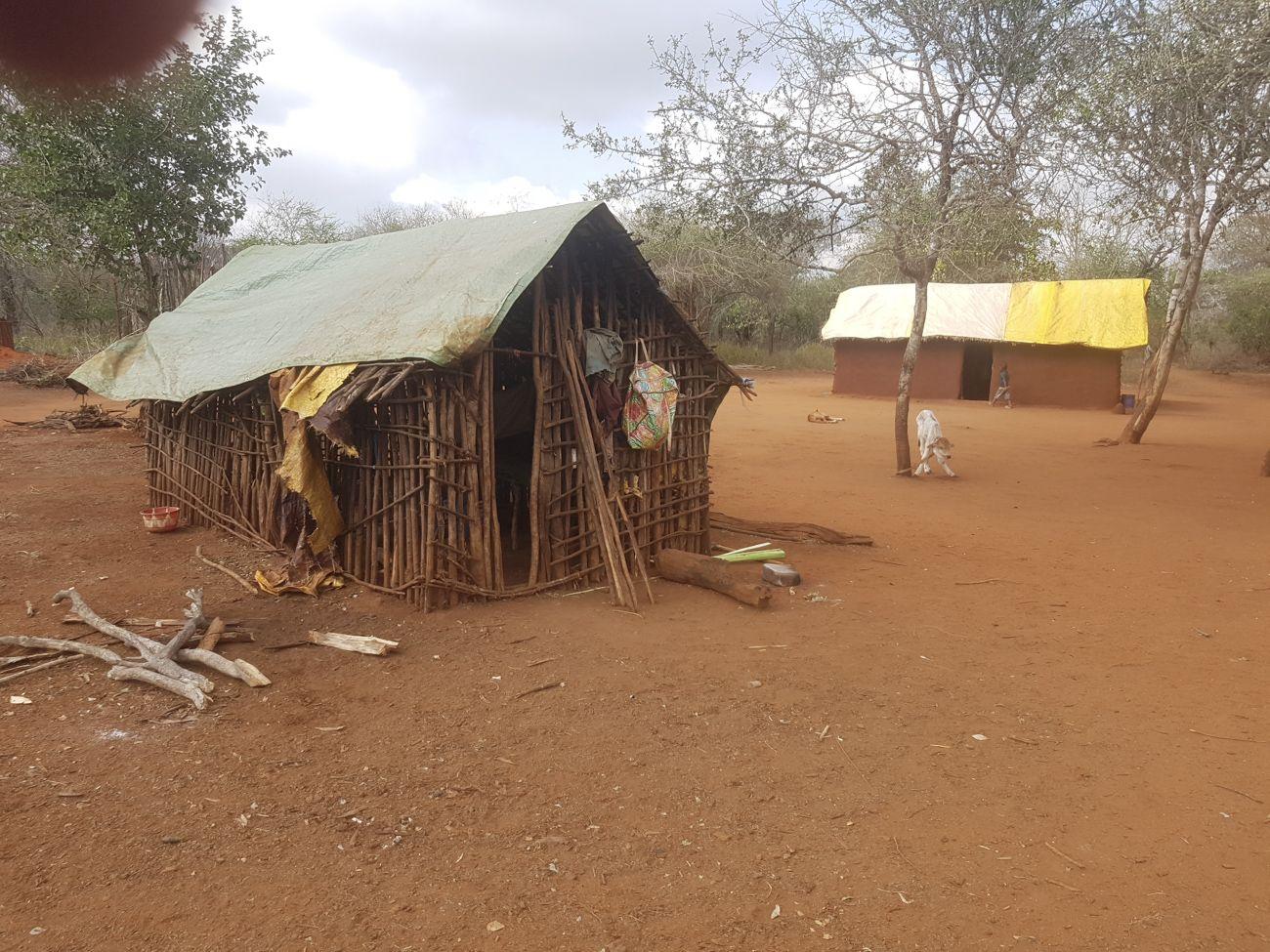
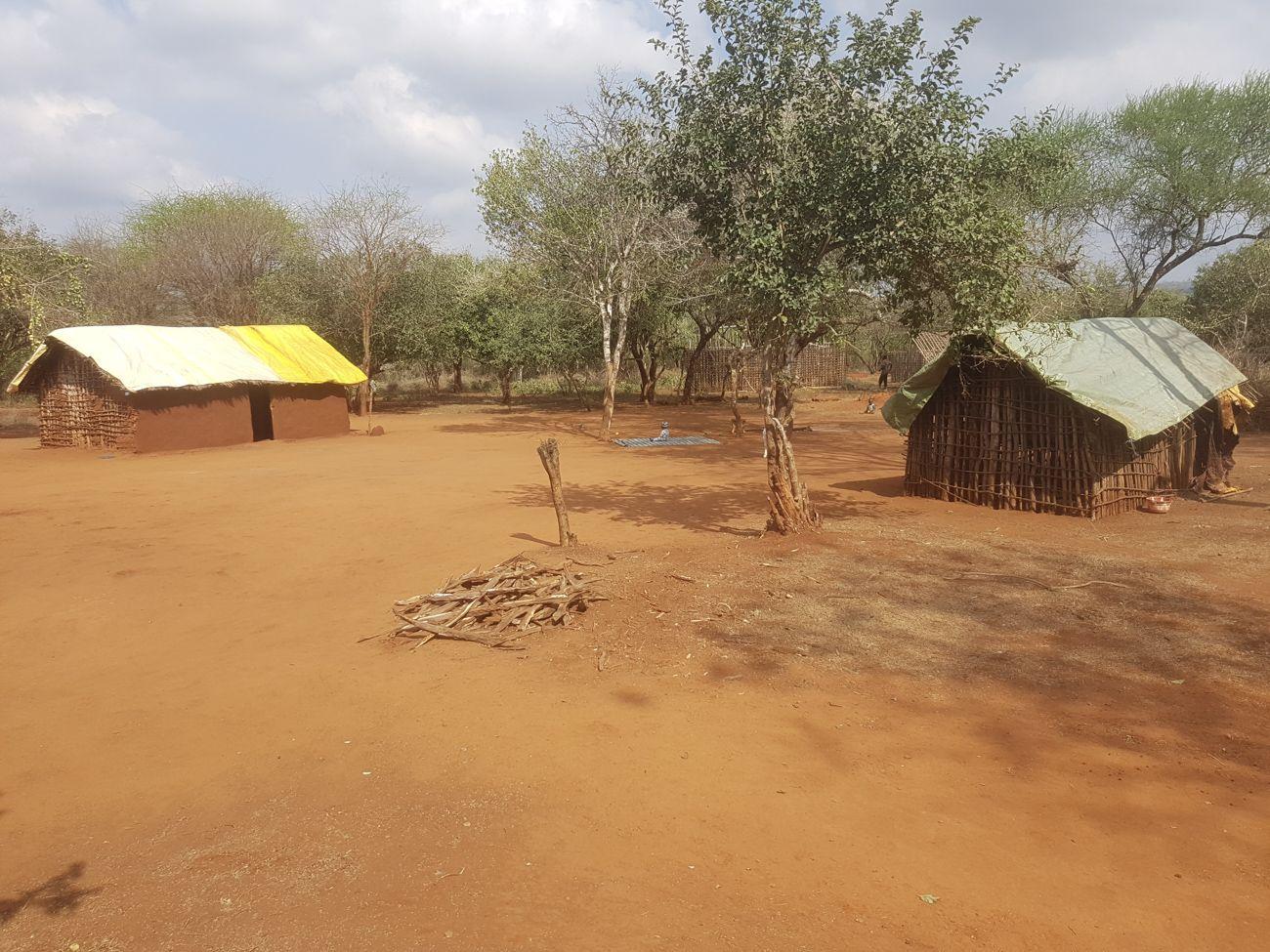
Boma.
Share this

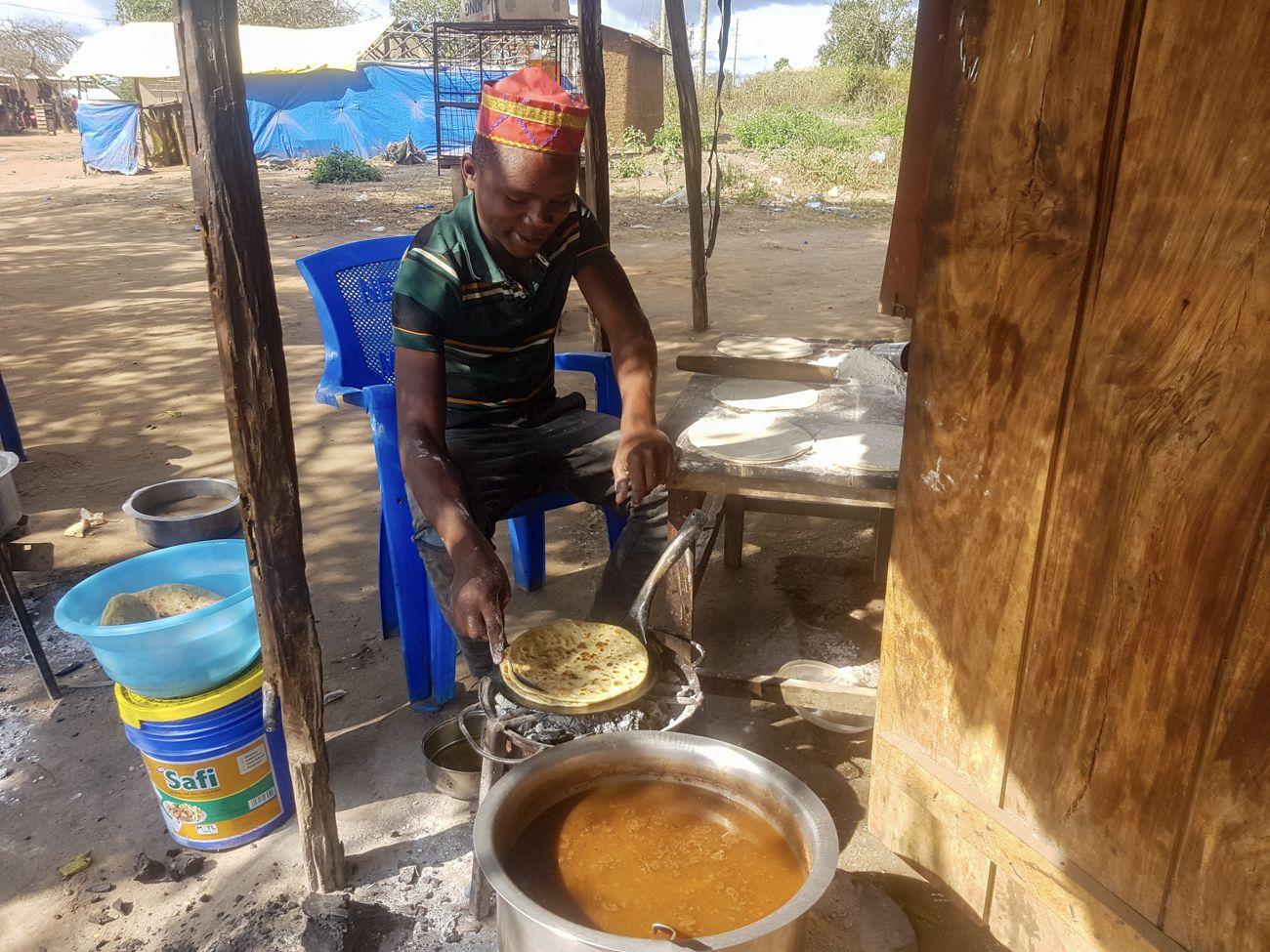
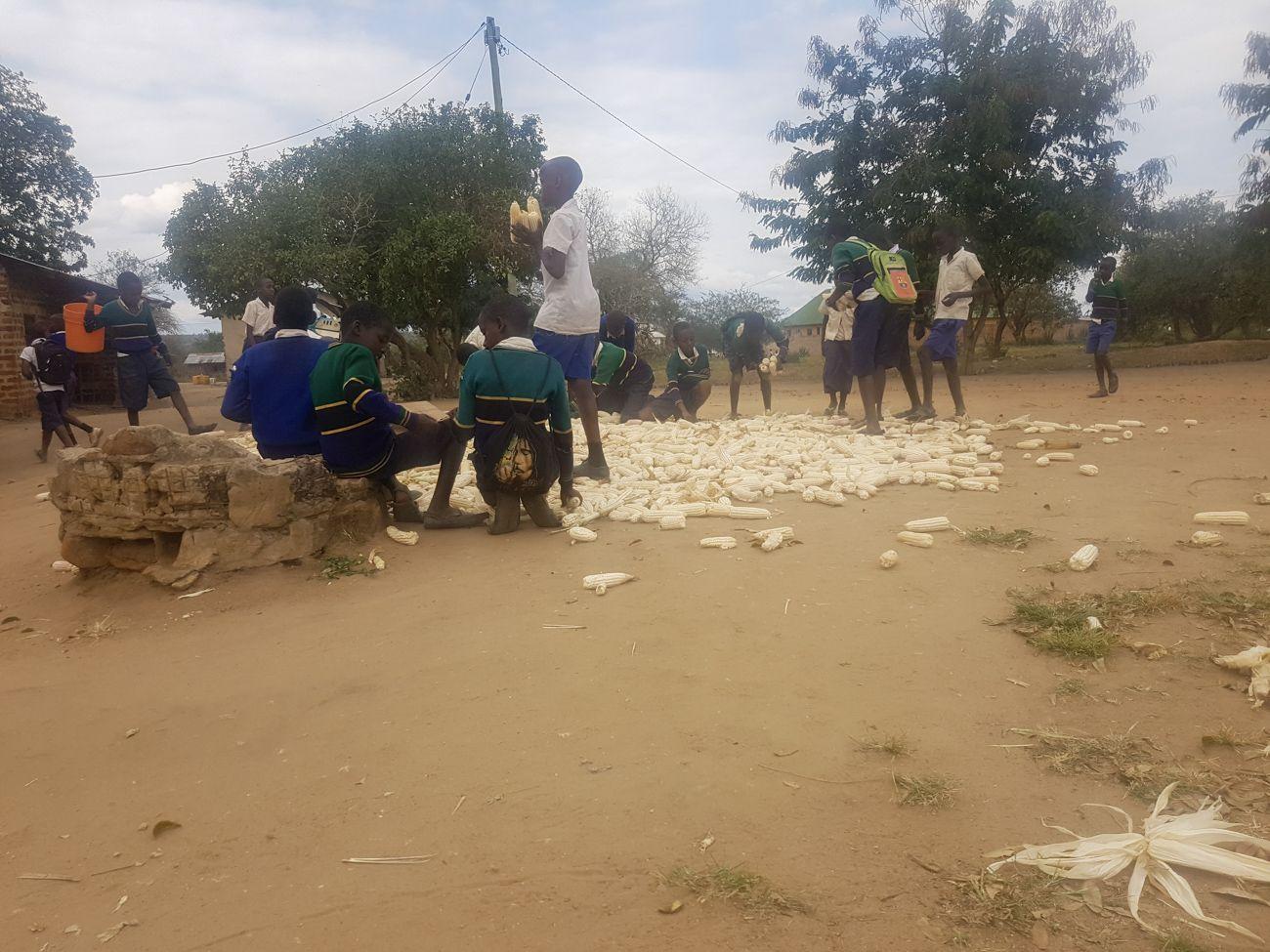
I met the teacher Msabaha only a few times, but everyone recommended him as the kind of person with a very low risk of not returning my phone. So I lent it to him to photograph his life. Or at least whatever he felt like showing people.
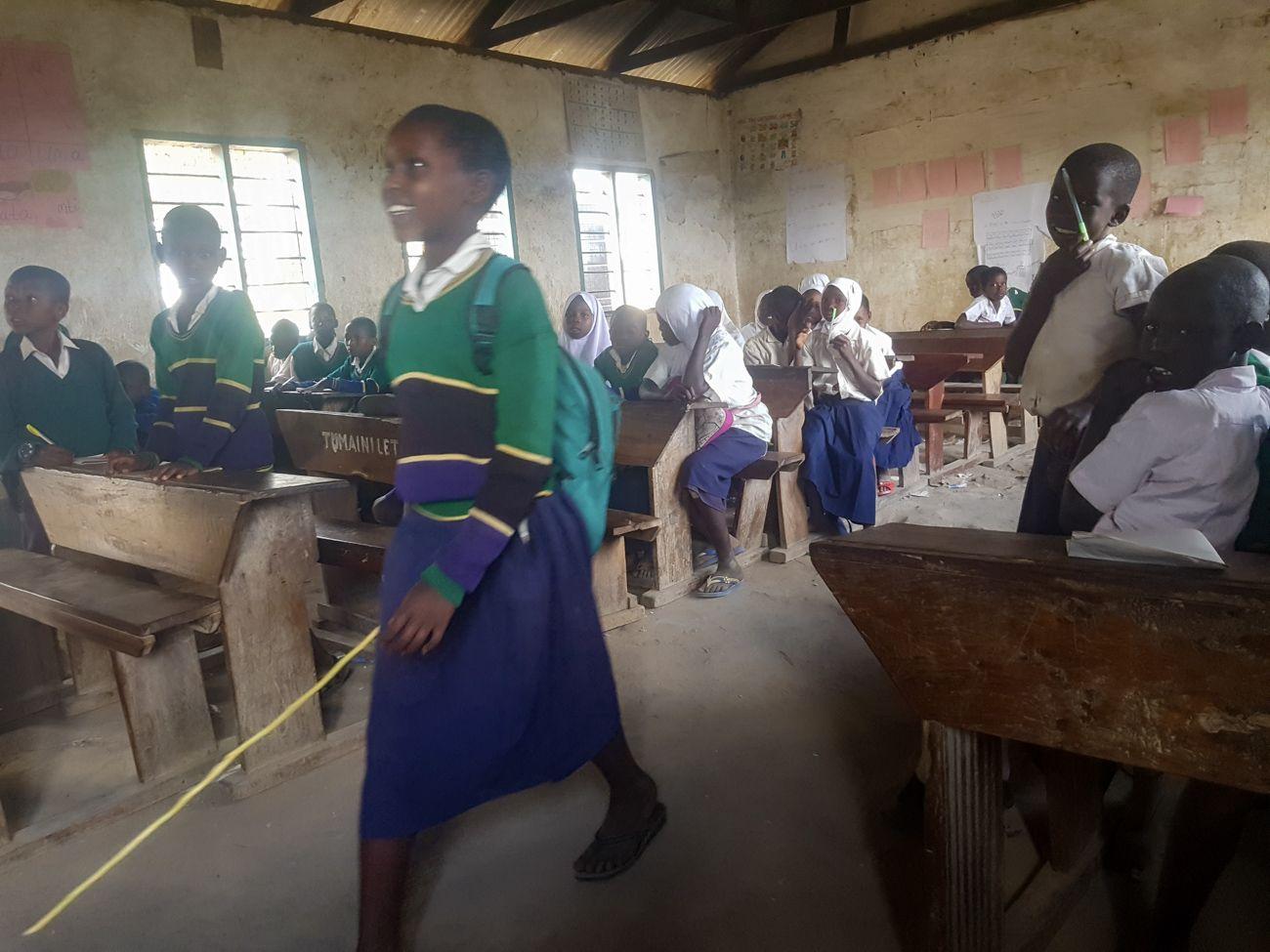
Msabaha was a teacher employed by the state and he didn’t originally come from Mbogoi—which, incidentally, was nothing unusual, because almost no one did. The village only started to grow around the school and gradually became a meeting place for the Maasai, who had previously lived in a fairly decentralized way. Msabaha also told me the name of the village and tribe he came from, but local place names are unbelievably complicated and impossible to remember.

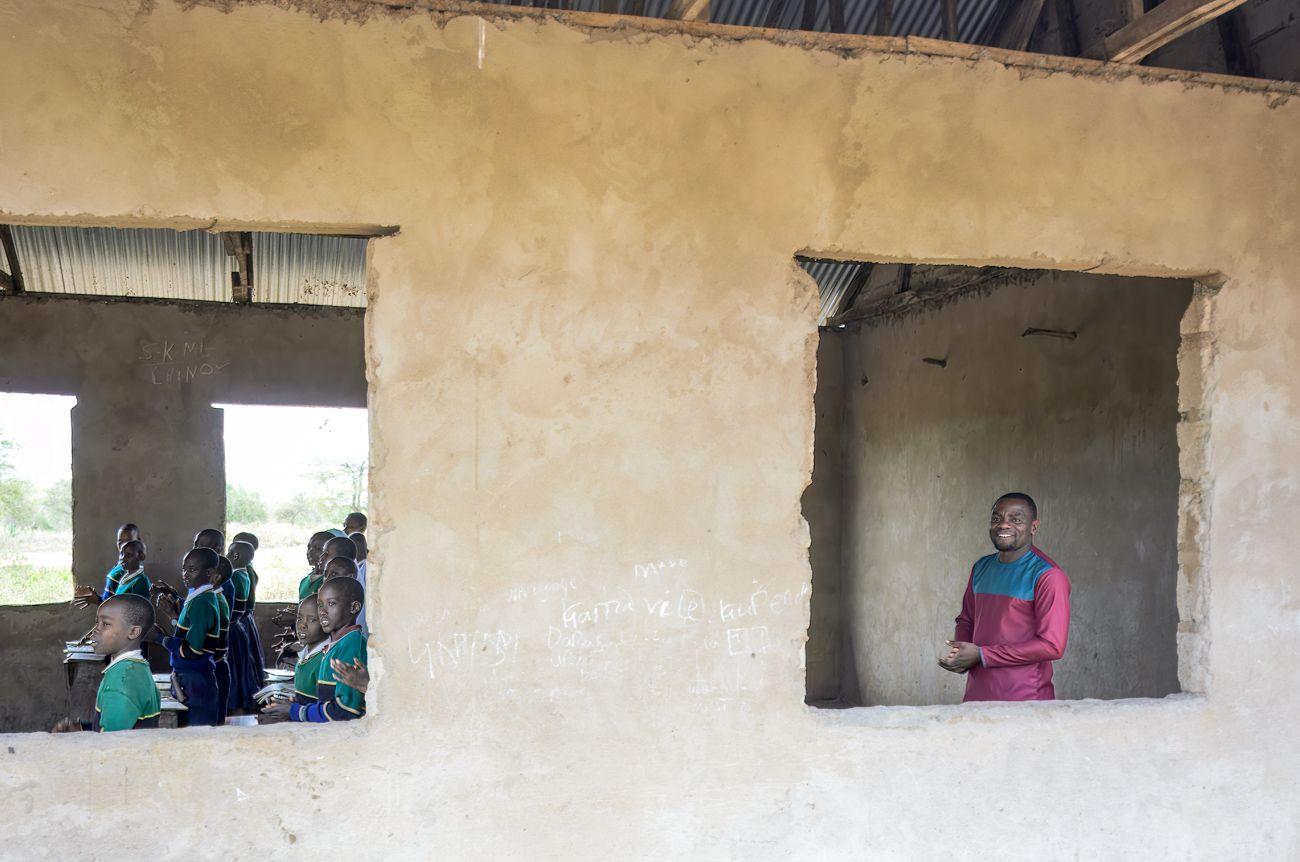
Msabaha and the children at school. Guess who’s in which window.

I liked his ironic sense of humor. For example, we were drinking beer in front of the house and I was asking questions, as usual. This time it was whether school is compulsory and what happens if children don’t go to school. Msabaha turned toward the bush and spread his arms, as if to say, “You can see it for yourself.” Or when we talked about the level of education of children who finish the seven compulsory grades, he said, “Well, if someone can count to a hundred, he’ll become a doctor or an engineer.” And here are the photos taken by Msabaha, straight from the phone, unedited.

Share this

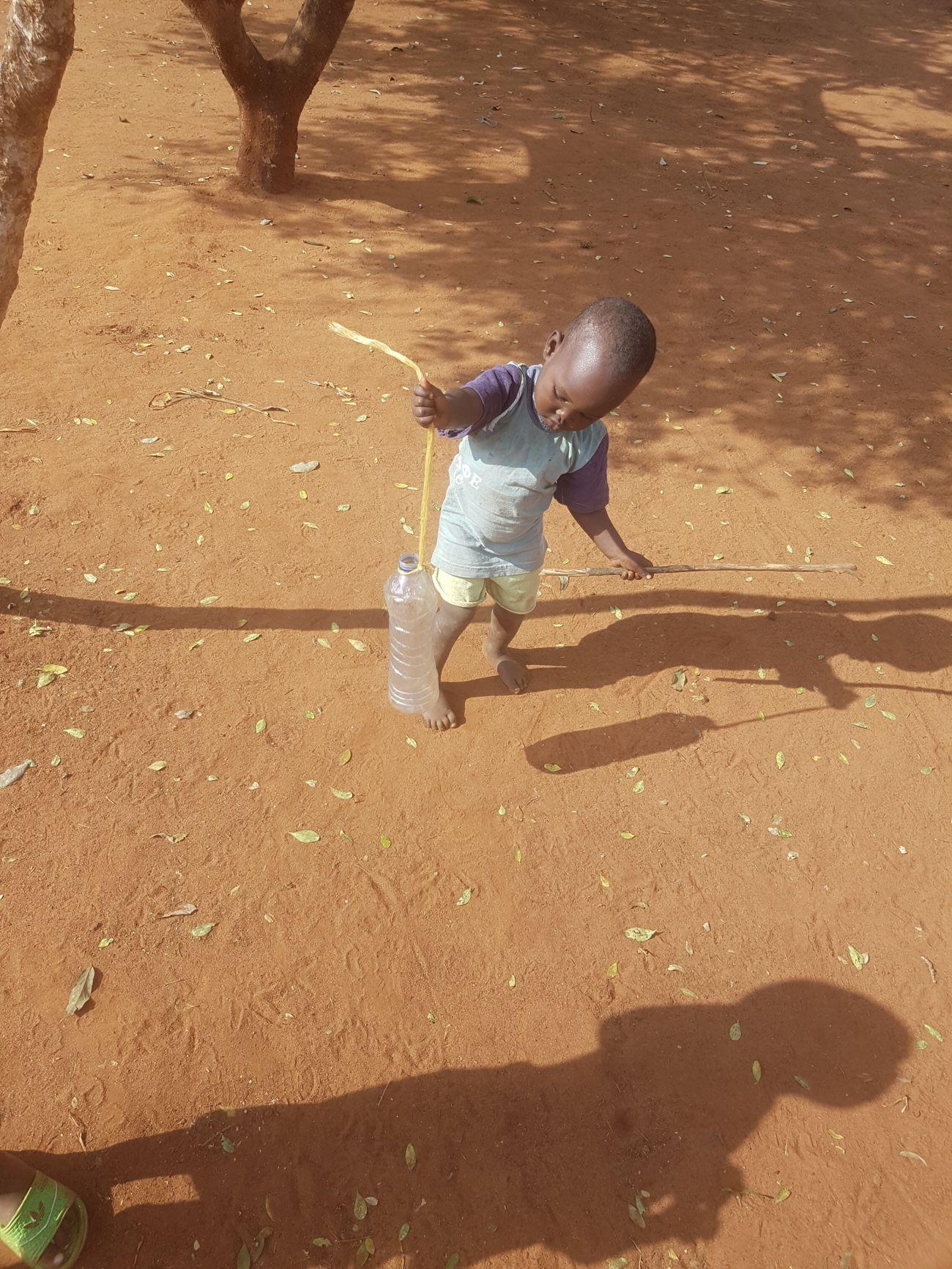
And one of the “gentlemen for shaving,” who photographed pieces of his own life instead of me, was Alojz. He approached the task in a thoroughly pragmatic way—no unnecessary questions, just grabbed the camera and returned it two days later, complete with photos. Alojz is also part of the local avant-garde, a half-resident of the village of Mbogoi, an occasional model, and the only man in the world—and probably the only human in sub-Saharan Africa—who genuinely likes Ed Sheeran.
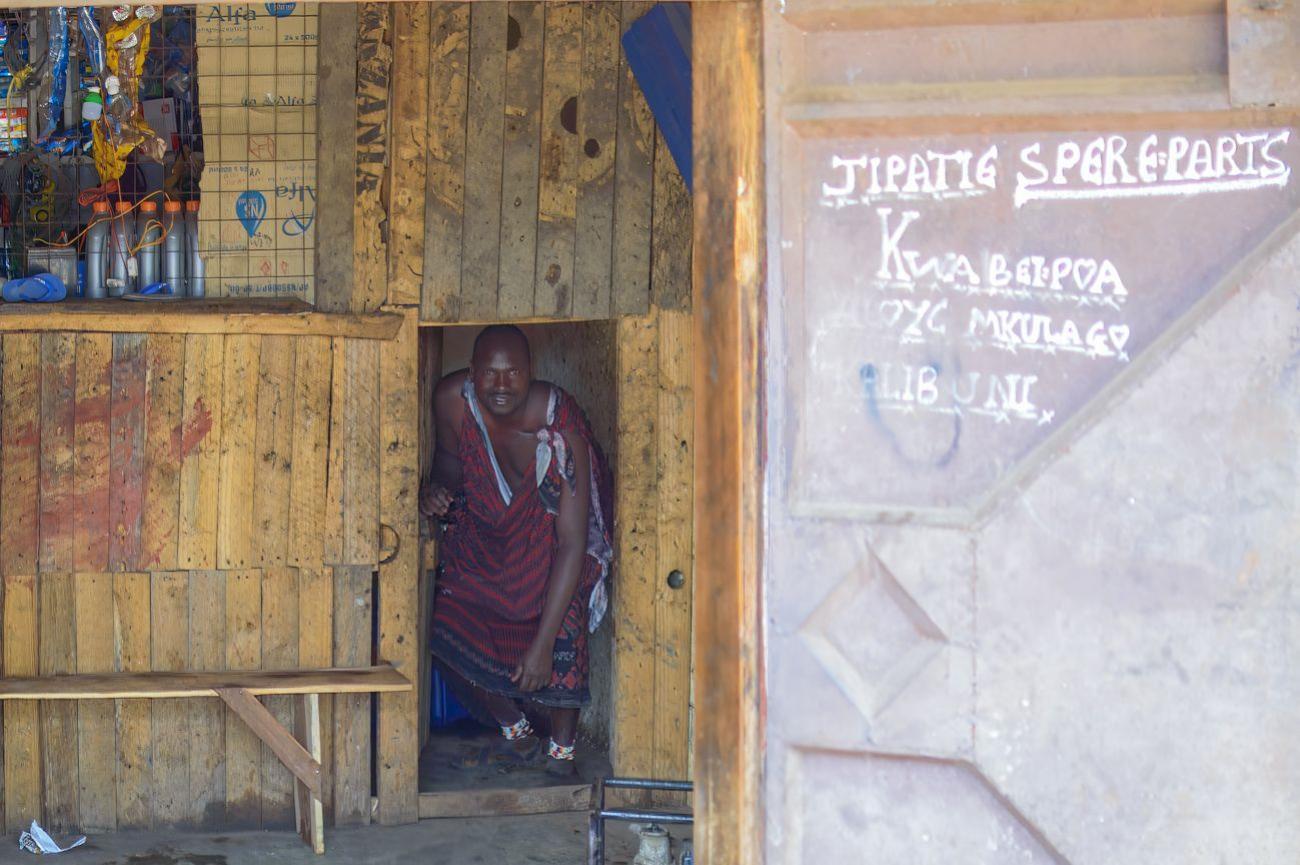
He was the only Maasai far and wide who owned a shop. A shop selling technical odds and ends of every imaginable kind. It even had several doors, the best of which led from behind the counter into the customer area. They were about 1.2 meters high, and Alojz walked through them at least a hundred times a day. When I suggested we modify them so he wouldn’t have to bend every time, he just laughed about it for a long while.

Doors combined with a gym.

When electricity finally reached the village last year, Alojz was the first to buy the largest angle grinder he could find—used, of course, because a new one is very expensive—along with a welding machine. In the very first month, there were three attempts at self-administered leg amputation using the grinder. Fortunately, none of the experimenters carried it through to a successful conclusion. And that’s without me even asking about the worsening eyesight of those working with the welder.

And on top of that, he had one more useful quality—the probability that he would lose my phone, which he was supposed to use for taking photos, was significantly lower than with others. Which does not mean it was low.Here are Alojz’s photos straight from the phone, unedited.

Share this