At home, everything is quite simple. For example, a person wakes up on a Sunday afternoon, feels that something isn’t quite right, and just heads to the store to buy a hat. In Mbogoi, my favorite little village, a person wakes up on a Sunday afternoon, realizes there’s no way to buy a hat, and can therefore relax until Thursda
The market called Soko
If you wanted to buy something, like clothes, not just basic groceries, beer, or Konyagi, or if you wanted to get an idea of the prices of cows, sheep, and currency rates, or simply stand around in groups and watch the unusual hustle and bustle, you had to wait until Thursday. That’s when the market, called Soko, took place. The marketplace where it all happened started about 20 meters from the house where I lived, so I really wasn’t far from the market. At first, when I wanted to go to the market alone, Sekenoi suggested I’d better not go because I was still sana mzungu.
Going to the Soko market with a Maasai was actually very useful because the Maasai are world-renowned misers. Well, not exactly—they are poor and really hate paying extra. For example, I needed a hat, so I gave Sekenoi some money, and off we went to buy a hat. When I spotted the perfect one—black, with a Chinese puma logo—I asked the good man selling hats, using my best hands-and-feet sign language, how much it cost. The good man gave me a good price—12,000 shillings, which is about 3.5 euros. And Sekenoi said, “I’ll give you 2,000. Take it or leave it. Otherwise, we don’t want anything.” He took it.
Every time it was market day, our house was surrounded by Maasai in large numbers. The market attracted Maasai men and women from all over to shop or just to come by, greet friends, and discuss the serious issues of the world. They gathered around Renča’s house because it had the only Maasai shop in the village where they could buy Konyagi, soda, or beer. During those times, Renča and I preferred to sit inside the house and wait for the rush to pass. I did so because, although everyone had likely heard about me, I didn’t speak Swahili or Maasai. Renča stayed inside because if she went out, everyone would want to greet her and invite her to join a conversation circle for a chat.
And so it always happened that when she did, everyone would start speaking Maasai. Maasai is a secret language that the Maasai use to communicate. Since she didn’t understand it, she would stand there, smile, and think about how to escape. So, we took preventive measures, stayed inside, and waited for nightfall.
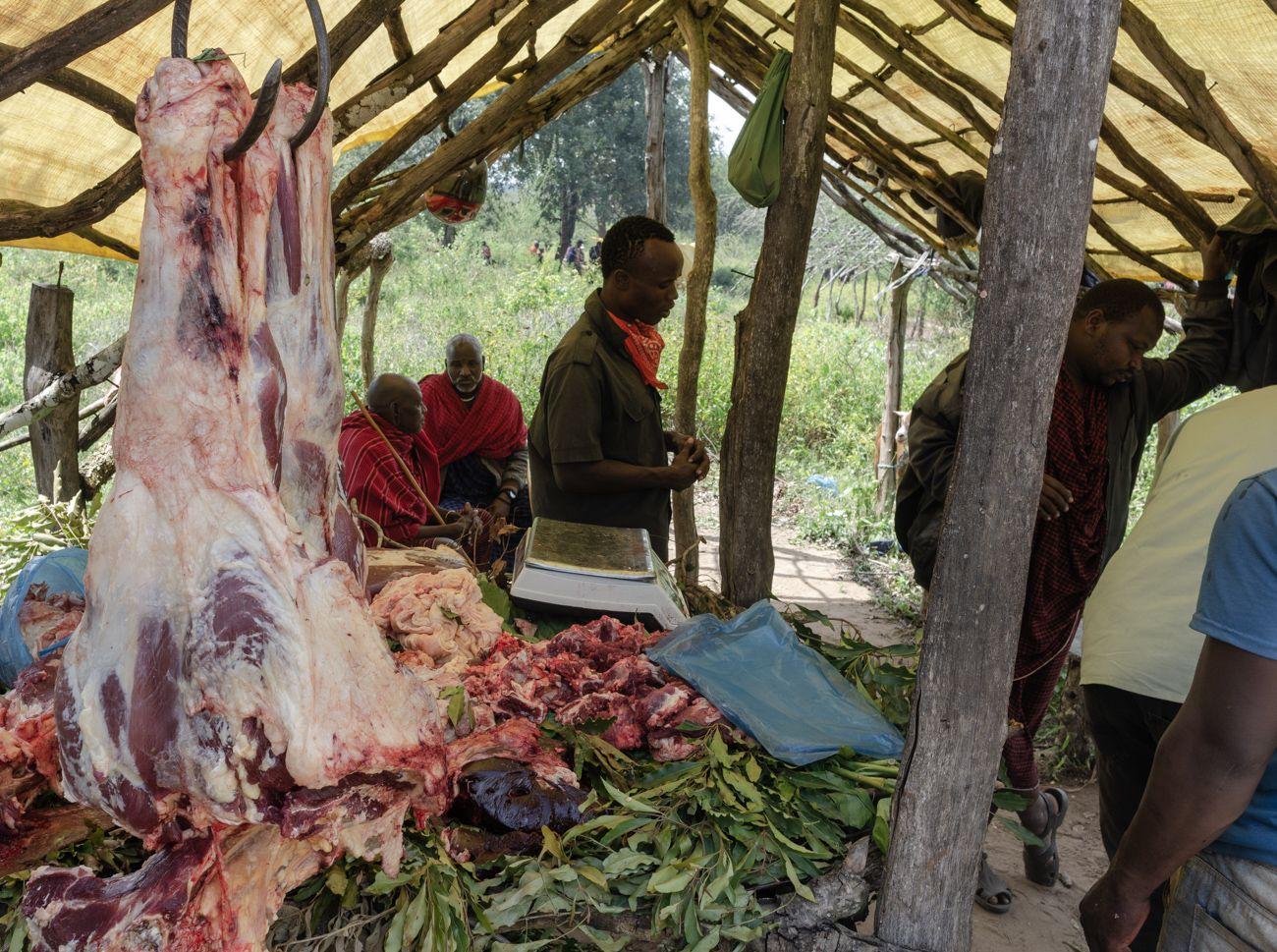
The first market vendors started trickling in between eight and nine in the morning. But the Fuso trucks full of goods and traders hadn't arrived yet. These early birds were mostly vendors who baked, cooked, fried, or smoked food. The most tempting food at the market was the so-called nyama—beef, smoked or roasted, stretched over sticks by the fire. For me, it was absolutely unchewable because my small teeth were no match for their enormous ones. So, I kept my teeth hidden. But nyama wasn't available every Thursday. It depended on how well the cooks who prepared it predicted the turnout since nyama was quite expensive.
If someone decided it was a good time to buy nyama, whether to celebrate an occasion like selling a hide or just because they had plenty of money, the vendors would neatly wrap the nyama in twigs and leaves from bushes instead of plastic bags.
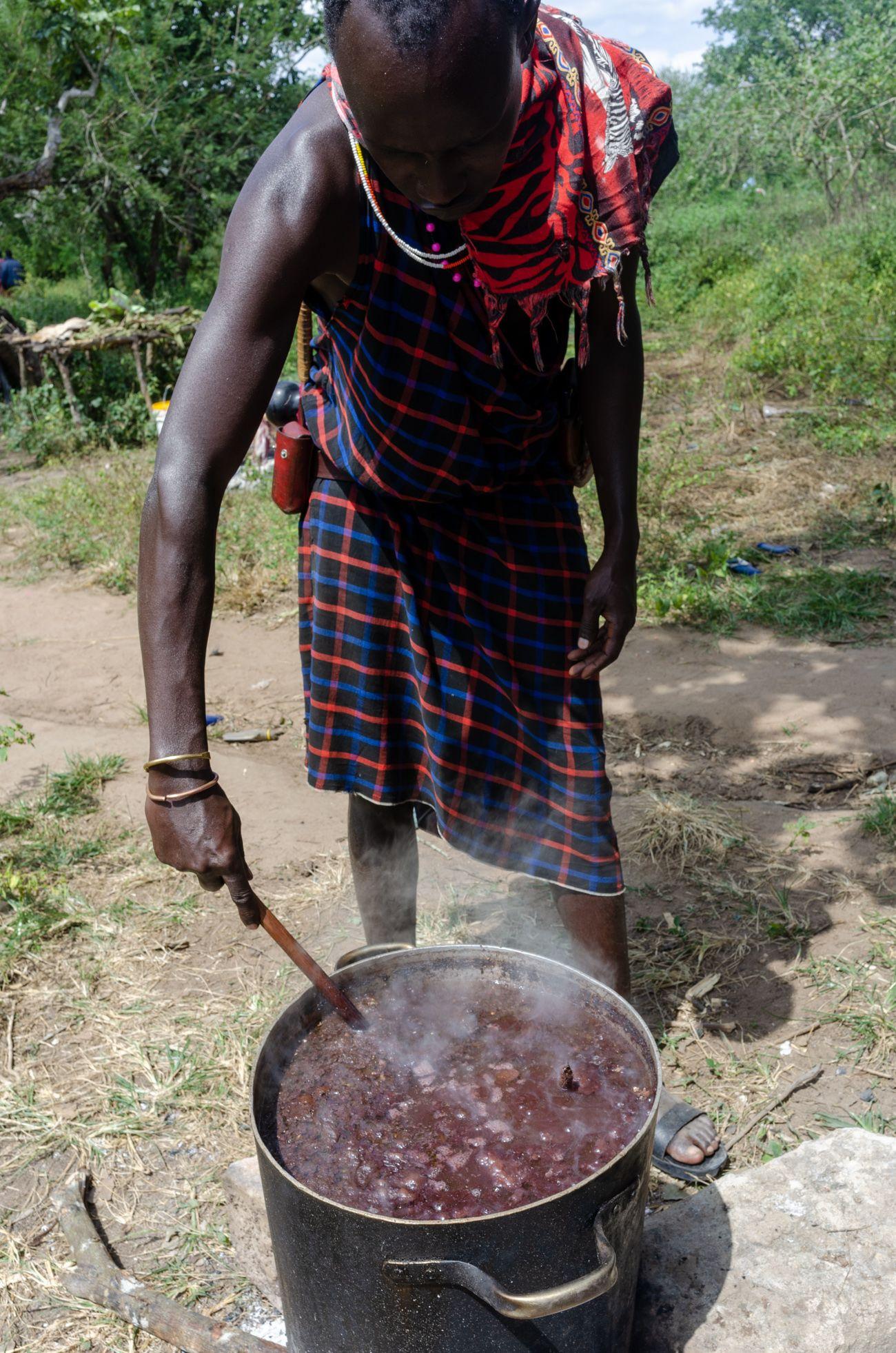
My biggest experience from the market called Soko was drinking the so-called medisin. Everyone around knew I was a natural-born stuntman, so they insisted I try their medisin—a drink they brew from roots in the bush when they’re out with the cows for a long time. The local alchemist had been cooking up this potion since the morning, claiming today’s batch would be an extra treat.
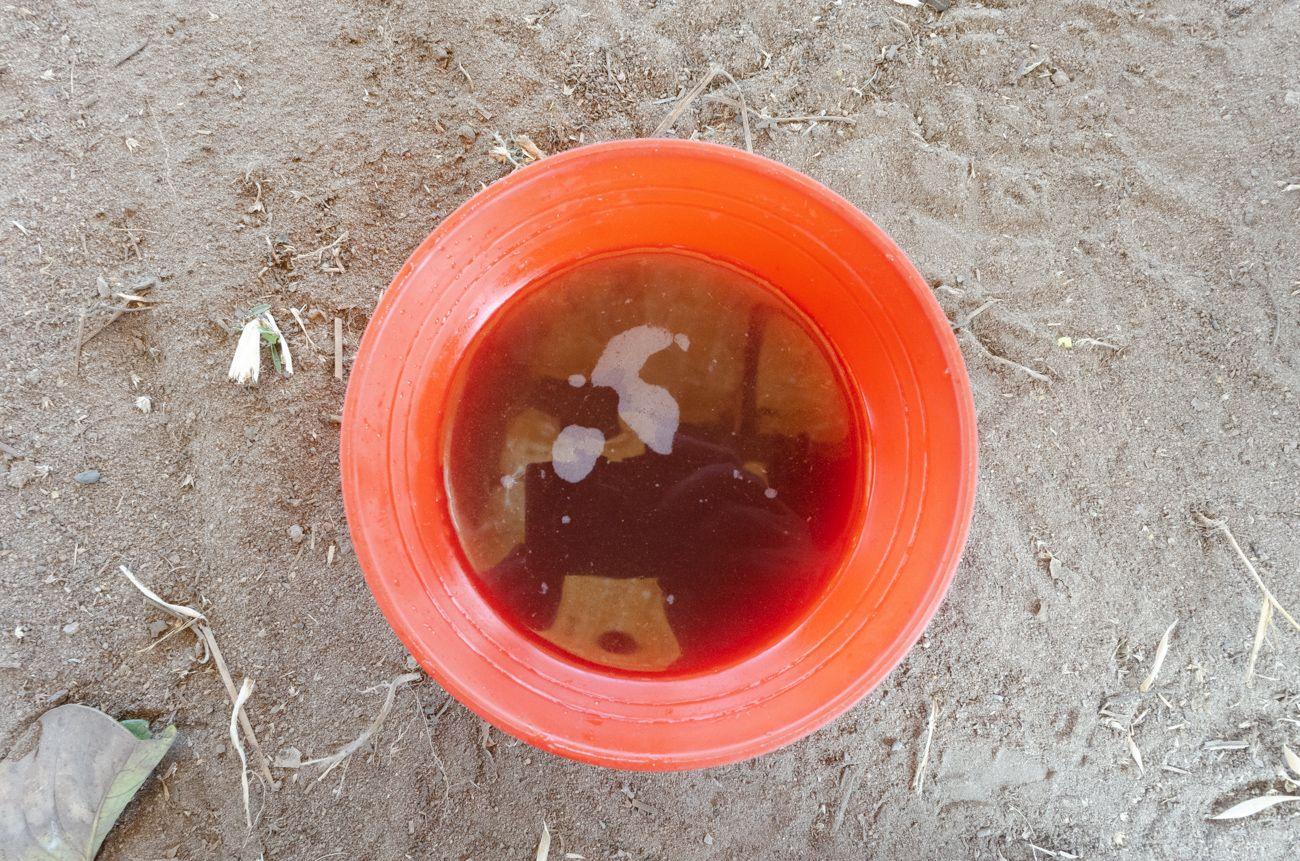
He poured about 3 deciliters of this elixir into a plastic bowl for each of us. Naturally, we sat in a circle, pretending to chat. I said my goodbyes to life and drank the medisin. It had an interesting bitter taste, and if you added sausage, sugar, and fried it, you could almost eat it. It vaguely resembled coffee and had a similar energizing effect. Since I appear to still be alive, I got through the whole medisin adventure without any harm to my health.
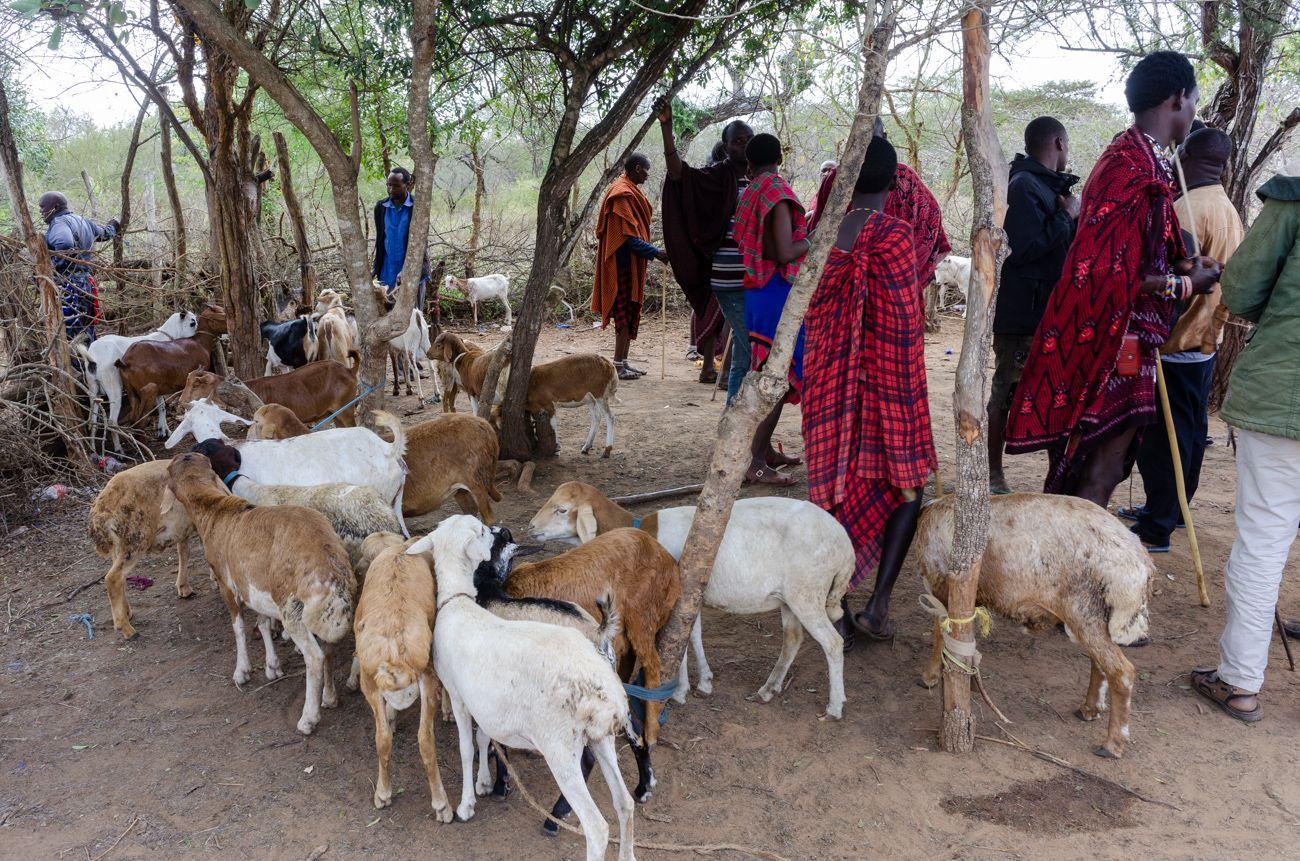
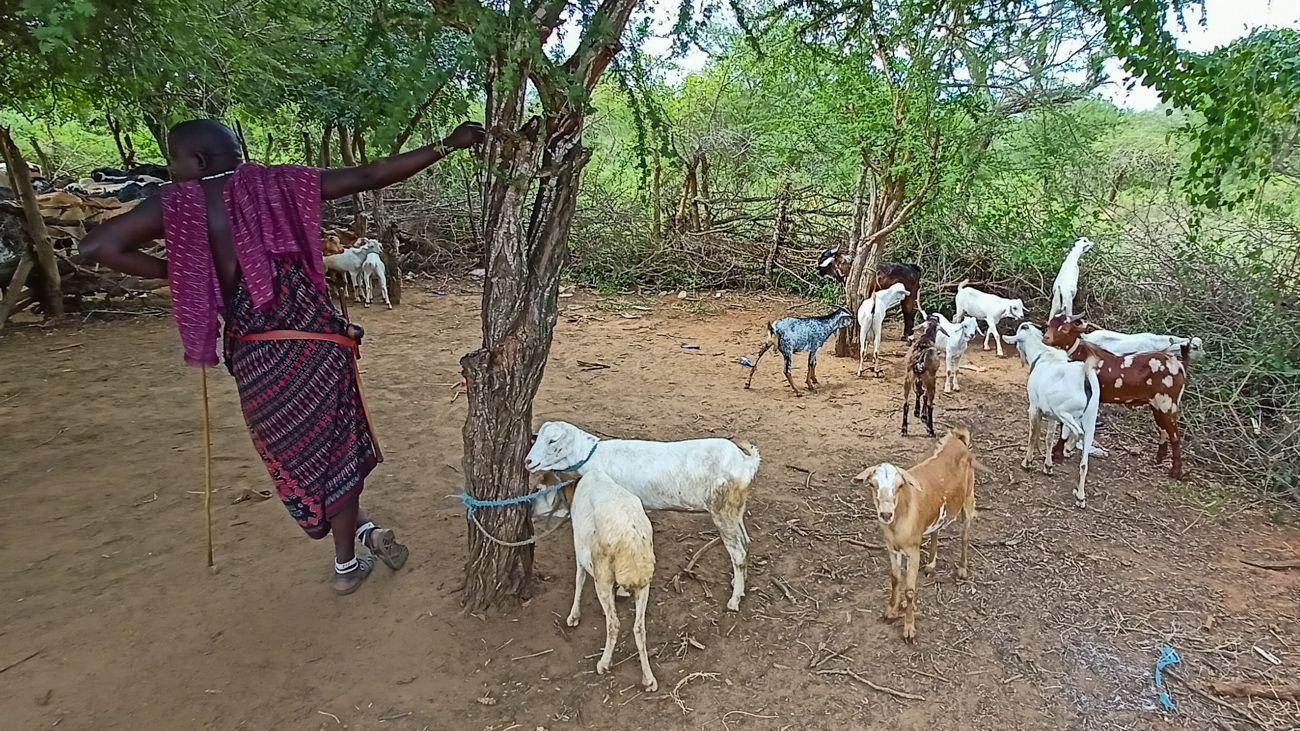
Cows, goats, and sheep were also sold at the market. This was where I first encountered the mighty hand of the Tanzanian state. A typical example: A Maasai sold a cow and had to go with the buyer to a man—a Swahili—in a blue jacket who had a cash register. This official calculated the tax, which the buyer had to pay on the spot. Then both went to Amos. Amos was not a world-famous founder of education but rather a Swahili man, approximately 321 years old, who knew how to write. He wrote down who sold the cow and who bought it. He added a stamp to the paper and handed this document to the buyer.
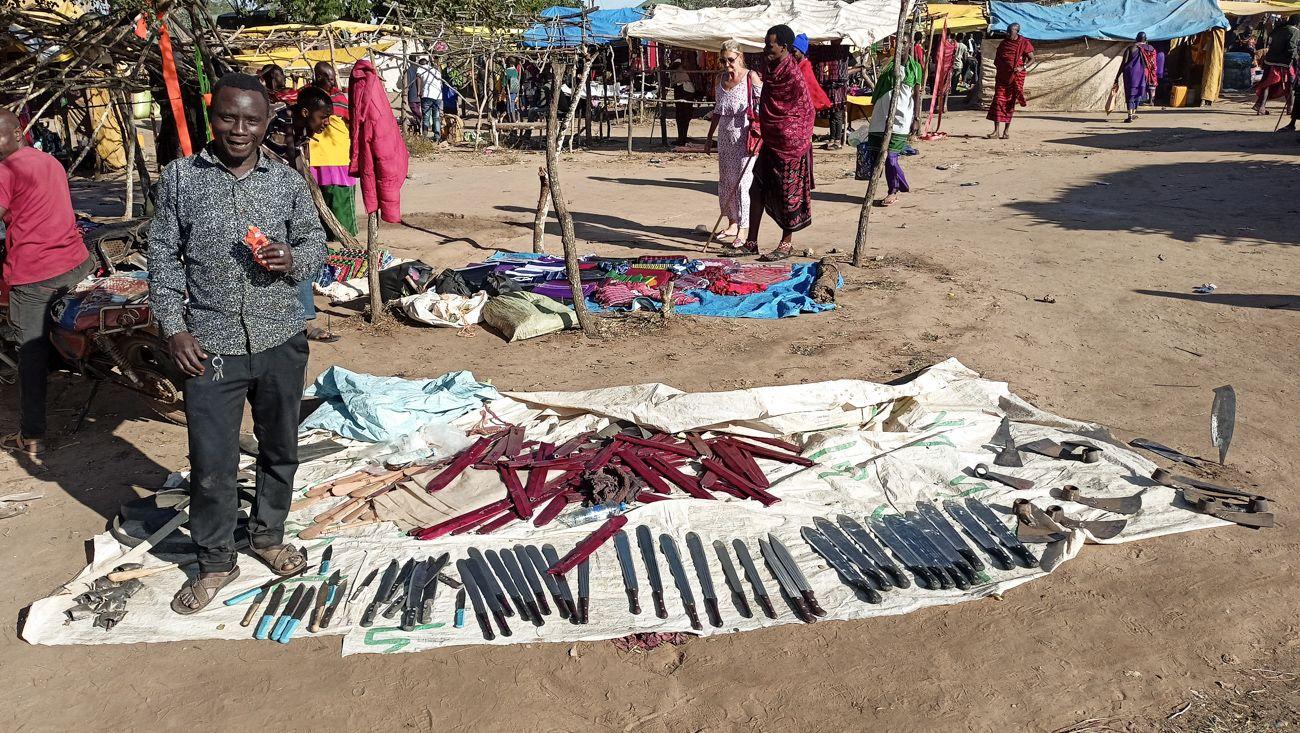
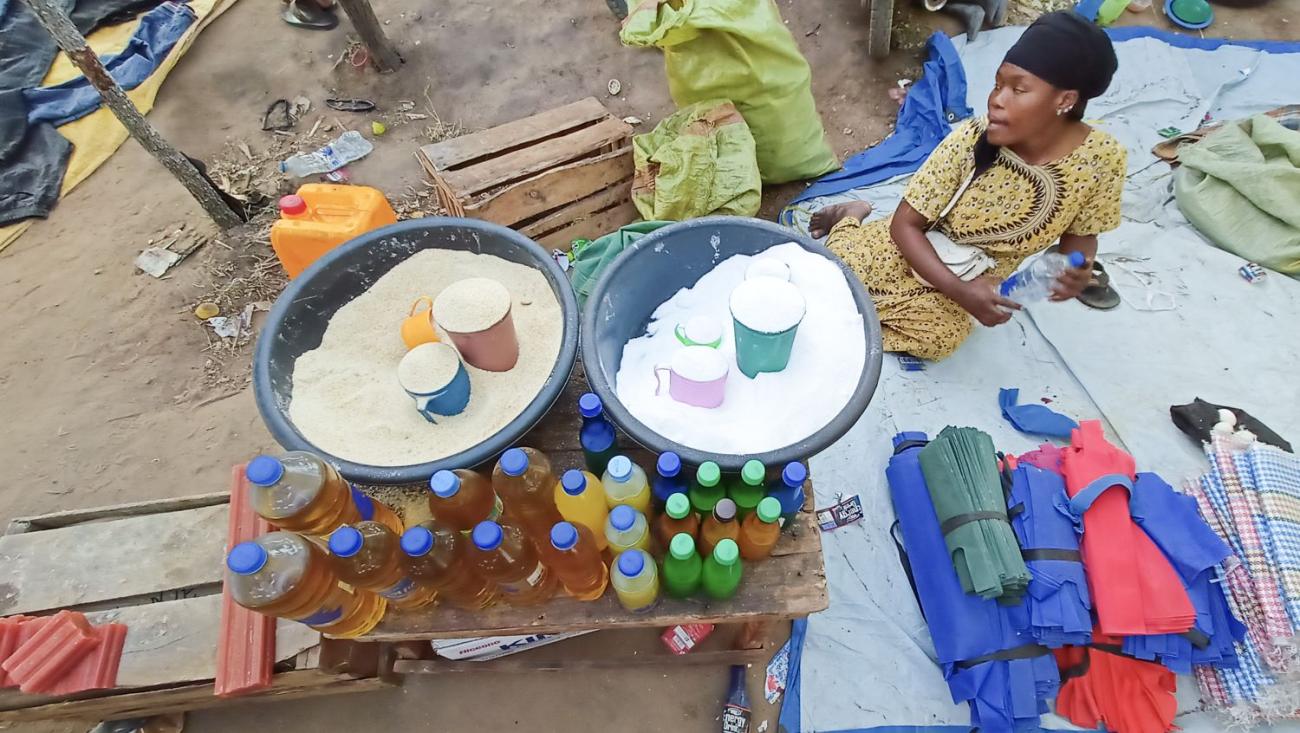
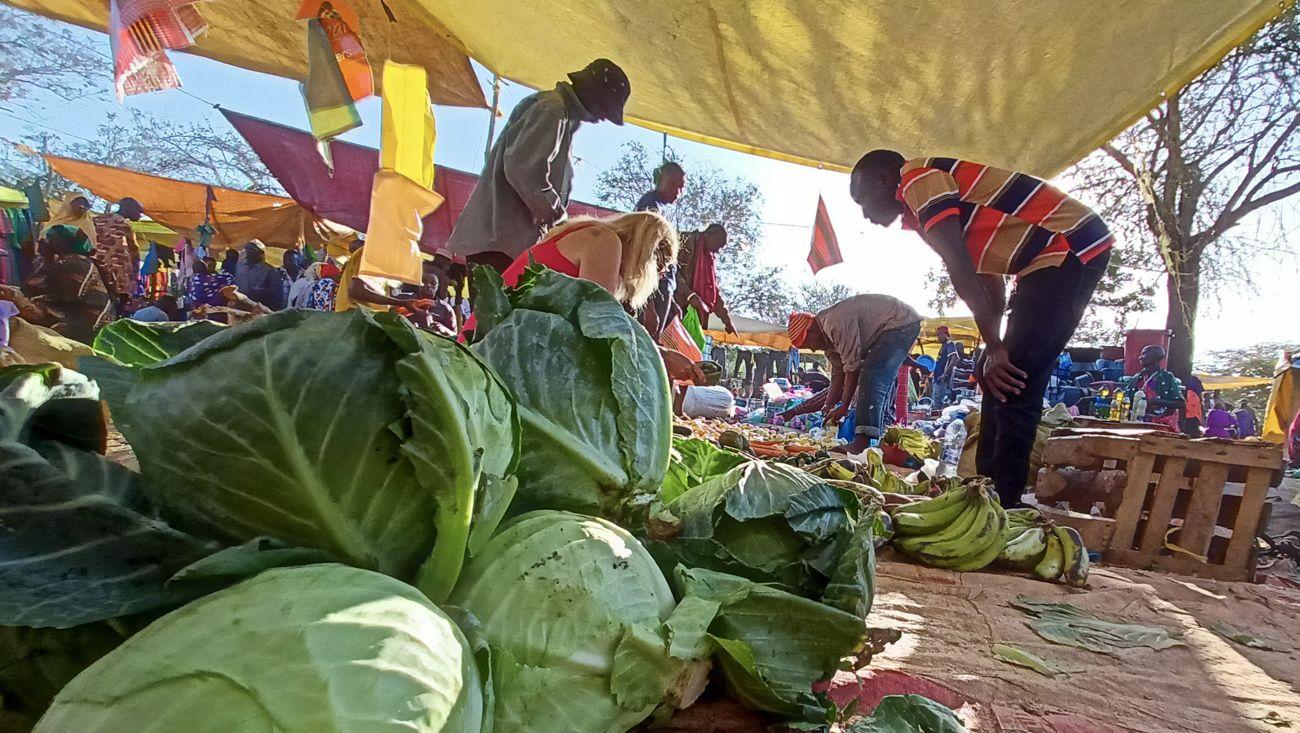
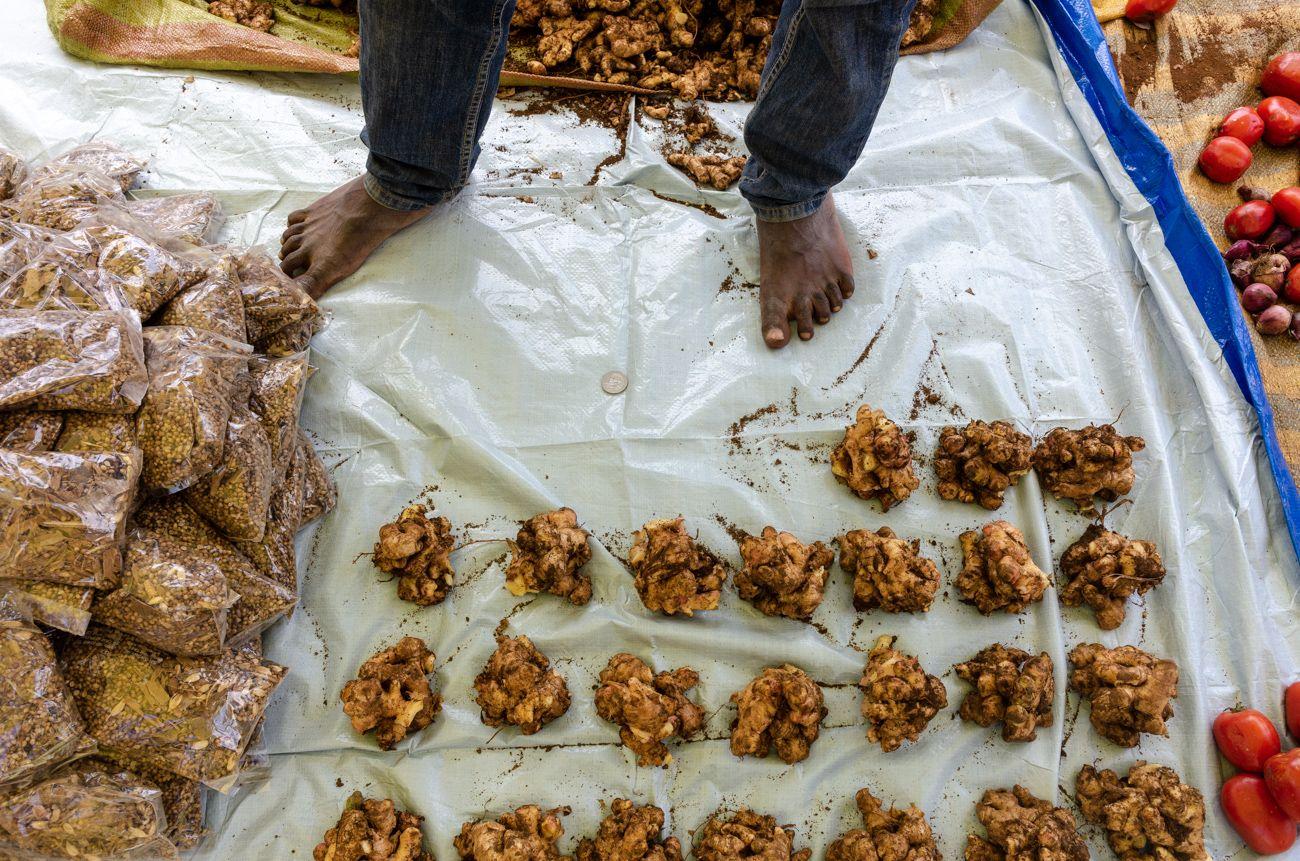
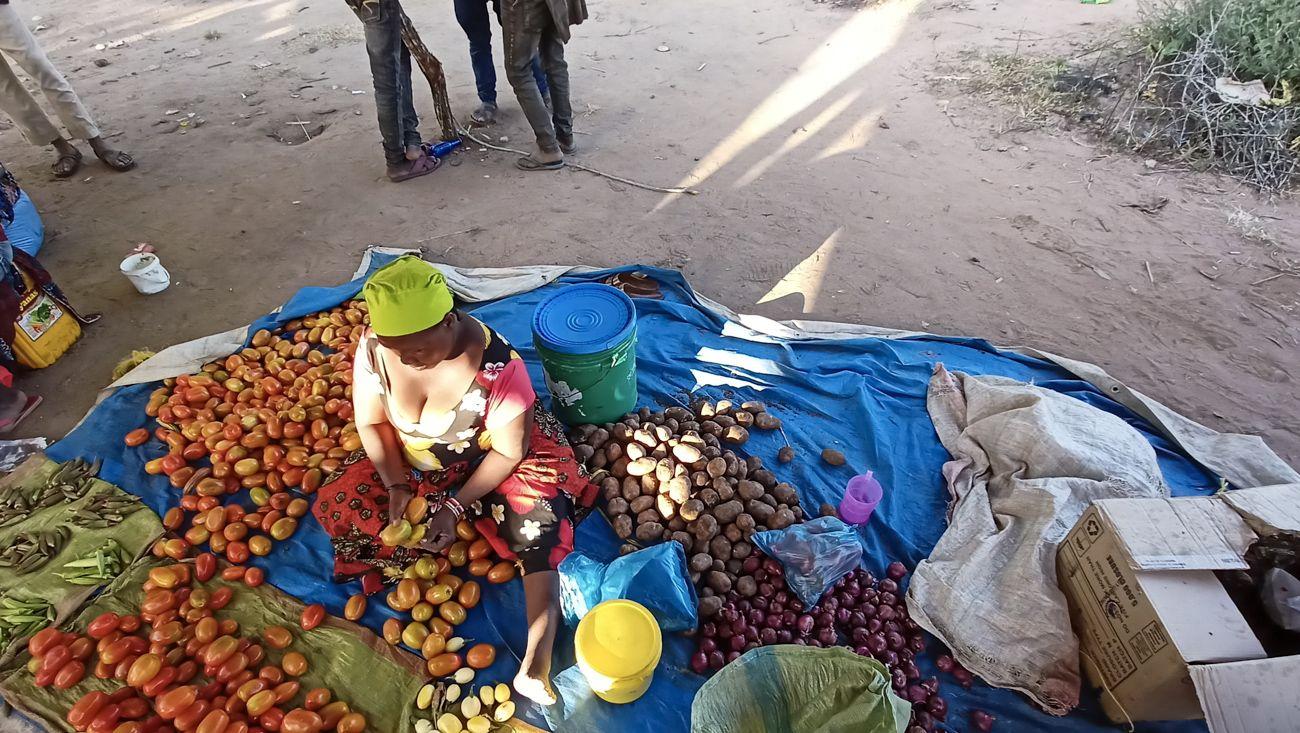
Apparently, this confirmation of sale and purchase was done because the seller, having made a good deal and sold a cow, felt rich. He went to the buffet, probably ours, and drank a lot of Konyagi. In the morning, since he remembered nothing, he searched in vain for the cow he had taken to the market. Apart from livestock, everything was sold at the market. Fabrics in qualities, colors, and patterns that probably don’t exist anywhere else. Dried sugarcane juice, chewing tobacco, super-cheap Chinese electronics, animal medicines, fried sweets, fruits, vegetables, plastic and aluminum dishes. I can’t even remember everything, but there was truly everything you could think of. And the market was full of buyers. Maasai women had finally come from the boma to civilization.

It was quite amusing to go with Renča to buy a goat at the market. Well, Renča went to buy the goat, and I walked two steps behind her because I was looking forward to the soup. Renča knew about goats about as much as I did, so she always found a friend at the market to help her choose. Prices fluctuated a lot because when there were many celebrations—sikuku—all the goats were eaten, and the price went up. Sometimes it was possible to buy a goat outside the market, directly in a boma, but then Sekenoi had to run around for two or three days, and he was nowhere to be seen.
When Renča, after thorough touching, examining, and discussing, finally chose a goat suitable for goat soup, she went to the black man with the cash register to pay the tax. Then she went to Amos to issue a sales document for the soup goat for the white Renča. We found out that if we didn’t want to keep the goat but planned to eat it right away, we didn’t need a document or to pay tax. So we asked for the tax back; I don't remember if they returned it or not. We took the goat home and placed it in the shade of a large bush to let it settle down a bit.
At first, I didn't pay much attention. But when I realized how much food costs there compared to their income, I couldn't understand how they managed to survive. How they managed to eat. I already mentioned that the locals' income is fantastically low. Considering the exchange rate of the euro to the Tanzanian shilling, it ranges between 15 to 45 euros per month. However, a cook or a herder usually earns those fifteen euros. I don't know how much skilled workers (fundi) earn, but it could be several times more.
And now, food prices. You always have to keep in mind that the average income there is around 25 euros, but more likely less. It's as if a kilo of flour in our stores cost 100 euros. Social unrest would probably bring down this system in about two days. Yet in Mbogoi, there was a fierce social calm.
Food prices: A liter of oil about €1.5. Flour €1. Petrol around €1.2. Rice €1. Maize 100 kg from €32-€52 depending on drought. Sugar per kilo €1–1.5 depending on weather. Cabbage (medium) €0.5. Five tomatoes (about a kilo) €0.35. Eight potatoes €0.35. One banana €0.04.
These are the prices in the summer (their winter) of 2024.
But it's time for things to get started because the village has welcomed Fuso trucks full of goods, vendors, and shovels. The shovels were ready in case the Fuso got stuck some where so they could dig it out.
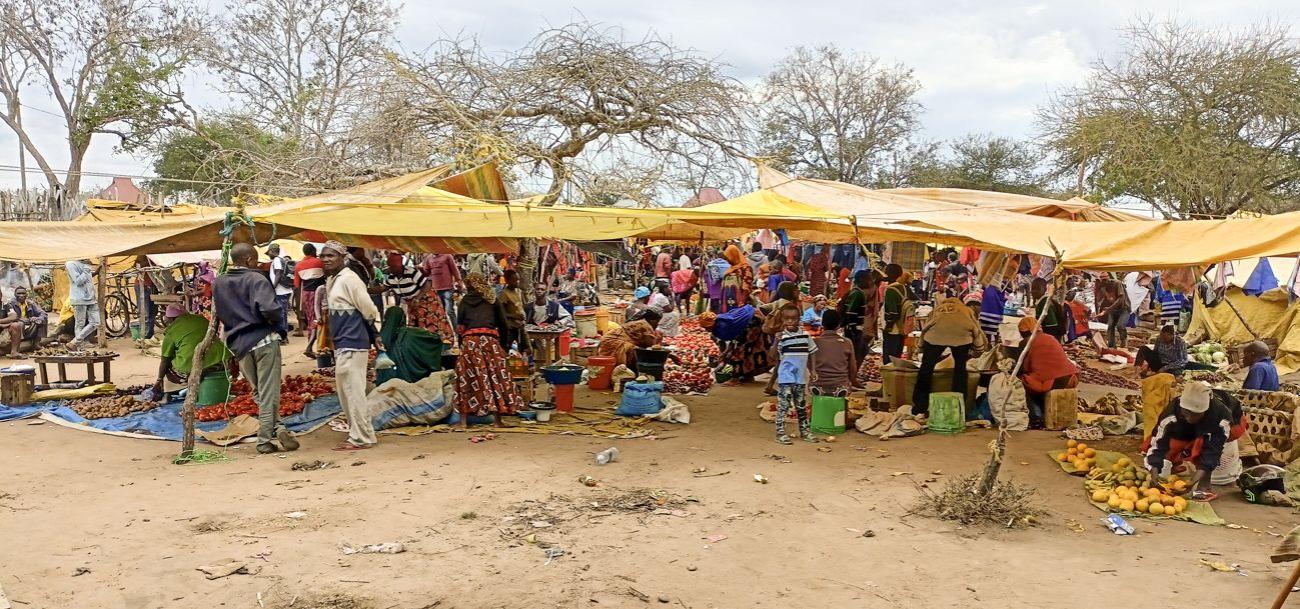
And they're already setting up their stalls. The stall frames are already prepared at the market; all they need to do is stretch a yellow tarp over them. It's sometimes an almost terrifying mix of noise, colors, smells, and movement. The stalls are filled with goods—colorful fabrics stacked on top of each other, clothes piled up, shoes arranged just as chaotically, often with napping vendors nearby, vegetables, fish, electronics, mobile phones, animal medicines, chewing tobacco, dried sugarcane juice, eye test charts, hats, and even bicycles.
On the edge stood the inconspicuous and rickety stalls of Maasai with a knack for business. Cheerful groups of Maasai stood by, chatting away. Sometimes they surrounded the stall so tightly that you couldn't tell who was buying and who was selling. Sometimes, of course, with the company of someone familiar, I found myself as the only white person in the entire market. The vendors' eyes lit up when they saw me. The thought that I might buy something from them for ten times the normal price excited them because, to them, I was an endlessly wealthy mzungu. But the joyful spark died immediately when they saw I was with a Maasai.
An entire chapter could probably be dedicated to a part of the market that felt like a live teleshopping show. There, a well-dressed Swahili man with a microphone and a speaker shouted that no one could possibly live without the miracle product he was selling. A fairly large crowd formed a circle around him, and inside, along with the seller, there was always a tractor. That was my subtle way of suggesting that Mbogoi has a tractor. A blue one. The funniest super-action teleshopping product was probably a bottle filled with purple liquid. The seller poured about a quarter of the contents into another bottle and then topped it up with regular water. According to his own words—and there was no reason not to believe him—both tasted the same. It was an endless soda. Later, Charles was sitting by the house with one of these magical sodas, so I tried it. It was sugar water with copper sulfate. How could anyone resist buying such a miracle?