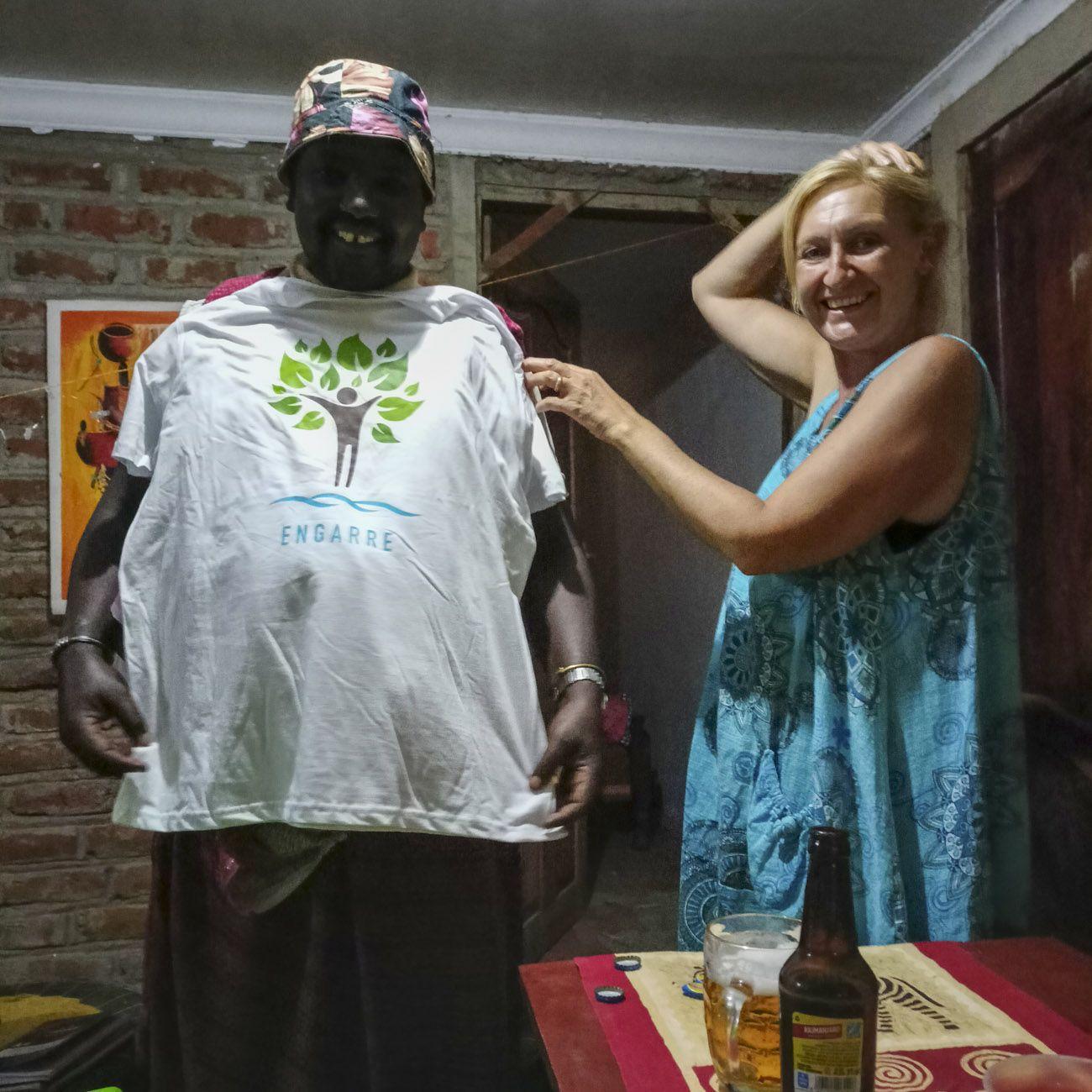
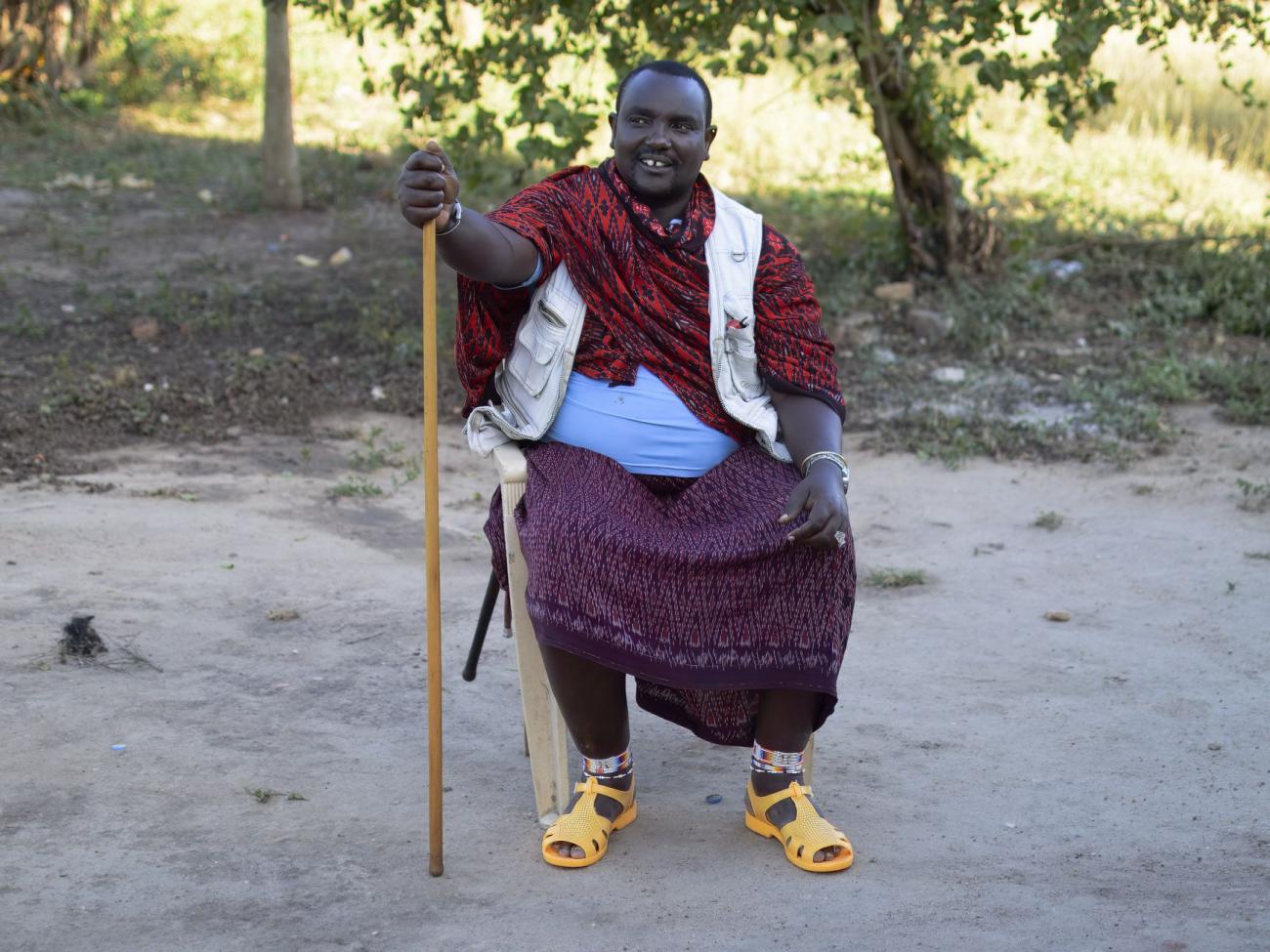
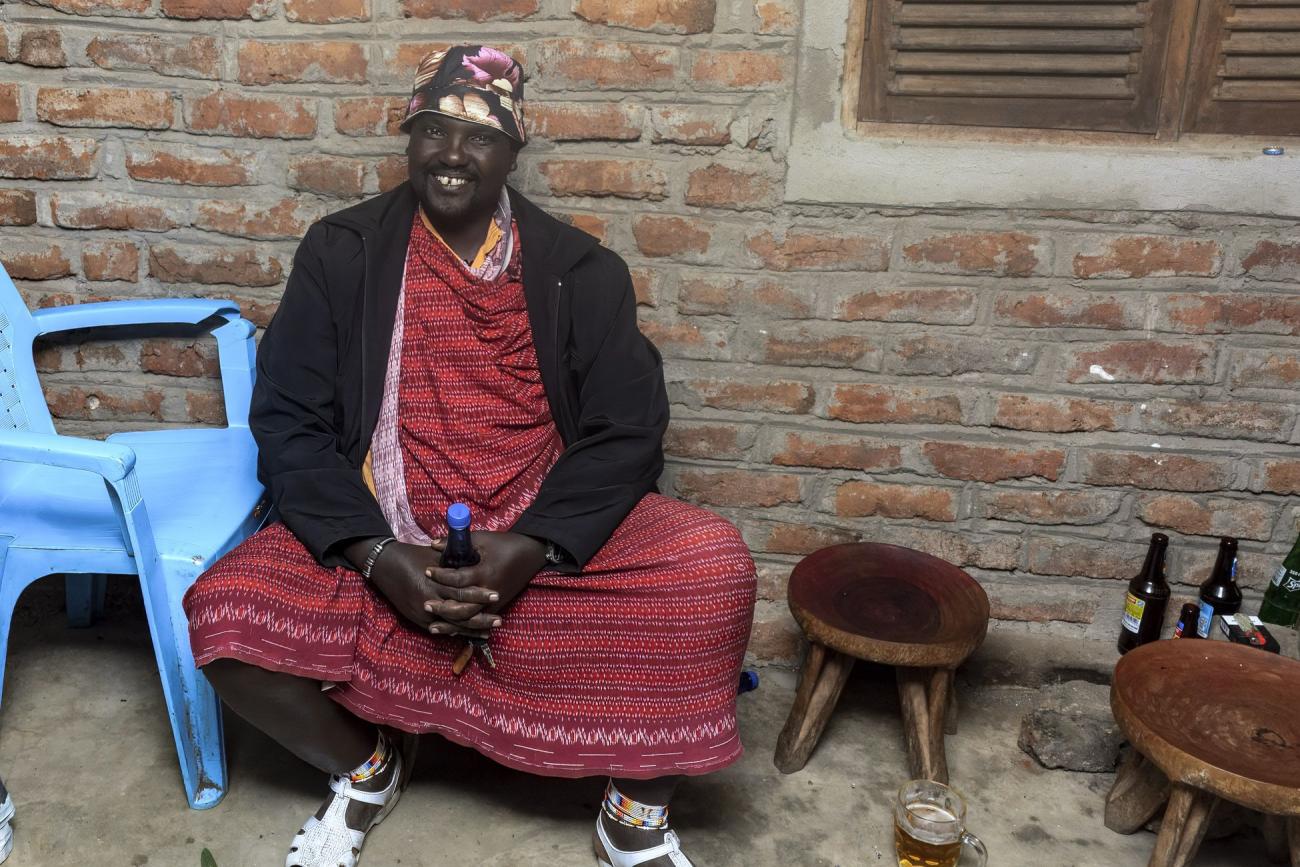
Julius Munikiti — the eternal mayor of the village of Mbogoi. Apparently, there was a brief moment when he wasn’t mayor, because in an election someone else got elected. The new mayor decided it was time to introduce local taxes. Since the Maasai are permanently armed, fairly numerous, and deeply unimpressed by the idea of new taxes, the freshly elected mayor had a quick rethink: he cancelled the taxes and resigned. And so Munikiti became mayor once again.
Munikiti
“Munikiti” in the local language means mayor, but everyone called him Munikiti anyway, even though his real name was Julius. He spoke English—perhaps not quite at the level of using past tense, but he spoke it. He had completed four grades of primary school, which in local conditions is roughly the equivalent of being a professor. He often sat with us late into the night, drinking beer or Konyagi and telling us all sorts of things. Many, many sorts of things.
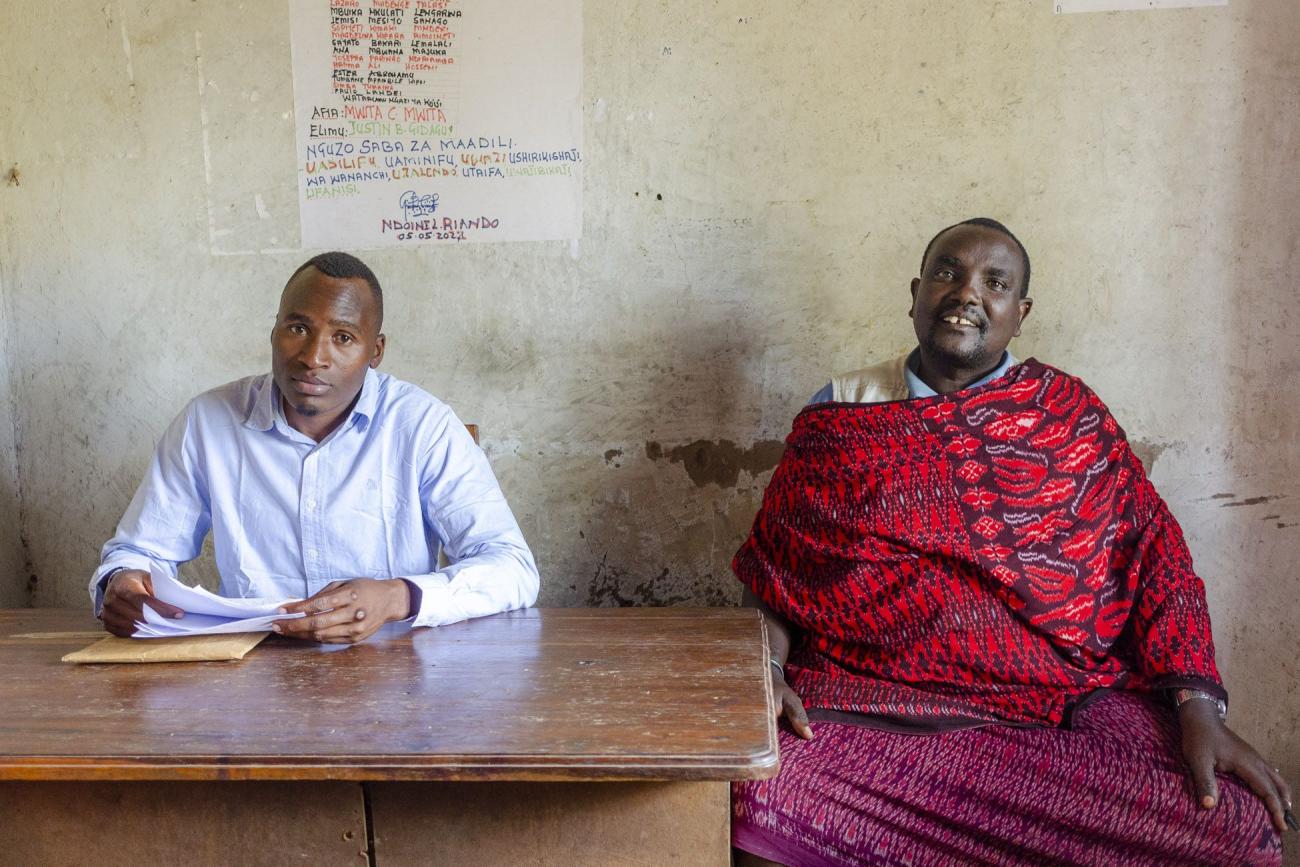
He shared the mayor’s role with a man paid by the state, who officially represented the government in the village. His position was formally called “half-mayor.” Even Mbogoi had a town hall building — a perfectly normal plastered house with a corridor and four, yes four, rooms. When you walked in, the first thing you noticed was that three of those rooms had their doors nailed shut. Yes, they don’t exactly go overboard with rooms here. Another local highlight of the town hall was the municipal noticeboard — a single sheet of paper pinned to the wall. Given that maybe five percent of the Maasai could read and write, the whole thing felt like a well-executed joke. Munikiti was probably the person with the best overview of Maasai customs and their history. He also knew local legends and forgotten technologies, such as how to make wine. And he could talk about these things at great length. He liked answering all my nosy questions — and when he didn’t know the answer, or didn’t want to give it, he would smoothly switch to talking about the beautiful and powerful Tanzanian nature. So long live the beautiful, powerful Tanzanian nature.
What did the practical execution of his office actually look like? Two stories explain it best — one I heard, and one I experienced.
The first was told to me by Renča. She was sitting with Munikiti, dealing with something, late in the afternoon, already well into evening. A Swahili woman came to him with a child. She said she had been at the hospital and needed to be there again the next morning, but she didn’t have the money to hire a boda-boda (motorcycle taxi) to get home and back. Munikiti took pity on her, called a motorbike rider, put her and the child on the bike, and sent them to his boma. They were to be given a place to sleep there, and in the morning someone would take her back to the hospital.
The second story is less touching and probably more common. A Swahili woman came to Munikiti saying that a Maasai man had called her a whore. She claimed she wasn’t, and wanted Munikiti to tell him not to say that again. That same evening, yet another case appeared — a completely different one. It was already dark when I suddenly noticed a very small man approaching from a distance, maybe about 150 centimeters tall. I had seen more people of this size there. Tanzania has many tribes, and sometimes you can guess which one someone comes from just by their build. When I saw him, I said to Munikiti, “Another customer, looks like you’ll be working for a bit.” The man came over, said something to him, Munikiti waved his hand and continued talking with us. Then he explained that this was a man who had only recently started living in the village, had gotten drunk, and couldn’t find his way home. So when he saw the nearest light, he came to ask which way he should go.
As I’ve already mentioned, blanket collection of local taxes is not exactly a favorite sport among the locals. The village did have expenses, though — teachers were paid by the state, but the running of the school had to be covered by the village itself. So when Munikiti needed money for municipal matters, he went around to the people who had some, explained the situation and what the money was for, and they either gave it to him or didn’t. I try to imagine the mayor of my hometown in Slovakia turning up at my door and explaining that I should give him money because he needs to build two bike lanes side by side and his cousin happens to own the construction company that will do the job. I’m starting to understand why carrying firearms is so strictly regulated back home.