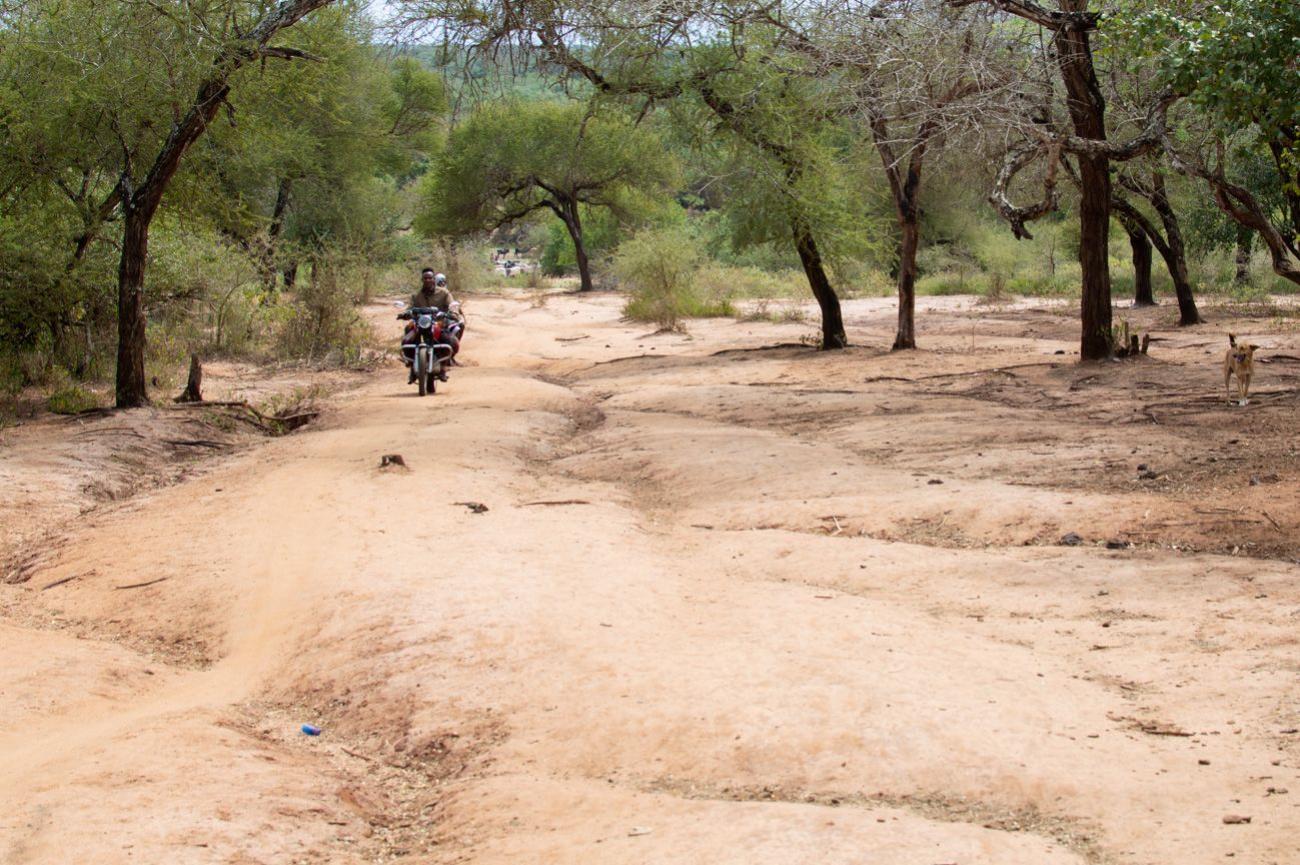
One time, we decided to walk to the market in the neighboring village because on Thursday, we had forgotten to buy something, and the Sunday market in Ndukai, about 7 kilometers away, was our last chance. The road was rough and riddled with potholes. Just then, an old truck loaded with vendors and their goods overtook us.The truck tilted now and then, as if it might tip over at any moment, but the driver seemed utterly unconcerned. As they passed me, the driver leaned out of the cab and shouted down at me: “Mzungu, Bara-Bara!” In translation, it means, “White man, road!” The unmistakable look of blame in his eyes was hard to overlook. It was immediately clear to me what he meant—that I should fix the road or at least pay for its repair.
Bara-bara road worker
The funny part was that the truck bed was carrying about fifteen people and several shovels. Those shovels were probably there to help dig the truck out if it got stuck in one of the potholes. In reality, this crew could repair the road in about two hours—but it seems they’re waiting for some “mzungu” to pay for it. In my mind, I saw the European version: an African leisurely walking down a rugged, broken road. Next to him, a truck would be driving, with the driver shouting: “Hey, Black man, fix that road!” It sounds absurd, but that’s exactly how I felt.
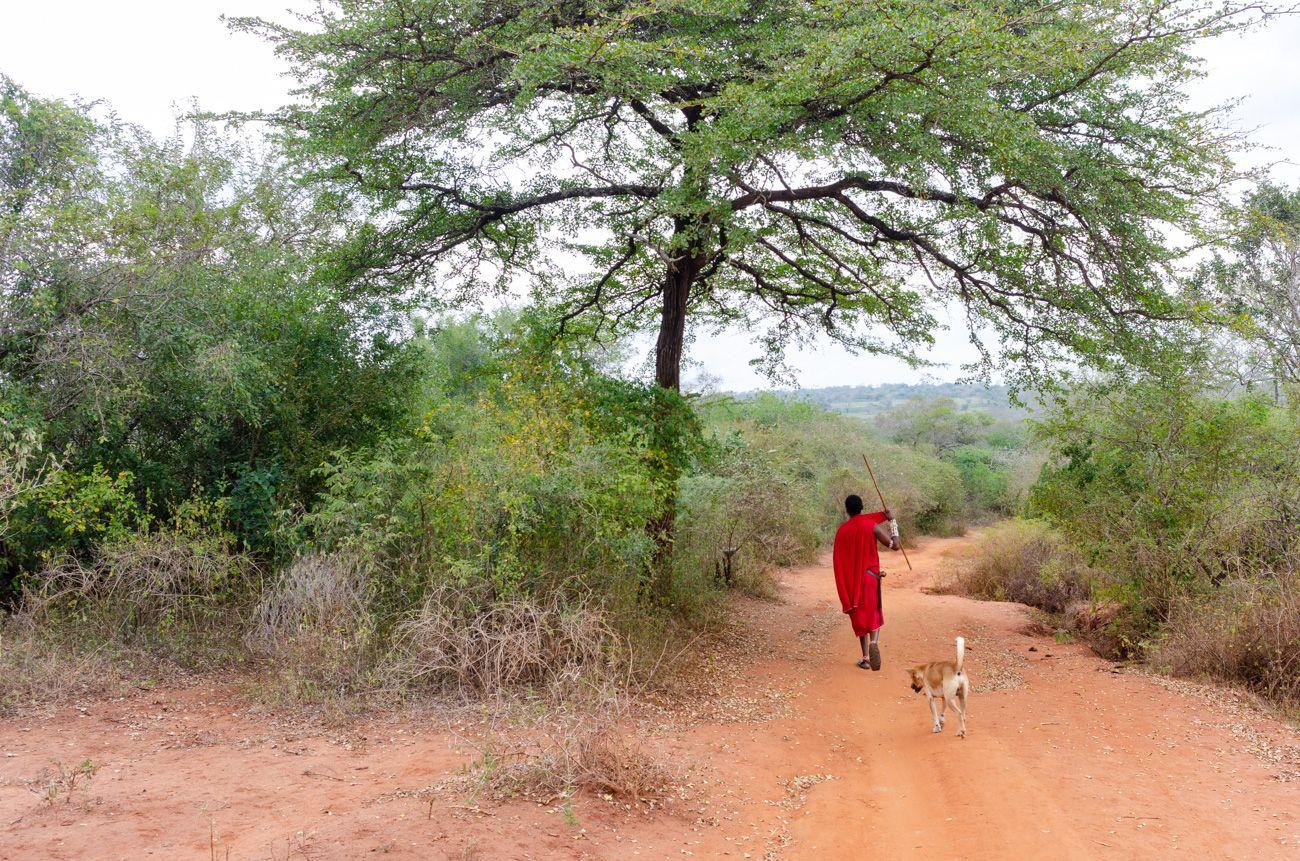
There were many roads in the area—from the tiniest paths meant only for goats and Maasai walking hunched over, to trails for cows, people, and motorcycles, and finally to roads that were suitable for cars.
In our country, no one would let pedestrians on a road like this—especially given the heavy rains that dig deep gullies into the sloping surface. It’s evident from the fact that along roads with trenches, you’ll see massive cacti and trees that don’t grow anywhere else in the bush. These plants can store water when it flows around them and survive the entire dry season. The trenches beside the road are so deep they could serve as trenches in a war between someone and the bush. Who would possibly launch an attack from the bush? Furious ostriches, perhaps?
That would be strange, especially since ostriches don’t live in the bush. But there are plenty of strange things there. And I’m still curious about who they’d even fight against. Probably ostriches from the other side of the road. If you ask me, trenches on the road aren’t designed for ostriches—their heads would stick out no matter what. They’re simply not trench-compatible. But enough about ostriches for today.
In Handeni, for example, the nearest bigger town, there are canals nearly a meter deep and about three-quarters of a meter wide. They’re found alongside every road.
While video chatting on WhatsApp, my mom saw the canals and asked if anyone ever falls into them since they’re clearly unsafe.They do. On the bright side, when someone falls in, at least they’re easy to find. Maybe they leave them uncovered on purpose—to make it easier to find whoever fell in. There’s a certain logic to it.
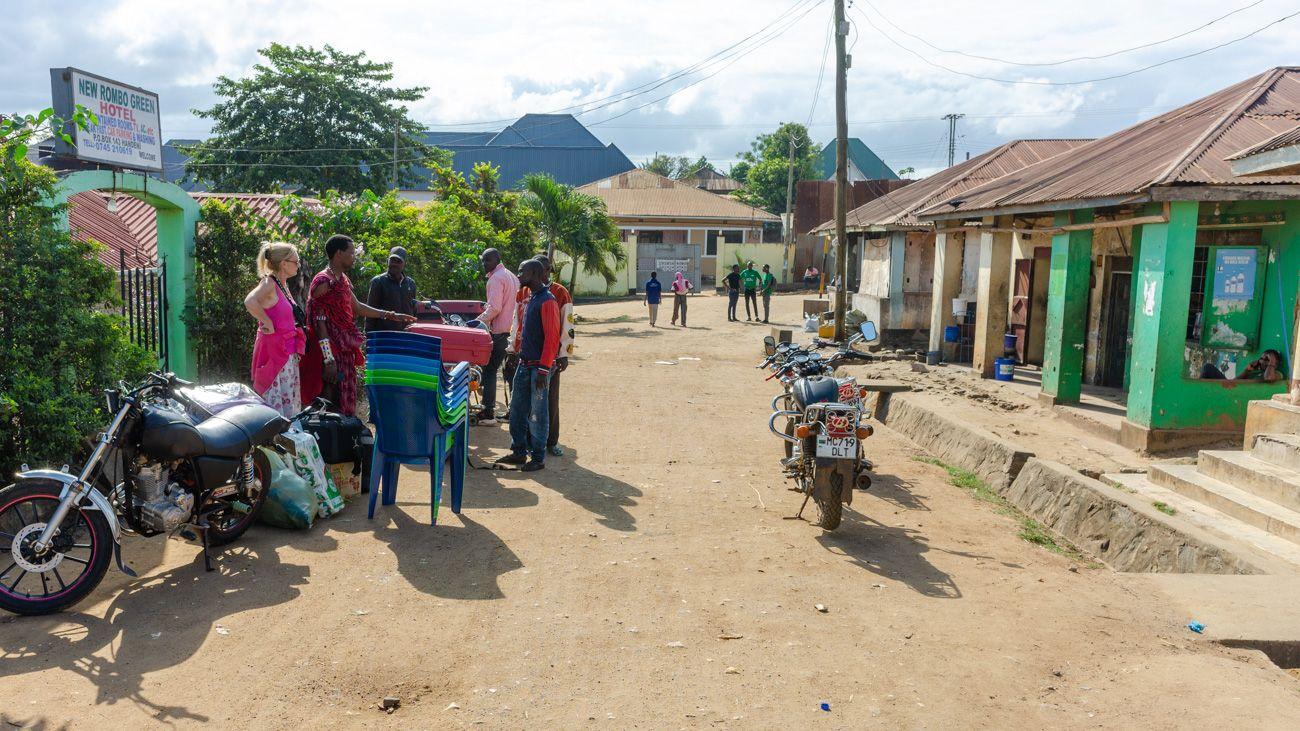
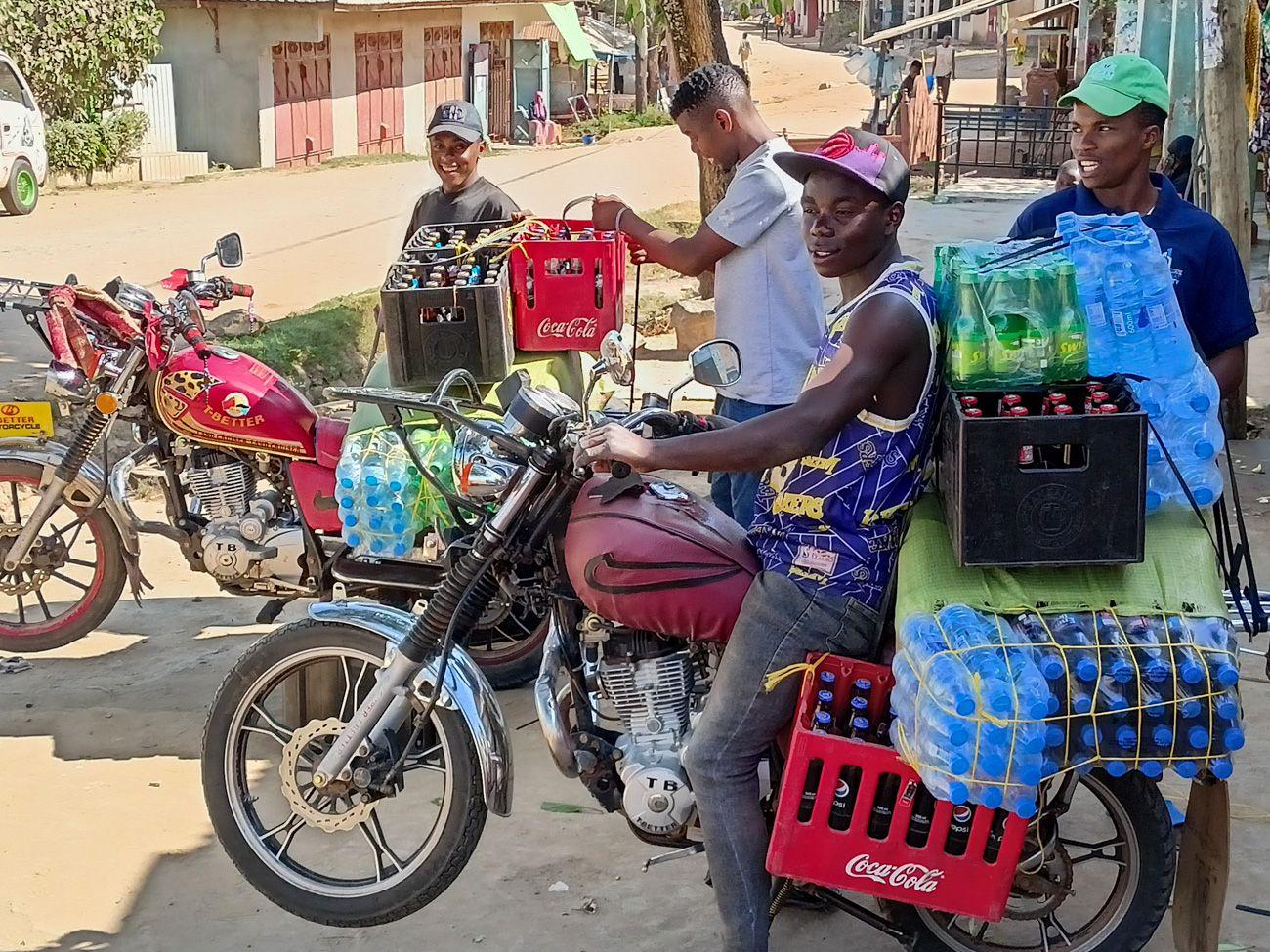
The supreme ruler of Lengusero’s roads is the trusty piki-piki, but it’s got a specialized doppelgänger called the boda-boda. They appear identical, yet the boda-boda is your pay-to-ride cargo carrier. Think of it like the difference between driving your own car and hailing a cab. I’ll keep these two-wheeled wonders brief here, because I plan to give them a thorough spotlight in another chapter. In Lengusere, motorbikes lug around pretty much anything—from refrigerators to supplies for local stores. Sometimes you’ll see one of these contraptions loaded with five people, two colossal sacks of corn, and, perched on top of that precarious tower, one more soul sitting a full meter higher than nature ever intended.
Motorbikes are especially popular because the roads turn into post-rain obstacle courses. A motorbike can gracefully dodge gaping potholes, happy with just the narrowest ribbon of solid ground—just a few dozen centimeters—and off it zooms. Cars, meanwhile, demand a broader, sturdier path. Using a car in this region comes with its own brand of fun. If you’re brave (or foolish) enough to tackle these roads in a regular sedan, you’d better bring along two shovel-wielding companions. And for a truck—fondly called a “Fuso” round these parts—you’ll need a troop of eight. Sure, they can’t save your vehicle if it topples off into the scenery, but if it plunges into a hole the size of a small whale, they can usually dig you back to freedom.
The longest journey we took on a piki-piki motorbike was the trip to Handeni. It leads to a larger town about 40 kilometers away, with approximately 100,000 residents. Despite that, it looks entirely different from what you might expect.When I got to Mbogoi in early June, half of the road was already wrecked. There was only a narrow, worn track for motorbikes, patches of sand up to 30 centimeters deep, and ditches carved by water along the sides. By the time I left, the road was wide, rolled flat, and perfectly passable.
Steamrollers with Chinese inscriptions, water tankers, and construction crews had arrived in the area and completely repaired the road in just two months. They also completed five out of eight bridges to make the route more convenient. Oddly enough, the bridges aren’t for crossing rivers or valleys. Instead, they’re meant to keep rainwater flowing downhill from washing away the road. The bridges, however, weren’t repaired by the Chinese but by Africans. There were so many of them that, at times, the bridges themselves couldn’t even be seen—they were entirely swarmed by people who looked like they were working.
The speed at which the road and bridges were repaired is actually bad news for the locals. A year ago, electricity was brought to the village, and now they have a new road. Their traditional way of life is slowly but surely coming to an end.
Maintaining the footpaths people walk on is surprisingly simple. If a bush or branch starts to dangerously lean into the path—whether out of curiosity, youthful recklessness, or the dignity of old age—it gets whacked with a stick.If a bush or branch dares encroach on the path—whether driven by curiosity, youthful daring, or the wisdom of age—it’s met with a single decisive strike. Passersby deliver a single, precise hit. Maasai always carry a stick with them—it’s a multipurpose tool for everything from leaning on, to herding cows, to disciplining unruly bushes. Interestingly, each passerby strikes only once.Thanks to this simple yet effective strategy, the paths remain clear—not just for people, but also for cows—and even for the mzungu.
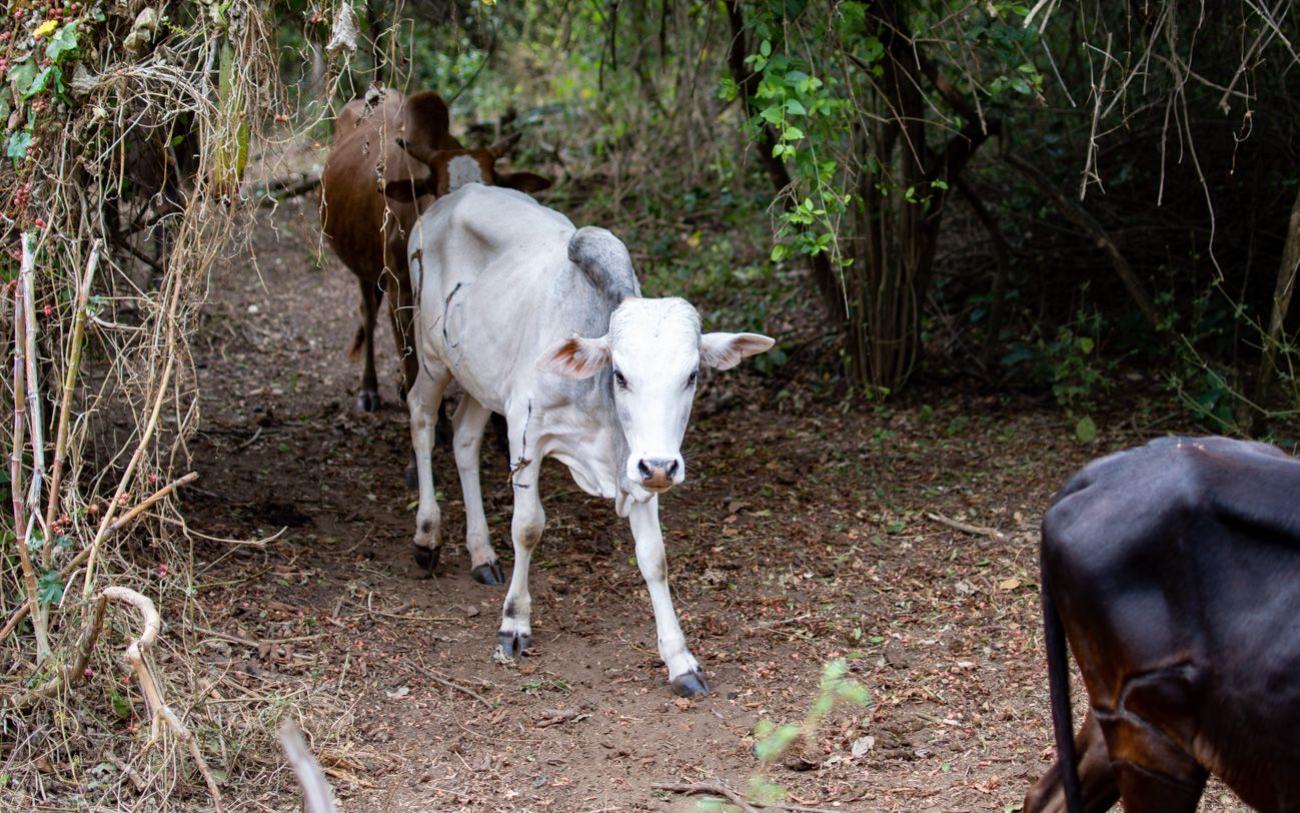
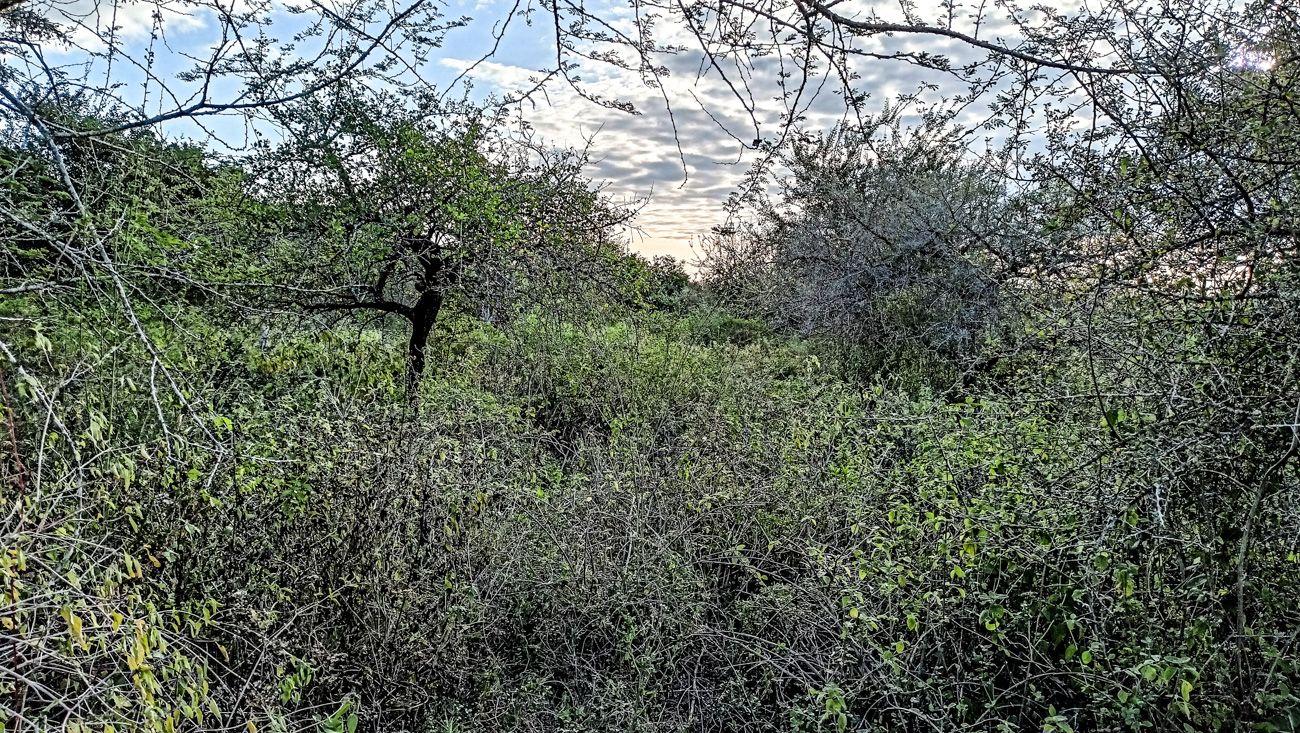
I guess by now you’ve realized there are multiple levels of path quality, all naturally formed and each serving its own curious purpose. The funniest footpaths are definitely the ones reserved for cows. They’re roughly a meter high, with shrubs arching overhead, clearly plotting to maim you, shred your clothes, or leave prickly burrs everywhere. Those burrs work their way into anything—boxers, shoes, you name it—and you’ll still be finding them days after your expedition. The Maasai approach is brilliantly straightforward. They stoop to about a right angle and zip through the tunnel in no time. It’s like watching a cartoon, minus the swirling dust. And yes, they’re almost certainly real people, not doodles—though sometimes you do wonder.
I’ve had it happen more than once while herding cows: falling prey to a special backward-hook bush. Its only ambition is to undress you, lock you down, and pin you right where it caught you. Being the classic mzungu, of course, I couldn’t tell which bush might stab me, which might latch on, and which was simply standing by, entertained by the white guy wrestling the shrubbery. I’m convinced that next to every “grabby” bush waits a carnivorous plant that missed breakfast and is pondering whether I’d make a decent meal. Then again, at least I’d learn if I’m easy to digest.