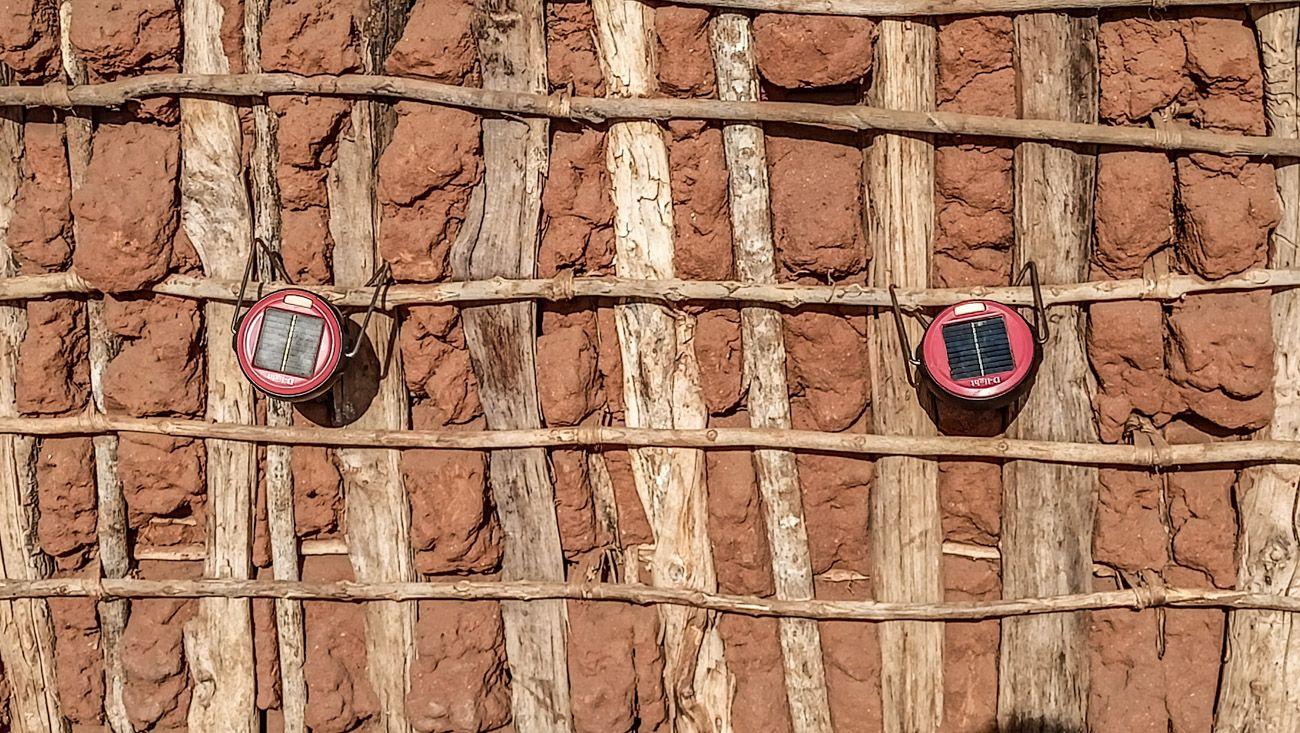
Mbogoi wasn’t exactly untouched by electricity, but until now, it only had solar power, known locally as just “solar.” With it, a few phones could be charged, and in some shops—including ours—a large fridge for drinks ran on solar. While the sun shone during the day, the fridge worked—at night, it didn’t bother. So, it’s high time for umeme. That’s Swahili for electricity—remember this word, as it’ll come up often.
Boma Solar—it sounds like a rapper’s name.
Just as Russia began its electrification in 1920, 104 years later, at the end of 2023, electrification arrived in Mbogoi. In Russia, this unstoppable progress was greeted with fear, gratitude, joy, and anxiety. In Tanzania, it was met with indifference. Electric poles appeared in the village, often in the most nonsensical locations. Power lines scribbled across the sky, while locals went on with their lives, unfazed. I missed the moment electricity came to Mbogoi, but when it was installed in the house—Renča’s house—at the start of June, I witnessed it myself.
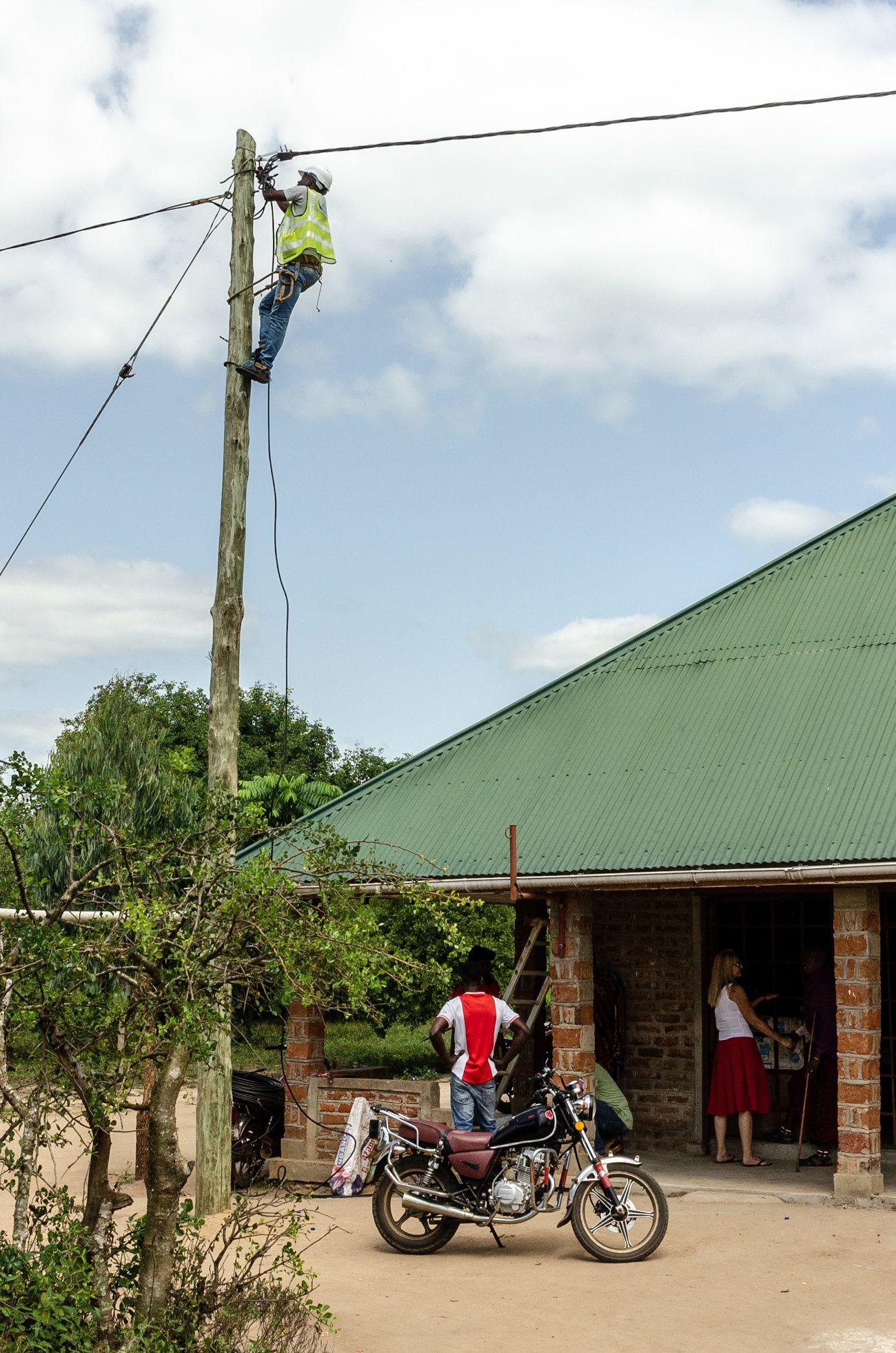
The umeme fundi and their meticulous approach to detail.
Men in overalls arrived, climbed the poles, and installed electrical cabinets in places where they weren’t needed. They scribbled some nonsensical instructions on them and left. Electricity only worked in half the Since it didn’t work, I climbed up to the attic to check what was wrong. If a spark accidentally ignites at the connection, the explosion will lift the roof about 40 meters into the air. And if we’re lucky, it’ll fall somewhere near the house, so we won’t have to carry it from too far away. The Maasai don’t know when New Year’s is, nor do they celebrate it—not with fireworks or firecrackers. This explosion, however, could mark a precise moment in time, the perfect excuse to blow something up again.
The umeme fundi and the delicate balance between electricity and human life.
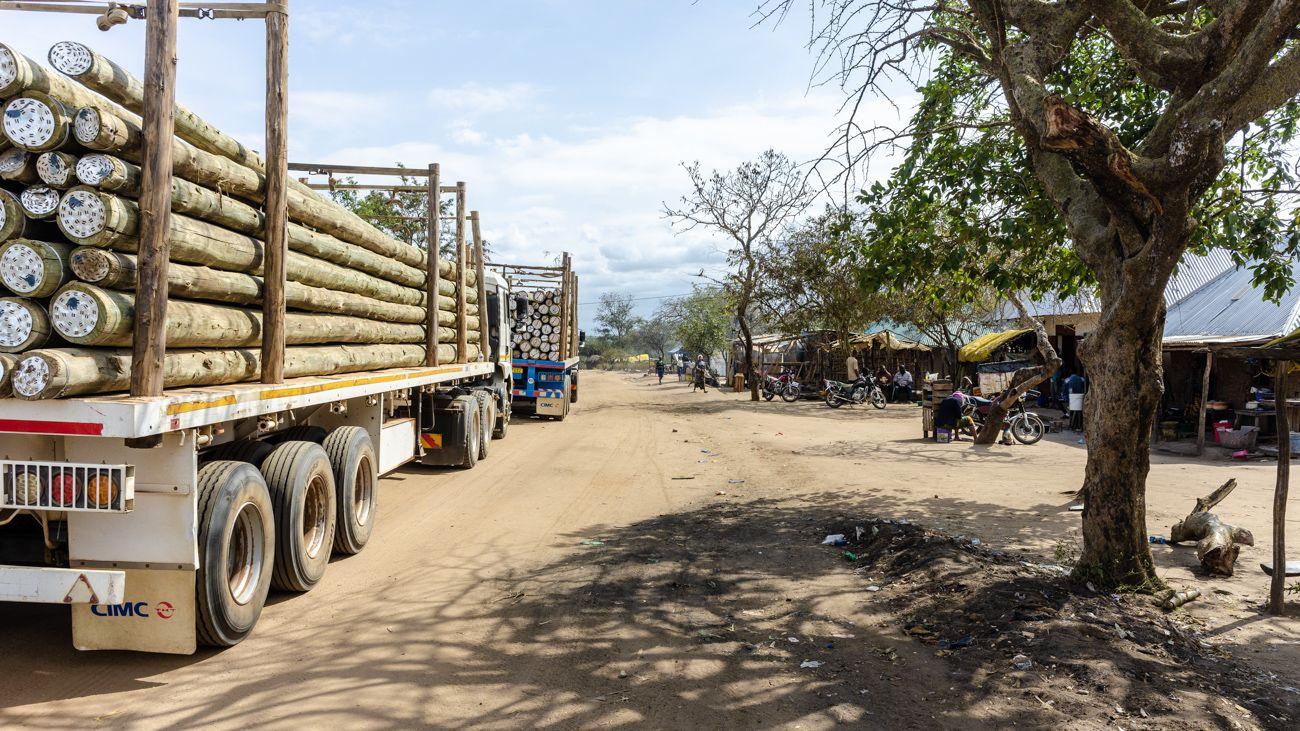
I can’t imagine how the wires in the attic could be repaired. You could only walk on the crossbeams, holding the roof supports with one hand, shining a flashlight with the other, and somehow using a third If I slipped and stepped on the roof instead of the beam, I’d fall straight through the attic into the house below. I know a gift from the heavens is always welcome, but let’s save that for another time. A few days ago, two large trucks loaded with poles were parked in the village, likely destined to become utility poles for extending the power grid. This suggests that they’re planning to bring electricity further past Mbogoi, though I’m not sure where—it’s not like there’s much out that way. Maybe the cows complained that their hair curlers weren’t working in the bush. With their prior experience limited to 12-volt solar systems, no one here has been seriously zapped or killed by electricity yet. I tried to educate them: “Electricity can kill you in a second—treat it like you would a leopard. Electricity isn’t a cow.” It never occurred to me that I’d ever say those words
This is a video taken before the electricity safety training.
This is a video taken after the electricity safety training.
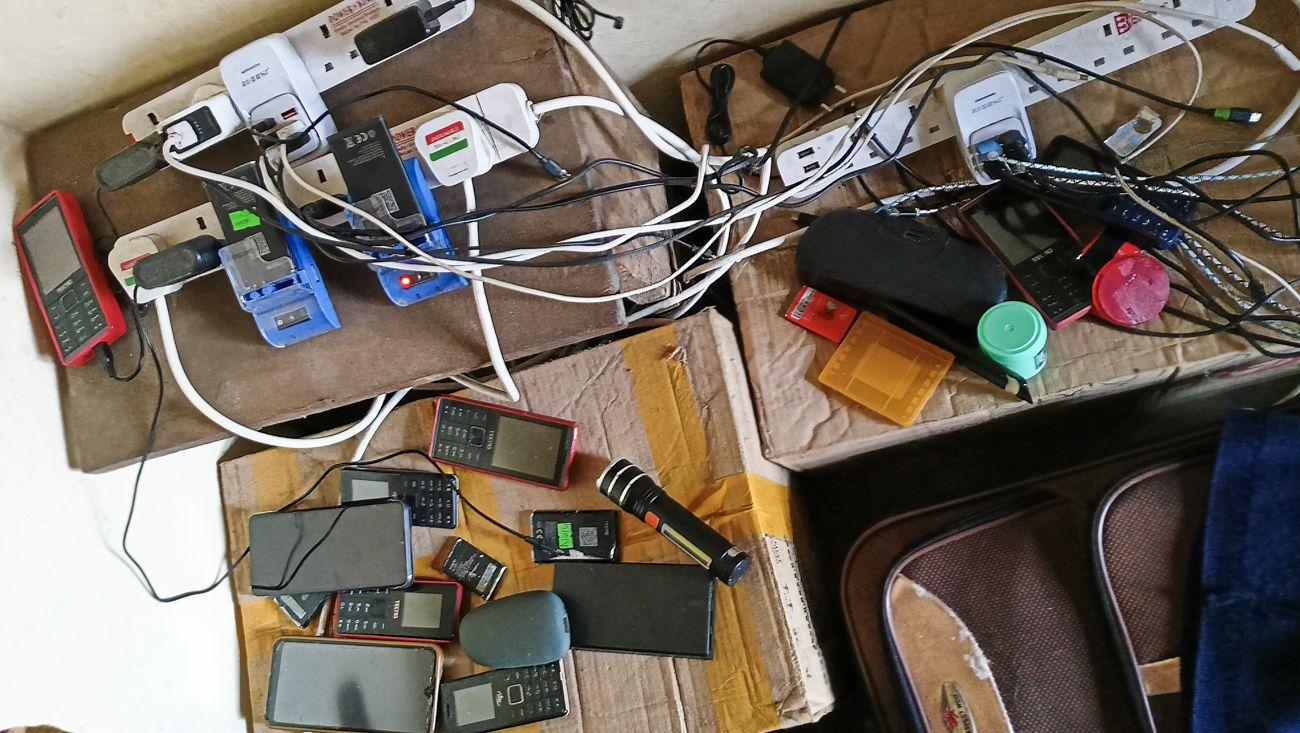
Right after electricity was introduced, our shop began to fill with mobile phones plugged into chargers, though these were just fleeting brushes with umeme. The first notable step of progress arriving at our house was transferring the fridge from Alojz’s. Alojz, ever the pioneer, conqueror of unknown lands, and local avant-garde, was among the first to get electricity. The fridge was used to freeze meat sold in the restaurant. True to tradition, the power was unreliable, and the meat in Alojz’s freezer sometimes defrosted. The freezer reeked from a hundred meters away, like a rendering plant. All the Maasai insisted it didn’t smell, claiming that’s just how proper meat should smell—but let’s not discuss it any further. I can still smell it now.
Mbogoi’s Central Energy and Communication Point.
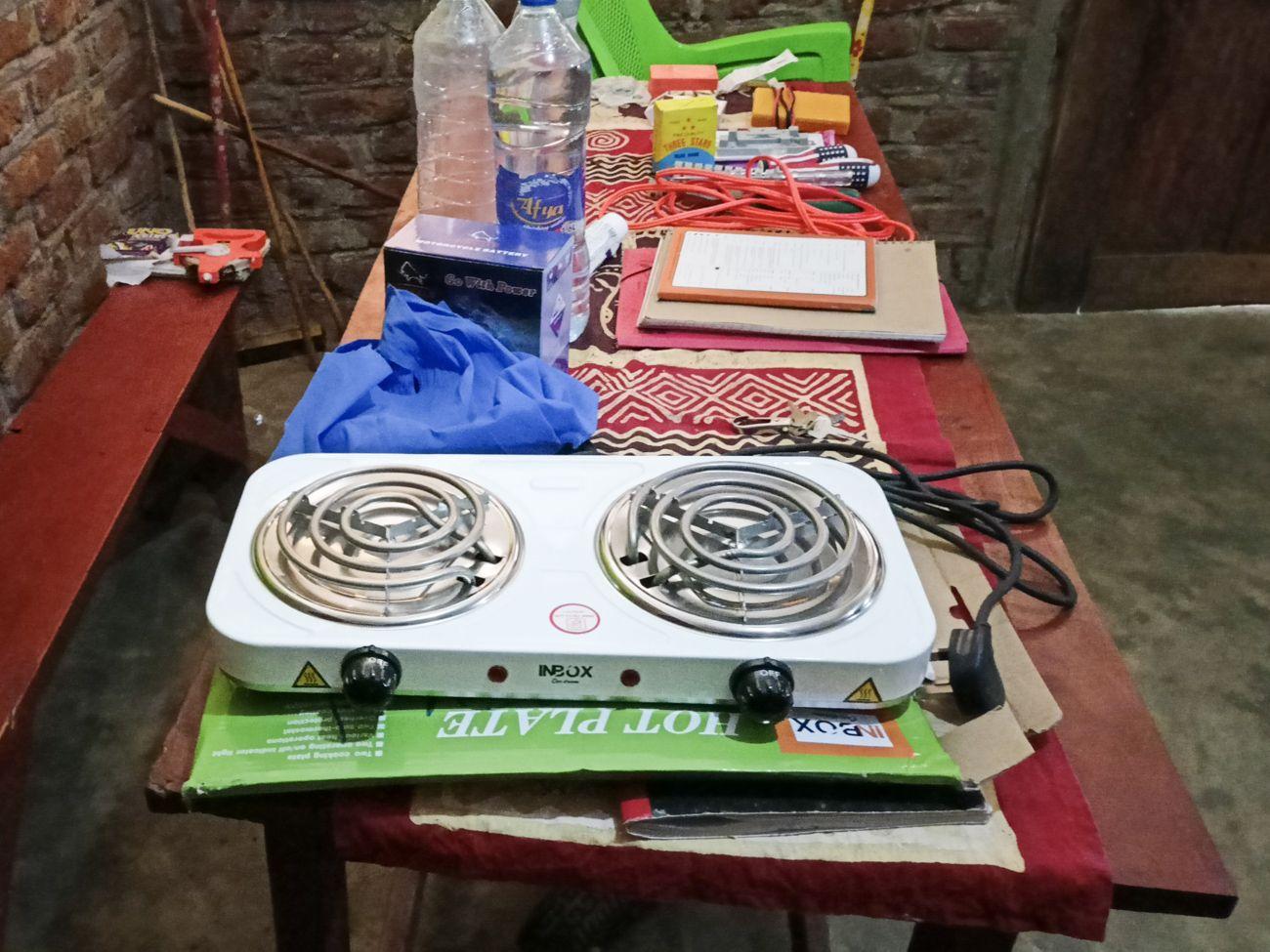
Alongside worldly pleasures like the fridge, umeme also brought a new addition to our home—a two-burner electric stove. After some initial cautious poking to check if it heated when turned on and stayed cool when off, we moved on to other questions. Why didn’t it heat when plugged in but switched off? Or when switched on but unplugged? After these entertaining experiments, we finally realized the stove was meant for making tea. You might think it’s a trivial matter, but brewing tea in the era of progress demanded true concentration and dedication. Since the electricity often failed, the shift from a small djiko stove to an electric burner had disastrous effects on our hydration habits. Despite this, I believe that if Edison had seen it, he would have cried tears of joy.
For now, it’s just a two-burner stove. We’re eagerly awaiting our first full oven.
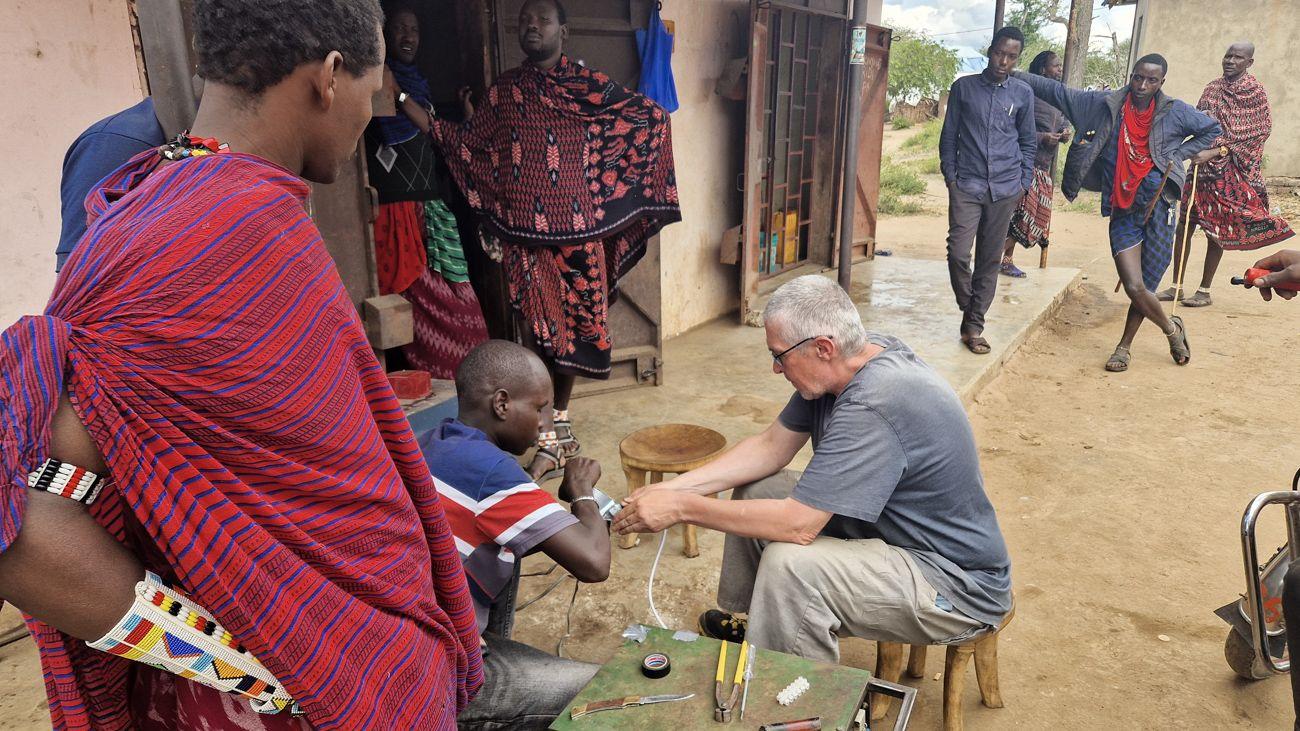
Since they had no respect for electricity and didn’t believe it could actually kill them, I came up with an educational aid. We’d create a lake near Mbogoi, stock it with electric eels, and send the locals for a swim. I figured that direct contact with reality and a few days of tingling limbs would etch a permanent mnemonic But, as usual, it all remained in the realm of fantasy. Since my protective instincts know no bounds, I decided to install a socket on Alojz’s wall. I also added a plug to the welding machine to ensure everyone survived the introduction of electricity. Armed with a screwdriver, pliers, duct tape, and some connectors, I set off to Alojz’s place with the courage of a young lion, a bold gaze, and a vision of a brighter future. After all, who better than me—the mzungu umeme fundi (white guy, electrical expert)? Four hours later, the hooks were still dangling on their hooks, the welding machine hummed cheerfully, The surrounding Maasai watched my failure with eyes full of pity. And yes, they were all there.
Even four-handed synchronized work with Kojkaj didn’t help.
I haven’t yet mentioned the amazing tools we managed to buy in Handeni for working with electricity. For example, a universal measuring device that can gauge current, voltage, resistance, and other nonsense no normal person cares about. This specific gadget could detect voltage even in places it didn’t exist. When the test electrodes were held in the air, about 20 cm apart, the device measured 10 volts. It was like someone saying, “Do you feel the tension in the air?”—except this tool could actually measure it. Fortunately, after taking ten readings and averaging them, you’d get an approximate value.I also had a magical screwdriver. When it touched a live wire under umeme, the bulb inside it lit up. It was simple: bulb on—electricity present. Bulb off—no electricity. Bulb on—electricity is. Bulb off—it isn’t. Electricity is. Bulb off—it isn’t. You might find my repetition tiresome, but trust me, this is a matter of survival. So here’s the quiz: When the bulb in the screwdriver handle lights up—is there electricity? Okay, okay, I’ll drop it now.
The scene was set with trucks, brand-new power poles, and umeme fundi equipped with helmets.
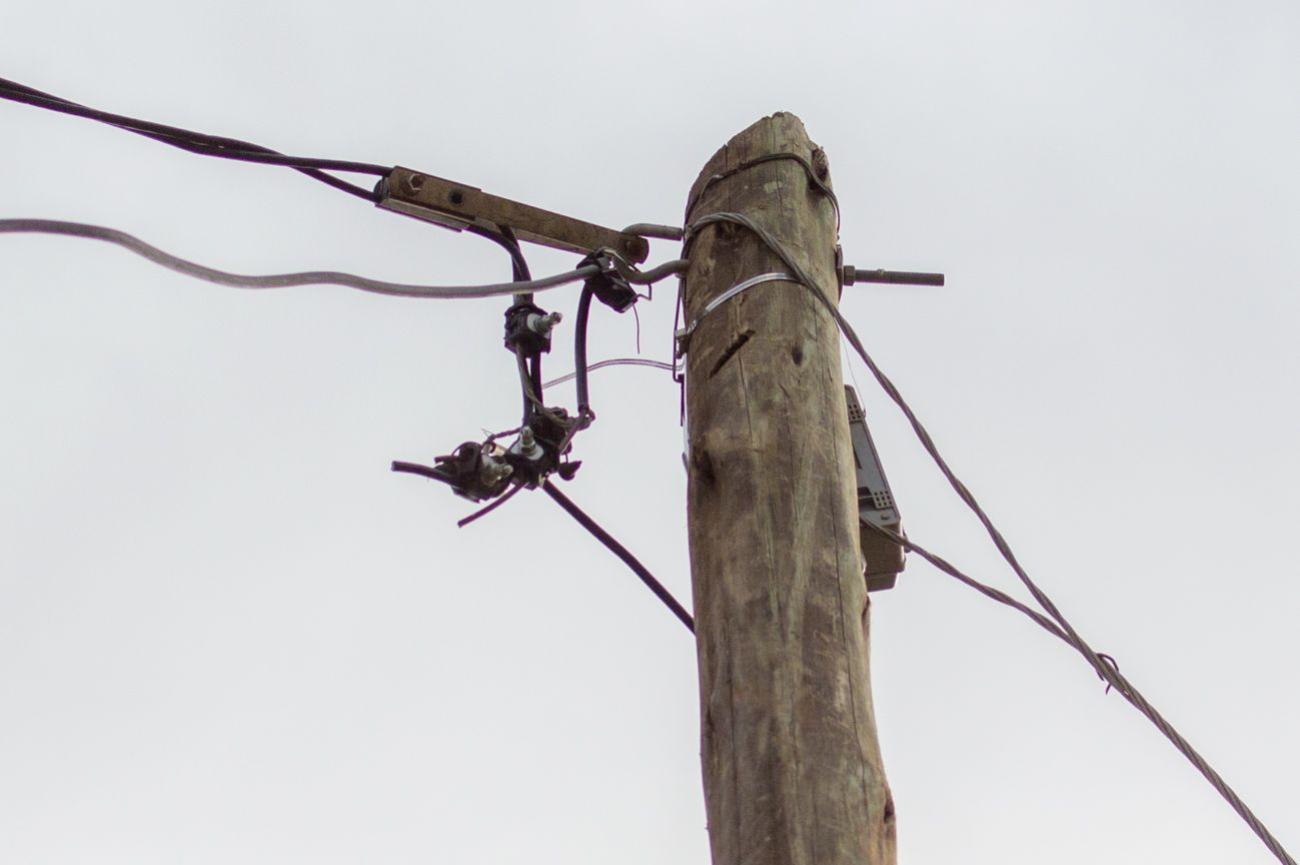
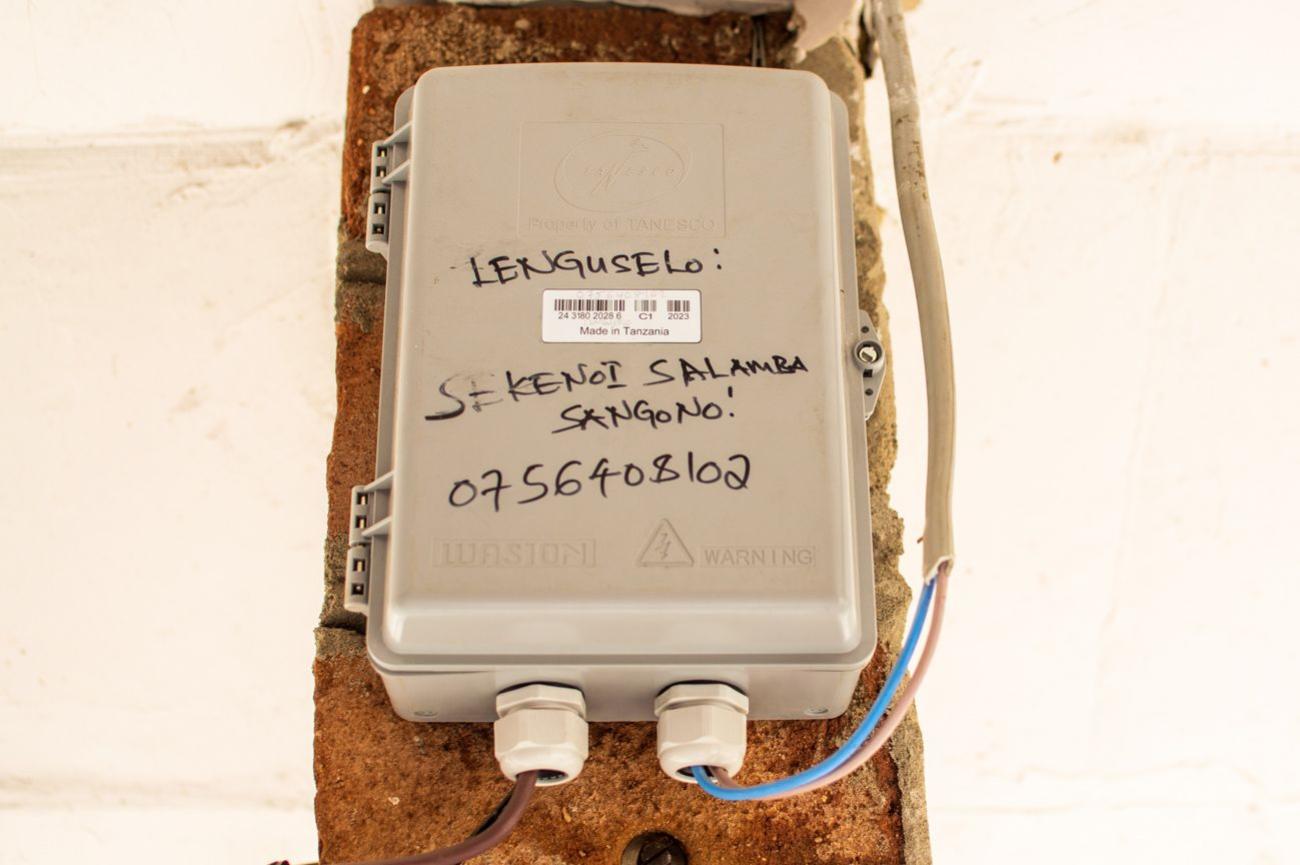
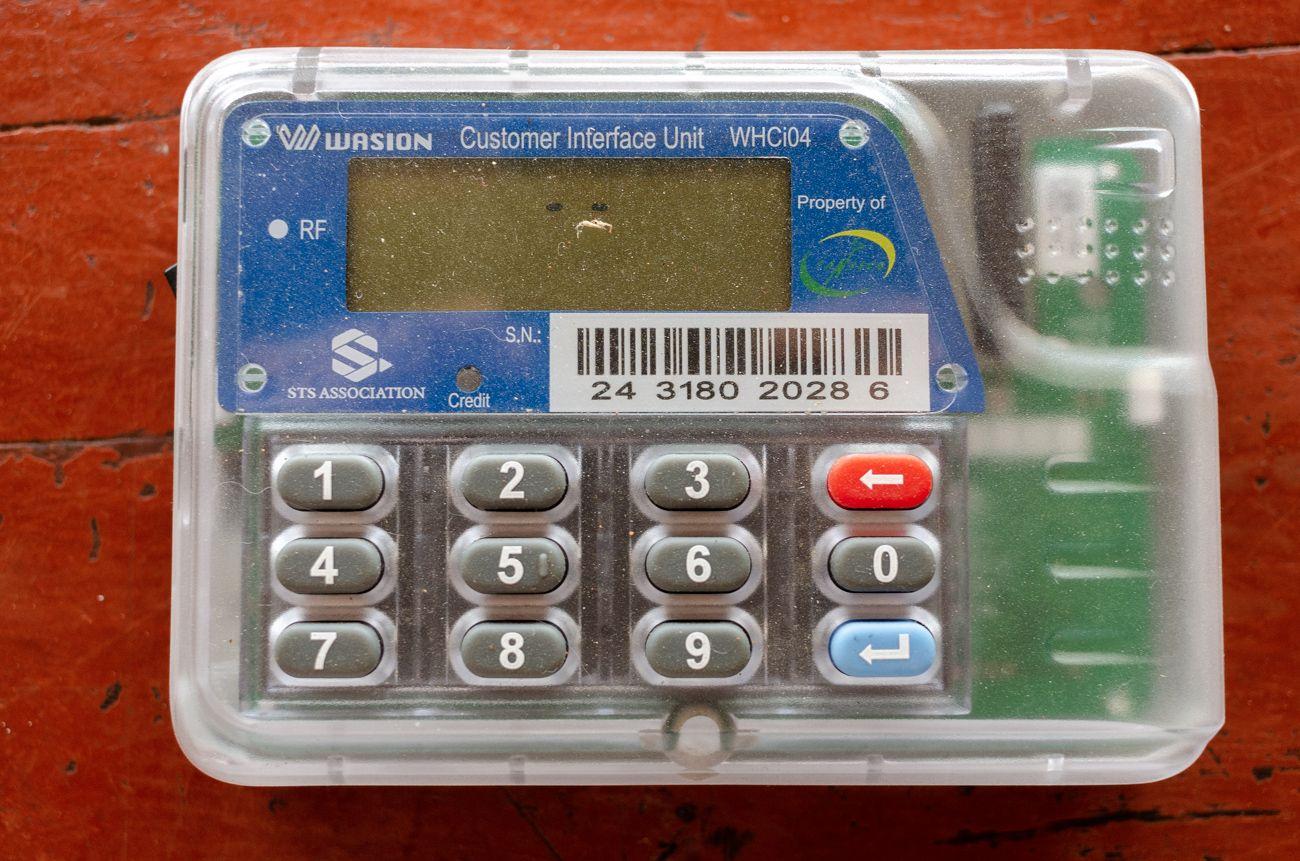
When electricity was introduced into the house, men in overalls and safety helmets arrived, their Equipped with big, vibrant tools, they installed a gray box on the house pole, meant to remotely manage electricity. This box allowed the power company to issue commands to turn electricity on or off remotely. In practice, however, this remote control system proved rather chaotic, as entire branches of wires were cut off regardless of whether payments had been made. But no one minded—it quickly became part of everyday life. They also provided us with a small white box, which could connect remotely to the larger gray box. By entering numerical codes, it would display how much electricity we had left, how much we’d used, the voltage, and other equally irrelevant details.There’s a funny story tied to this. Since most consumers couldn’t read, when the electricity was out for more than a day, everyone assumed their balance was unpaid and rushed to settle it. A queue formed at the wooden shack that managed all cashless transactions—anyone, anywhere, anytime, for anything—a sight never before witnessed.
A remotely controlled box for remote control.
One gray box didn’t go without its own amusing story. Just as they mounted a gray box on the house, they installed one on the restaurant as well, since Renča planned to have electricity there too. She struck a deal with a wise-looking fundi in overalls and a helmet to install a fuse box for the restaurant. He promised to come back and do the job. He was never seen again. The next part of the tale was even more suspenseful. About a month and a half later, two Swahili men appeared, without helmets or overalls, dressed casually. Judging their sharpness under the midday sun was no easy task. Their claim was that the box served no purpose. (Note: Of course, it wasn’t being used—there was no fuse box connected to it.)
They planned to dismantle and remove it, reasoning that it was unnecessary. Sekenoi, ever the shrewd and worldly-wise Maasai, didn’t trust them. So they all headed beyond the village to where there was mobile signal. The two Swahili men called someone, handed the phone to Sekenoi, and a voice on the other end said, “Yes, they can dismantle and take the box.” Move over, science, particle accelerators, and DNA testing—a phone call is the gold standard for proof. After some yelling and debating, they reached a compromise: the box would be dismantled but left in the house to prevent theft. The trustworthy voice on the phone would come pick it up in person. The best part of the whole operation? When the gray box was removed from the restaurant, they left the bare wires sticking out. These wires provided free electricity.
A remote control for a remote box for remote control.
When they finally got umeme electricity, I came up with a brilliant idea. The Maasai chants sung by the men—“susame umba umba hanba hamba”—are filled with obscure, outdated, and backward words. So, I suggested to Sekenoi that they start singing “umeme umeme umeme” instead. A celebration of progress, of course. He claimed it was silly and assured me it would never catch on. But about two weeks later, I spotted a Maasai standing in the classic singing stance, shrugging his shoulders in that rhythmic way they do while I’m the only mzungu Maasai lyricist.