People in Africa wear clothes. According to old travel books, that wasn’t always the case—especially women were said to wear almost nothing—but from what I’ve seen, people in Africa are dressed. I don’t know about the whole of Africa, because I haven’t been to the whole of Africa, only to a small slice of it. But in that slice, everyone I saw was fully clothed. Clothes seemed more important to the locals than anything else—more than food, more than education, more than just about anything. I can die of hunger later – first I need to look like a king. As soon as I arrived in Handeni, even though it was probably just an ordinary Wednesday, I noticed how the women walked around dressed as if they were heading to a royal reception—bright colors, shiny fabrics, turbans like tropical crowns. I assumed there must have been a national holiday, that they’d been dancing at a ball all night and were now drifting home at dawn. I was wrong. That was simply the default setting. Glossy fabrics. Loud colors. If they could, they’d probably wear a blinking banner just to increase their saturation level.
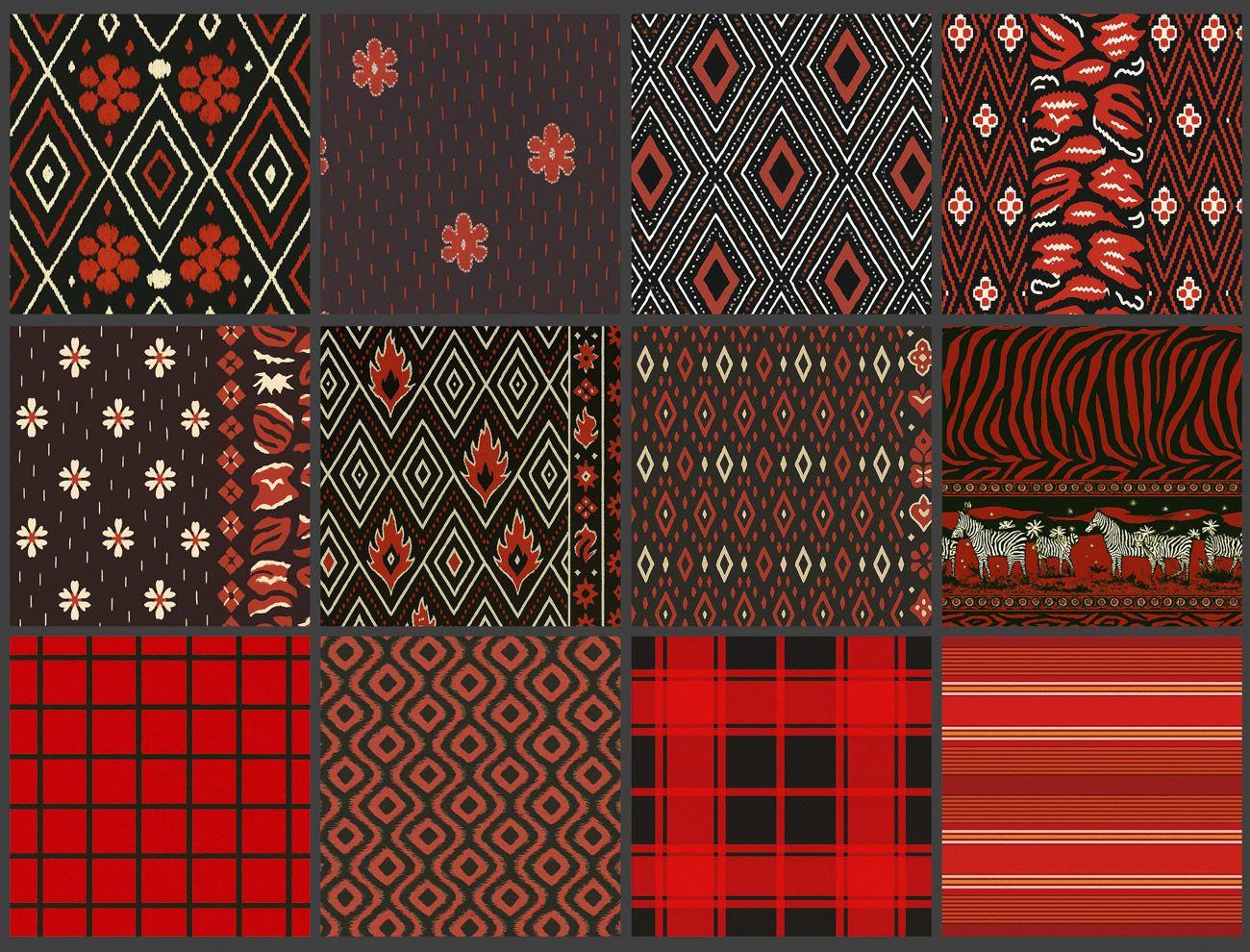
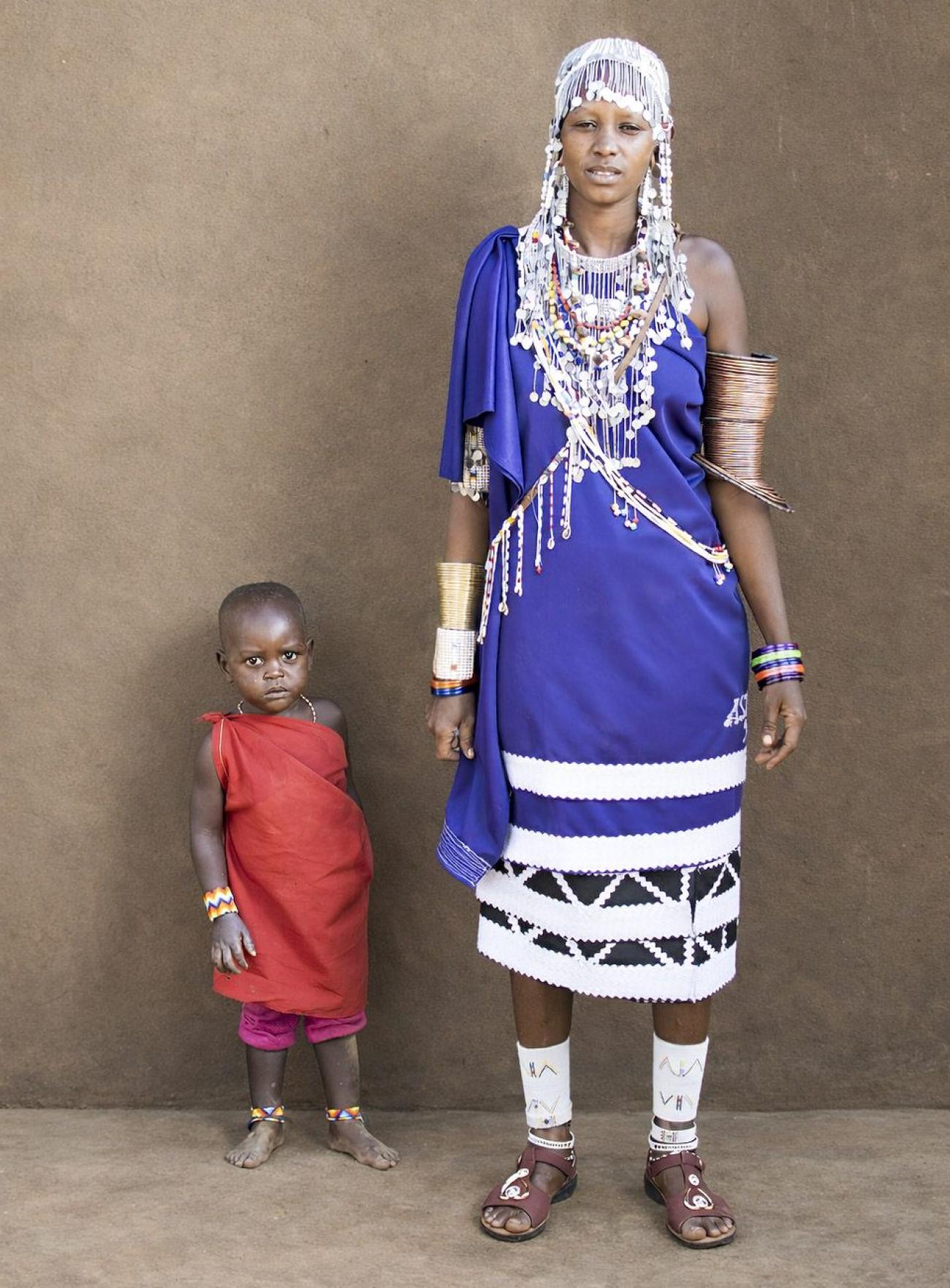
The patterns were spectacular—everything from Scottish-style checks to zebras that looked like they’d just escaped a circus. Even the single-color fabrics looked ceremonial. Everyone wore something different, even if at first glance it all seemed the same. Maasai women, on the other hand, had it easier. Purple dresses, identical cut, shaved heads. They all looked almost the same. They’d be clones, really, if only nature had agreed on one standard model.
It made me wonder what would have happened if, long ago, when someone decided that this would be the official Maasai outfit, they had chosen spacesuits instead. Picture this: cows strolling through the bush, a Maasai in a spacesuit behind them, meeting another Maasai in a spacesuit. “Hello, any news?” They haven’t seen each other for at least twenty minutes. “I can’t hear you, I’m in a spacesuit.” “I see your lips moving, but I can’t hear you either, I’m in a spacesuit.” “I’m in a spacesuit, but I think I’m running out of oxygen.” And he faints. Which clearly proves that spacesuits are not an ideal solution for the bush. They would collapse Maasai culture in record time. In short: no spacesuits.
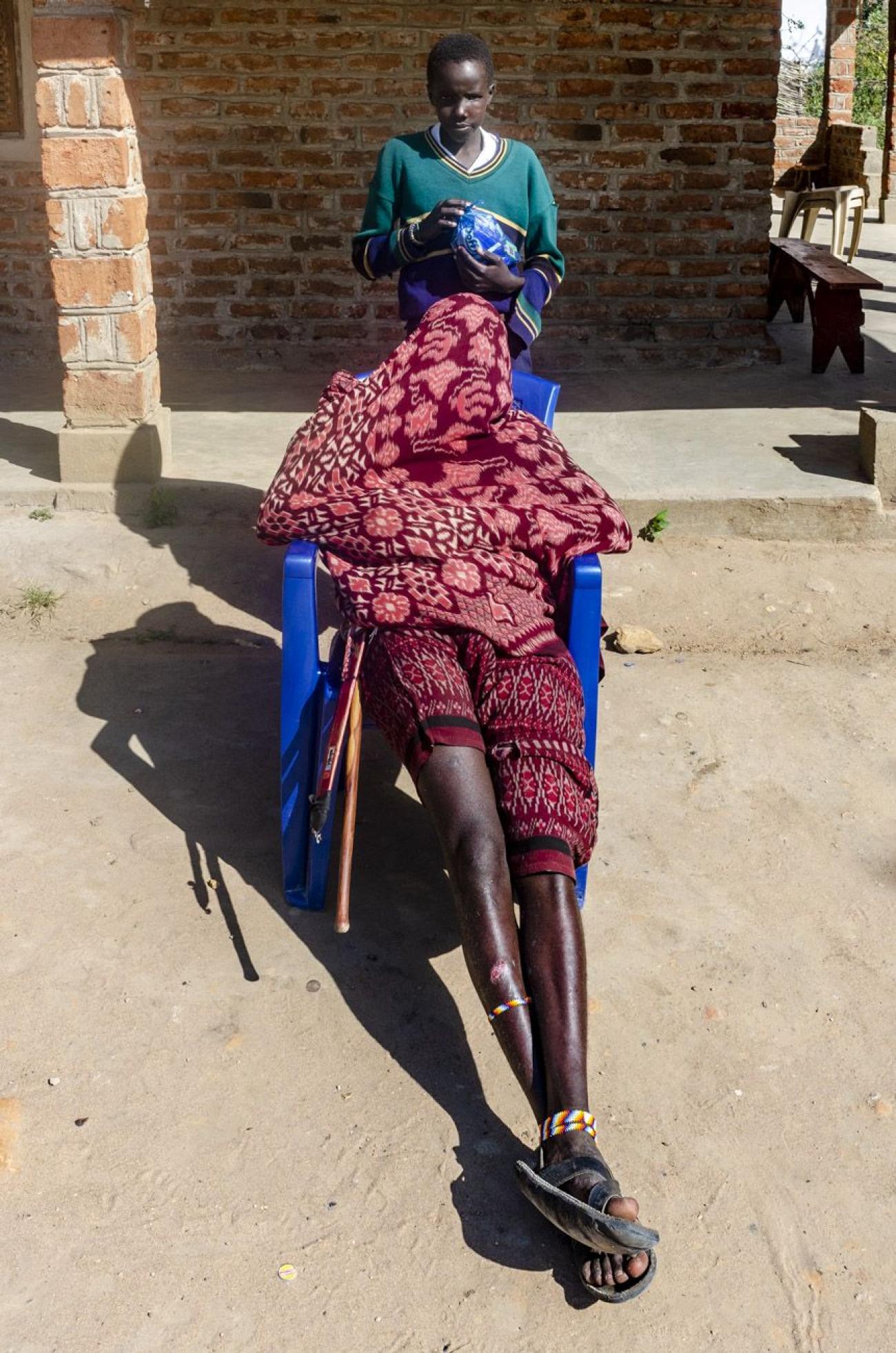
Traditional Maasai cloth robes have one enormous advantage—they are all-day, all-night garments. Nonstop fashion. At night they double as a sleeping bag. At least I think so. I never actually slept in a house with Maasai. That might have disadvantages for them, because compared to them I am definitely not slim and I definitely snore. Besides that, warriors included weapons as part of their outfit, so in the evening they took those off—unlike the robes—and in the morning, as soon as they got up, they put them back on and wore them all day. It was very practical, because when they walked through the house with those weapons, they could knock things off the table with them. Every single time they passed by.
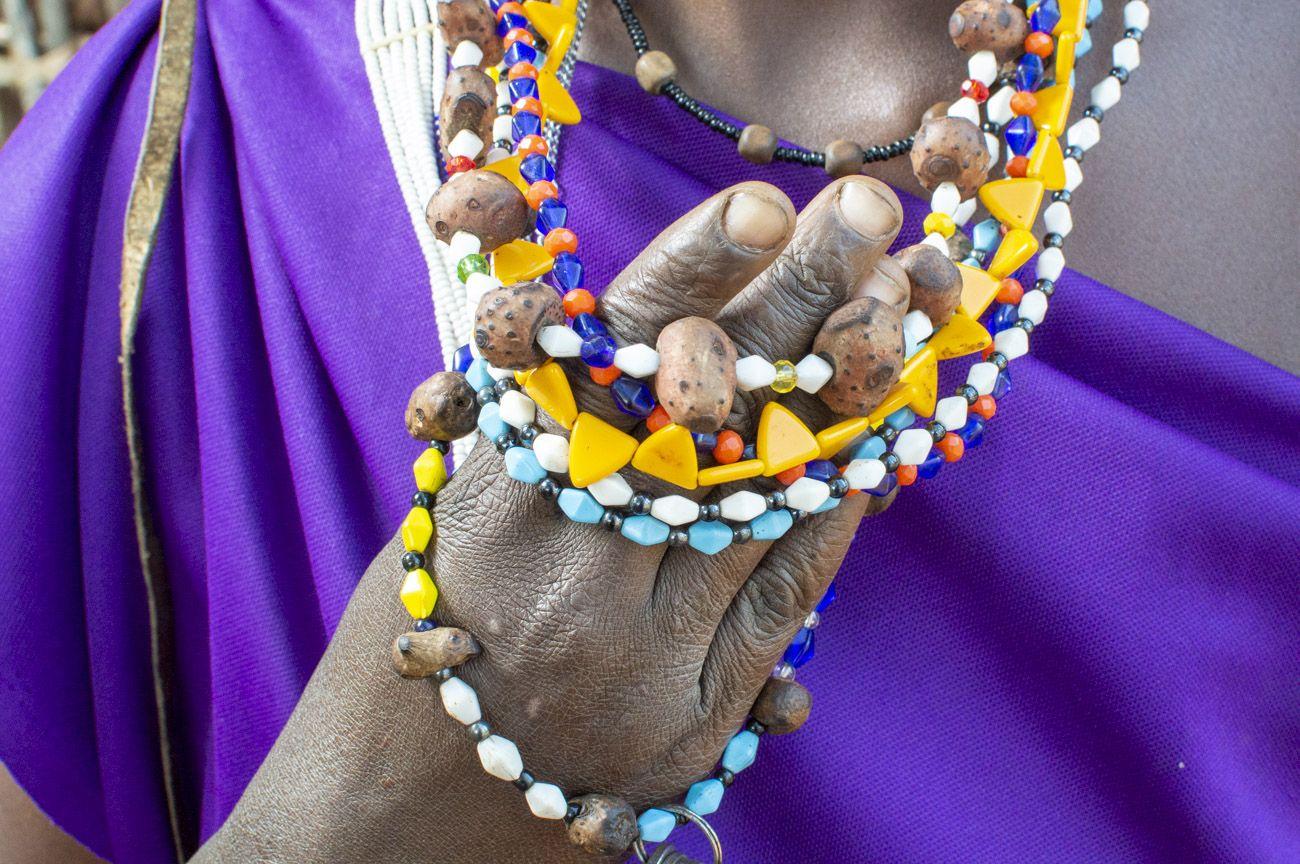
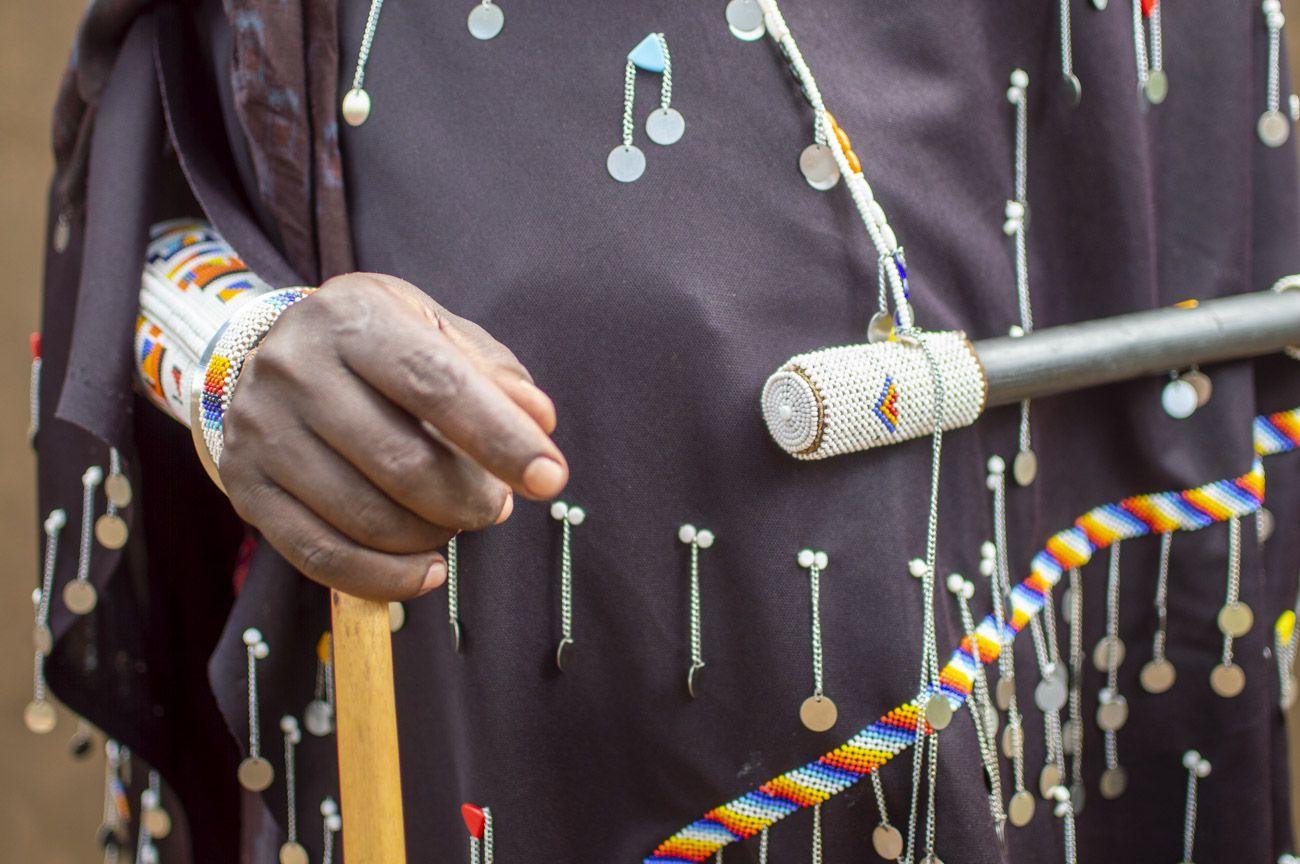
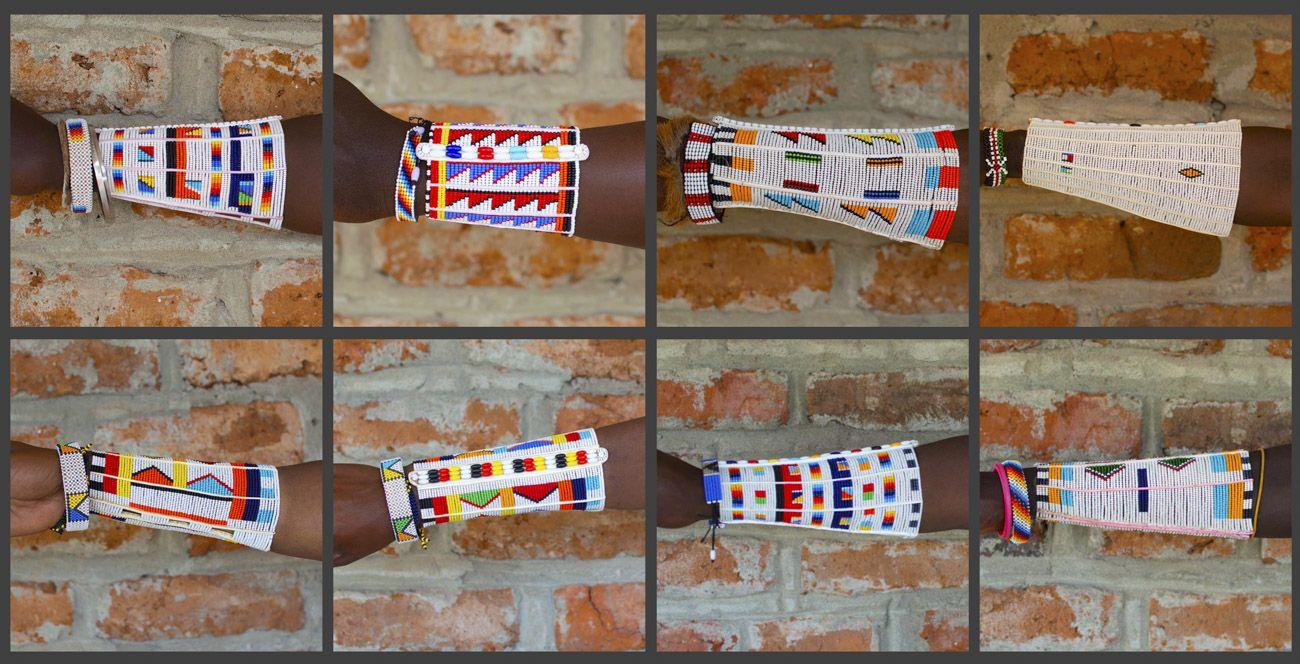
Seeing a Maasai warrior on a regular weekday without beads in every color known to humanity means he is not a Maasai warrior. Their affection for bracelets, necklaces and ornaments sometimes borders on fanaticism. Fanatics of all nations, unite—and hang yourselves in beads! My favorites were the emusitai—wide bracelets, about twenty centimeters across, worn on the forearm. They were expensive, handmade, each one unique. The funniest part? They were sewn on permanently, so they couldn’t be taken off. Another very popular decoration were small metal discs with a hole. If they were coins, there would have to be a Maasai National Bank issuing small change before every celebration so people would have something to decorate themselves with. But there is no Maasai National Bank—if only because it would have no authority to declare national mourning in case the coins ran out.
Women have it arranged completely opposite to what we’re used to. The men walk around overloaded with beads, hair extensions and vivid patterns, and the women all wear identical purple dresses. Of course they like to decorate themselves too, but they cannot compete with the intensity of the warriors. I have a funny story about that. I bought about thirty bead necklaces on request and unwisely left them on the table. Within two minutes, two Maasai women were standing there, already trying them on. For the life of me I couldn’t explain that I was taking them home. Only when Renča, in her calm but firm manner, explained that the necklaces were not to be taken, did the shouting subside and the beads were returned—with deep incomprehension. And I almost forgot the children. They were dressed just like the adults. Certainly not the same garments—unless the goal was to watch them drag yards of fabric behind them like confused little caterpillars.