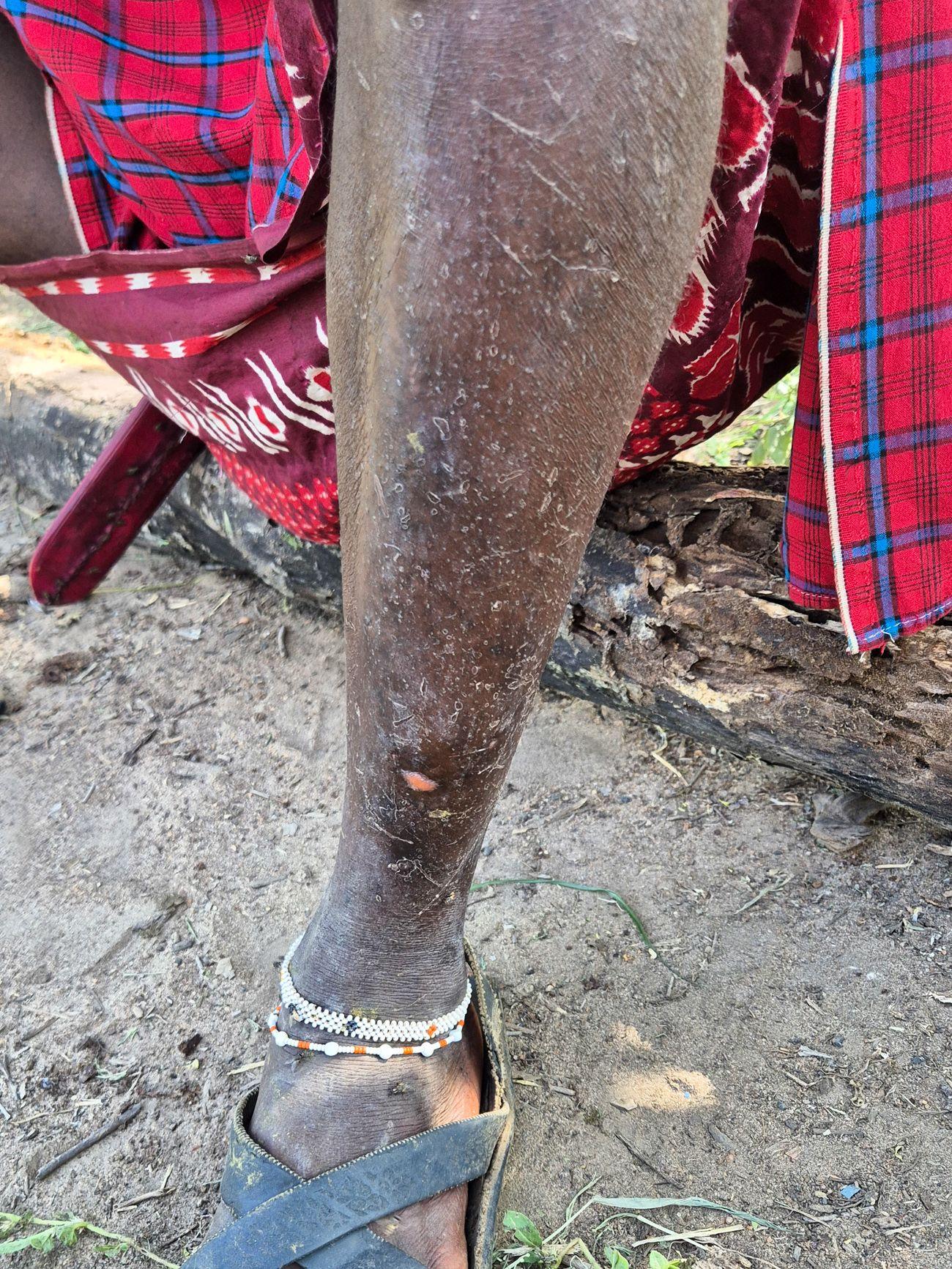
The most common war wound in Maasai country is a dainty exhaust‑pipe burn. Almost every day a proud warrior would swing by, hitch up his shuka and show off a fresh bacon‑strip on his shin. This happened with such clock‑like regularity that I started to suspect the motorbikes had joined the Great. Machine‑vs‑Human Uprising and were quietly slow‑roasting Maasai for lunch.Naturally, my theory has a few loose bolts. If the bike actually ate its rider, who would sit on the saddle next? More to the point—who would pour in the petrol? The poor thing would keel over from hunger. I’m taking that as solid evidence that the artificial brainpower of Chinese motorbikes isn’t quite up to scratch. Yet.
Piki‑piki Motorbikes
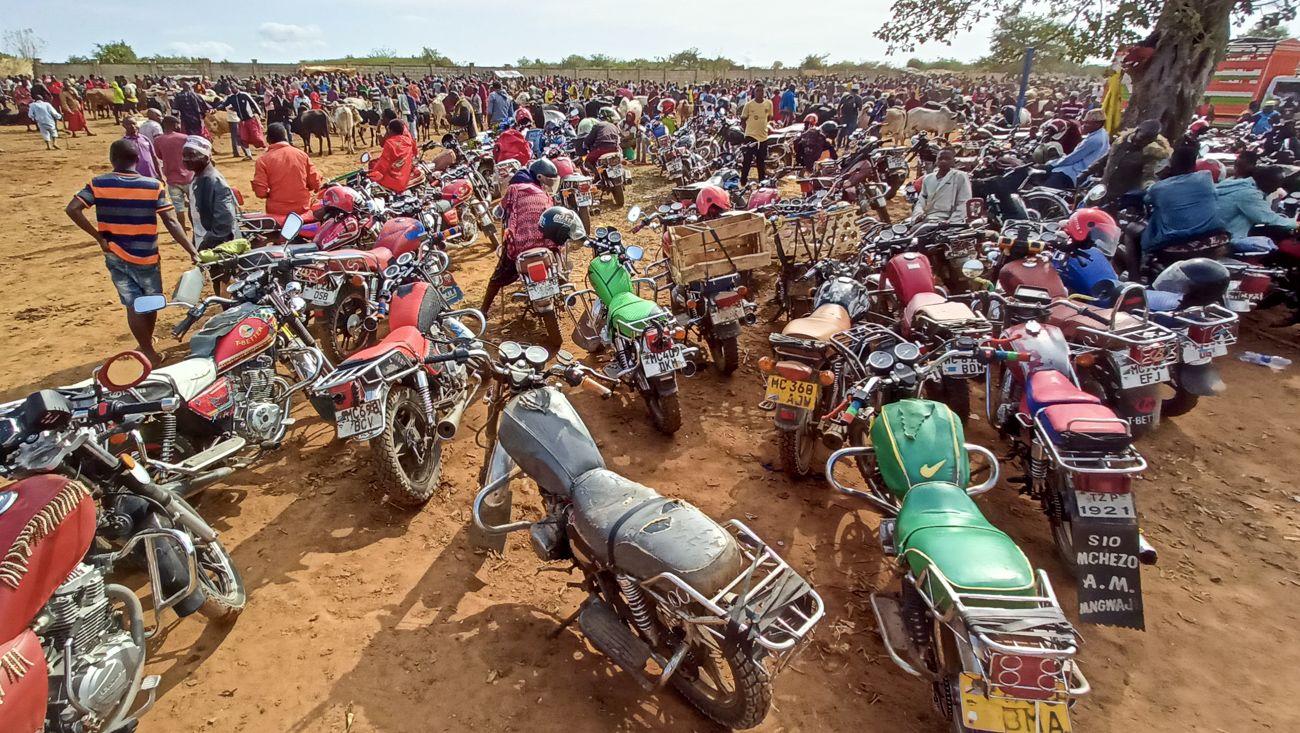
There were roughly four flavours of non‑motorised transport in Mbogoi: the bicycle, the donkey, the trusty foot, and small humans who shot downhill on homemade carts hammered together from a few planks. Otherwise, everyone, everywhere, buzzed around on motorbikes. I did bump into the odd car. Each Thursday a lorry called Fuso lumbered in for market day. Now and then a passenger car materialised—as if it had parachuted in. I even saw a yellow Jeep Wrangler parked in one boma, a three‑litre six‑cylinder monument to self‑indulgence. With Tanzanian petrol prices, that beast is so thirsty its owners had to take a cow to Handeni, sell the cow in town, and bankroll the fuel for the trip home.
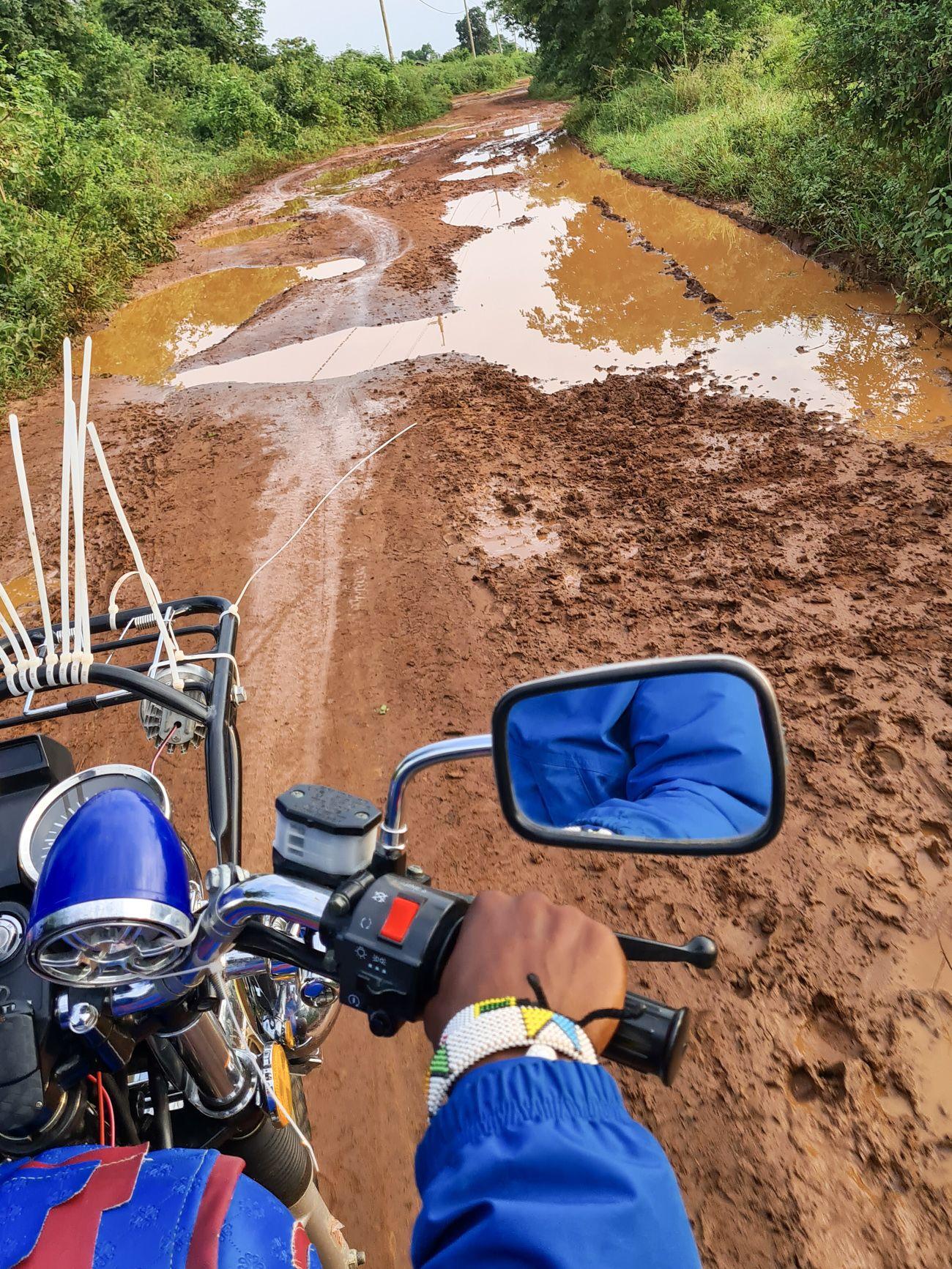
Motorbikes reign for one brutally obvious reason: the potholes are deep enough to swallow mid‑sized mammals. A truck needed eight shovel‑wielding diggers on board; a family saloon travelled with at least two, just in case it disappeared into the abyss. While I was in Africa, the Chinese—handsomely aided by local Swahili—widened and smoothed most of the main road to Handeni. They even finished five of the eight bridges, so you could finally drive straight across instead of playing scenic detours. I’m itching to see how the whole show copes once the rains start hammering. So - motorbikes. They make perfect, pothole‑proof sense.
I may be repeating myself, but motorbikes – identical down to the last bolt – actually come in two flavours: piki‑piki and boda‑boda. A piki‑piki is just a plain, garden‑variety motorcycle. A boda‑boda is the very same plain, garden‑variety motorcycle – with one crucial upgrade: the rider hands you a bill at the end. Think family car versus taxi. Because rules in Tanzania (especially in Mbogoi) are as scarce as penguins in the Sahara, any piki‑piki can morph into a boda‑boda the instant money changes hands – no atomic miracles or million‑and‑a‑half regulations required.
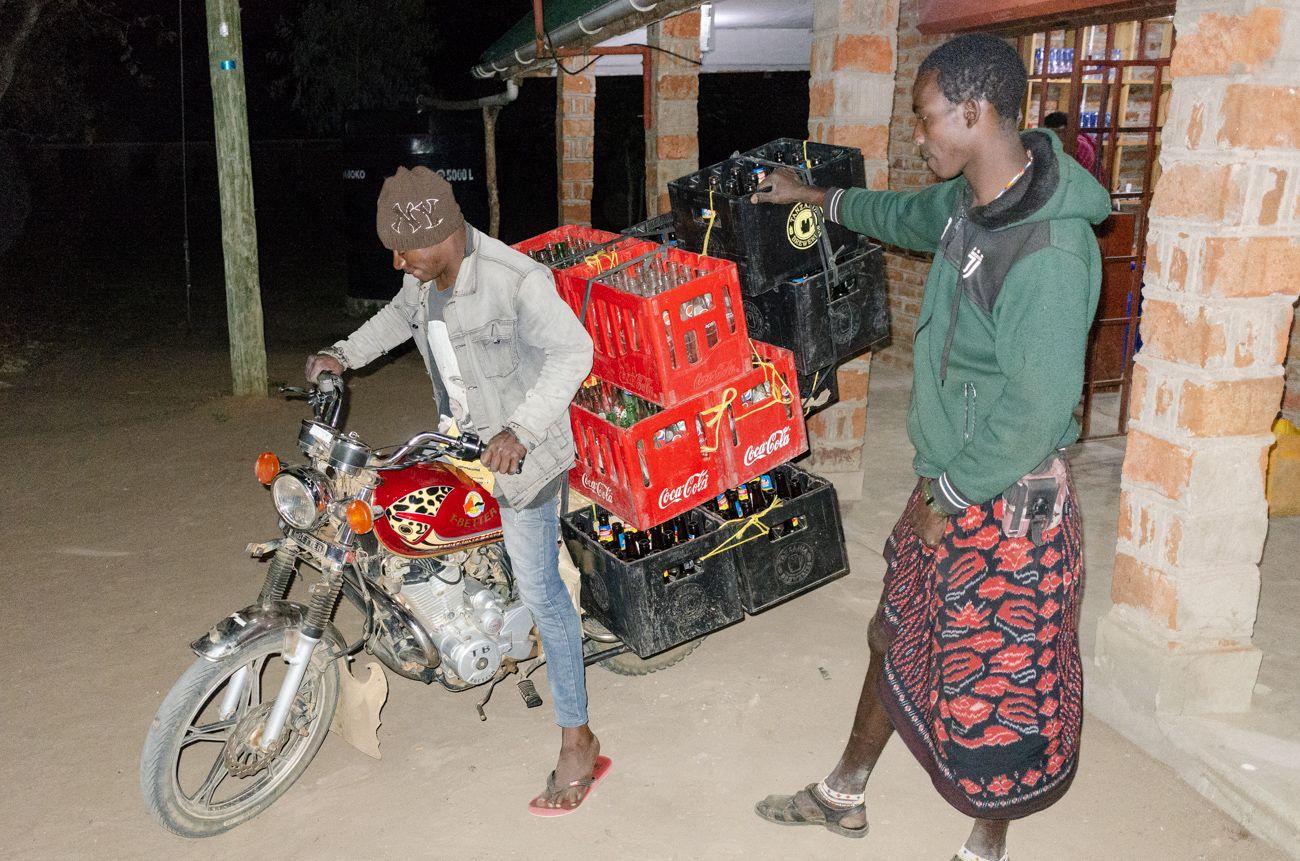
The standard head‑count per bike is two or three. Four is nothing special, and I once clocked five – though three of them were children, which probably doesn’t count. Besides hauling people, bikes double as delivery trucks. Picture a scene from a slice‑of‑life art film: a battered track shoots down a dusty, potholed lane. Up front is the driver; behind him two fifty‑kilo sacks of maize flour. On top of the sacks perches a beaming Swahili lad, poking a full metre into the sky. Each time the back wheel drops into a crater, the passenger – sacks and all – cheerfully trampolines thirty or forty centimetres. It looks like terrific fun from a safe distance. Or try this on for size: a refrigerator delivered to our house from Handeni, forty kilometres away – by motorbike, over a dirt road.
Nobody out there pretends safety is a thing. Helmets, gloves, knee‑pads, exhaust shields—why bother, when the key protective measure is that the rider spends at least three‑quarters of the journey actually looking at the road? That’ll do nicely. To be fair, on trips to Handeni everyone does slap on a helmet—the police nag them into it. Failing that, they blast the horn for a heroic age before every third blind bend. Same effect, apparently.
William is the textbook proof that all those safety gadgets are surplus to requirements. Minus helmet and body‑armour he managed to meet another bike head‑on in a corner, lounge for several painfully expensive days in hospital, total his motorcycle, spend a fortnight puffed up like an inflatable hippo, limp about theatrically—and still grin because he wasn’t dead. Tiny life pleasures like that would only be spurned by a madman. Or by a mzungu white bloke.
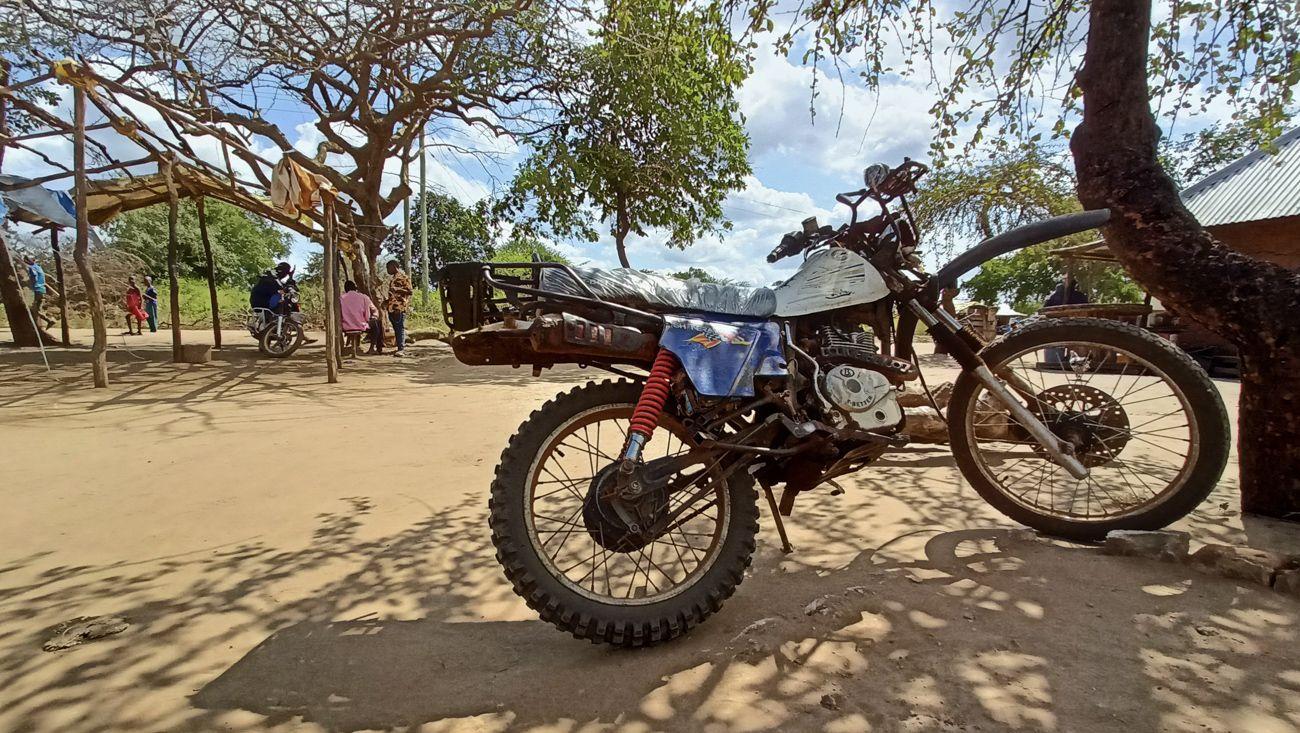
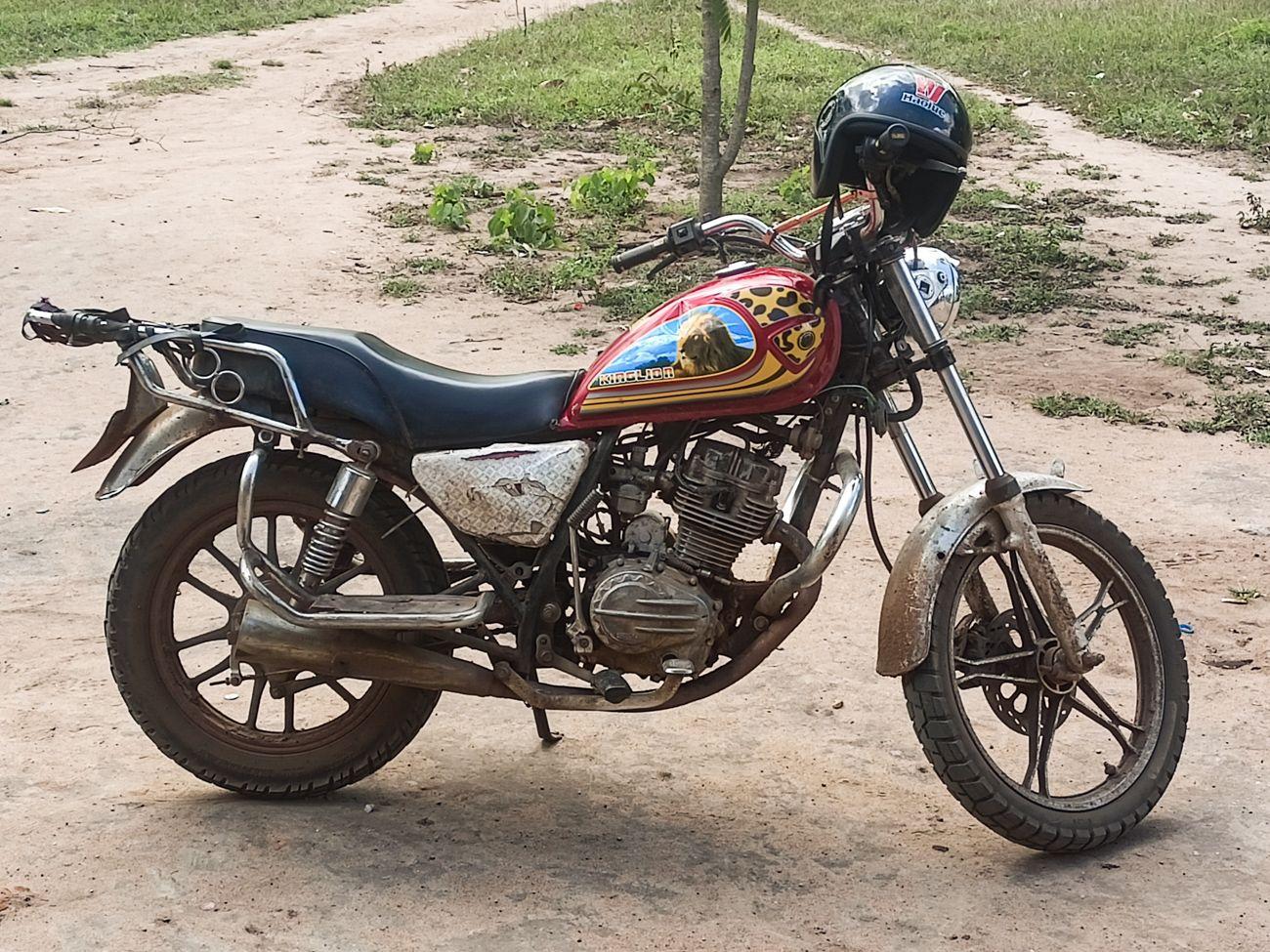
There were hordes of motorbikes buzzing about, each one dressed up in its own quirky paint job—yet every single bike was the exact same model. Same engine, same frame, all packing a mighty 125 cc, which back home we reserve for kids who’ve outgrown pedal bikes but aren’t tall enough for the big leagues. Despite the shrimp‑sized engine, the bike itself was a whopper: extra‑long seat, purpose‑built for moving more humans than the manual politely suggests. One rider? Fine. Two? Sure. Three? Why not. Four? Now we’re talking Maasai car‑pool.
Just as the district boasted only one breed of dog—the universal brown, medium‑sized, one‑style‑fits‑all African mutt—so every motorcycle was a clone of its neighbour. I assume this was nature’s way of balancing out the riot of clothing and ideas Africa otherwise throws at you…
Naturally they were Chinese machines: brutally simple and, as I discovered, absurdly durable. A shiny new one cost about a grand in euros; a pre‑dented veteran could be yours for three hundred. My favourite feature was the soundtrack—each bike chugged like a tractor fresh from its annual spa day. I kept cracking the same hilarious joke: whenever a rider puttered past, I’d ask why he’d come on a tractor instead of a motorbike. Comedy gold, right? Wrong. Nobody laughed except me. First, they didn’t get it. Second, irony is a language they simply don’t speak.
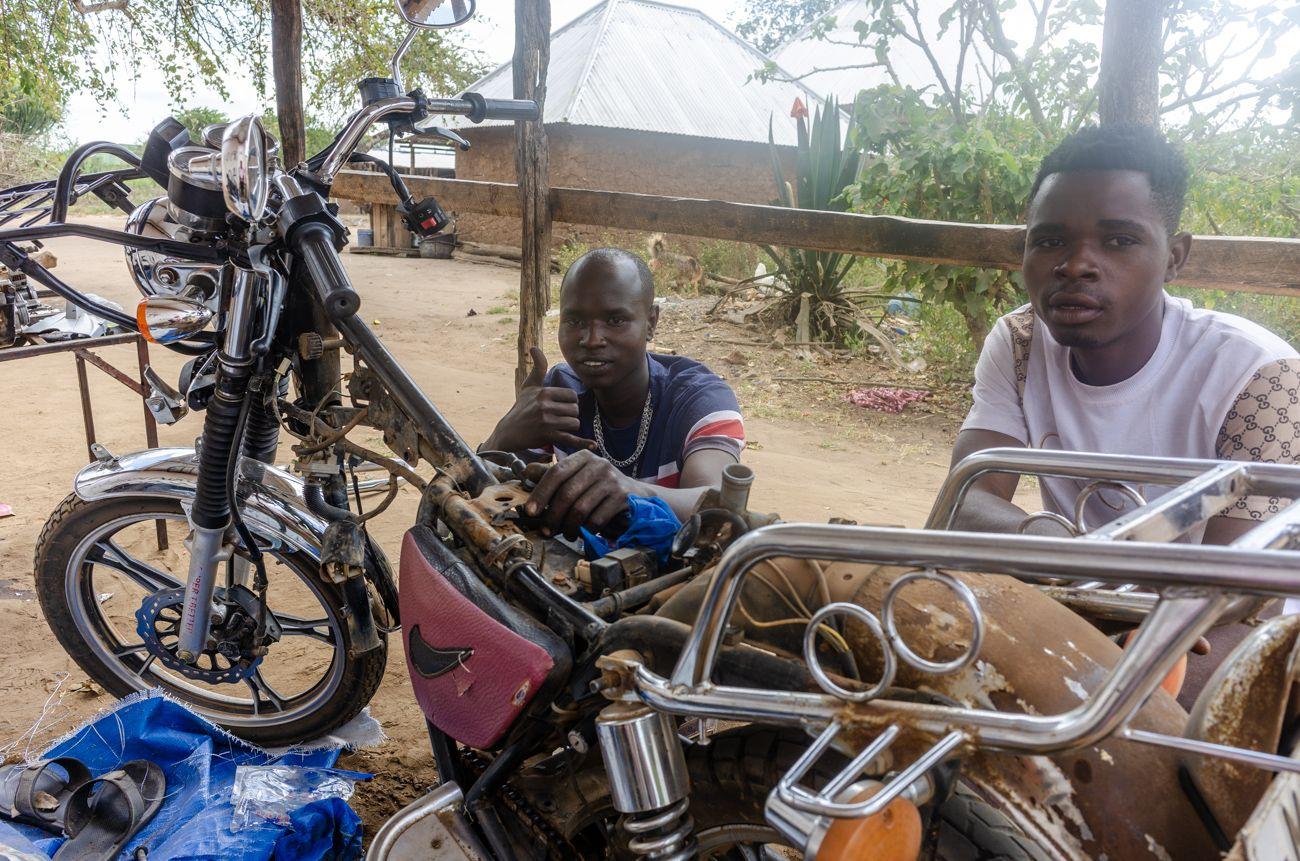
We finally booked Sekenoi’s bike into the spa—bits were bailing out mid‑ride and the poor thing was starting to look like a yard sale on wheels. No trouble finding a workshop: Alojz runs a parts store, and propped against his shop front is an awning under which our mate Koikai keeps his one‑man garage.
Koikai treated the machine to a full makeover: new valves, engine out, frame straightened, handle fixed, oil changed, chain greased, whole lot bolted back together. Price tag for parts and labour? ighty‑thousand Tanzanian shillings—about twenty‑five euros at the time. Back home you pay more than that just for saying “Good morning” at the reception desk of a car service. One last tech titbit: when Koikai swapped the air filter, a dead mouse fell out. A quality‑control inspector if ever I saw one.
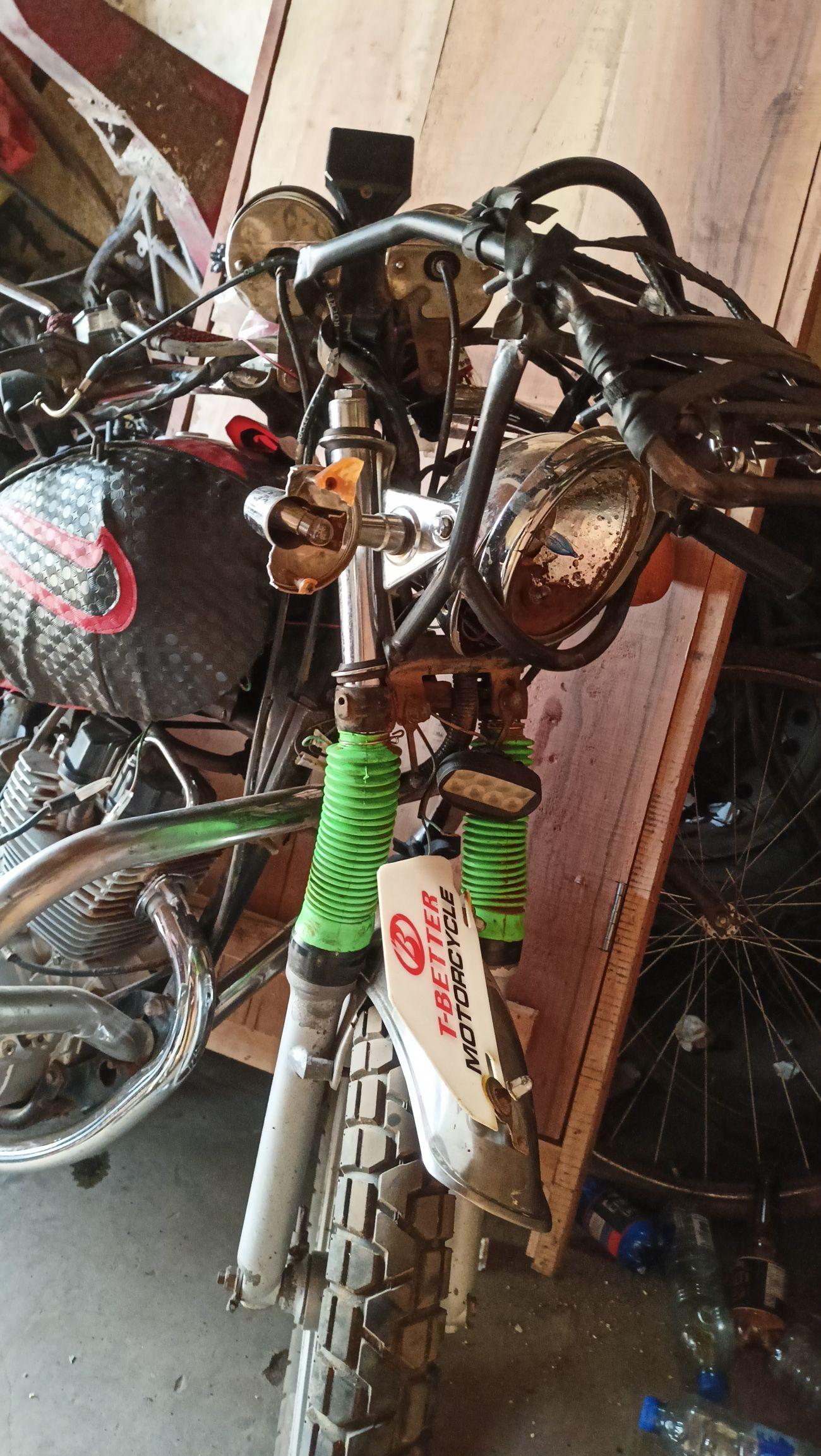
Back home a typical Saturday‑afternoon biker—provided it isn’t too chilly or, heaven forbid, too warm—wheels his machine out of the garage, the same bike he’s polished fifty times this month alone, thunders a whole forty kilometres, sinks three cappuccinos, tucks the bike back into its shed and resumes polishing for another month. Should he fancy an upgrade, he’ll drop half the bike’s value on what is essentially a different exhaust pipe. Or a bit of plastic in a mood‑lifting colour. In Tanzania things leaned gloriously the other way. Swahili ingenuity, Maasai flair, Chinese pragmatism—and, judging by some details, possibly the local poultry—all pitched in. The hardcore centre‑piece was a hand‑painted fuel tank: subjects varied, usually boldly figurative. Most bikes sported a little plastic maker’s plate on the front mudguard, facing forward like the mascots on Edwardian automobiles. The most popular badge boasted the proud name T‑Better.
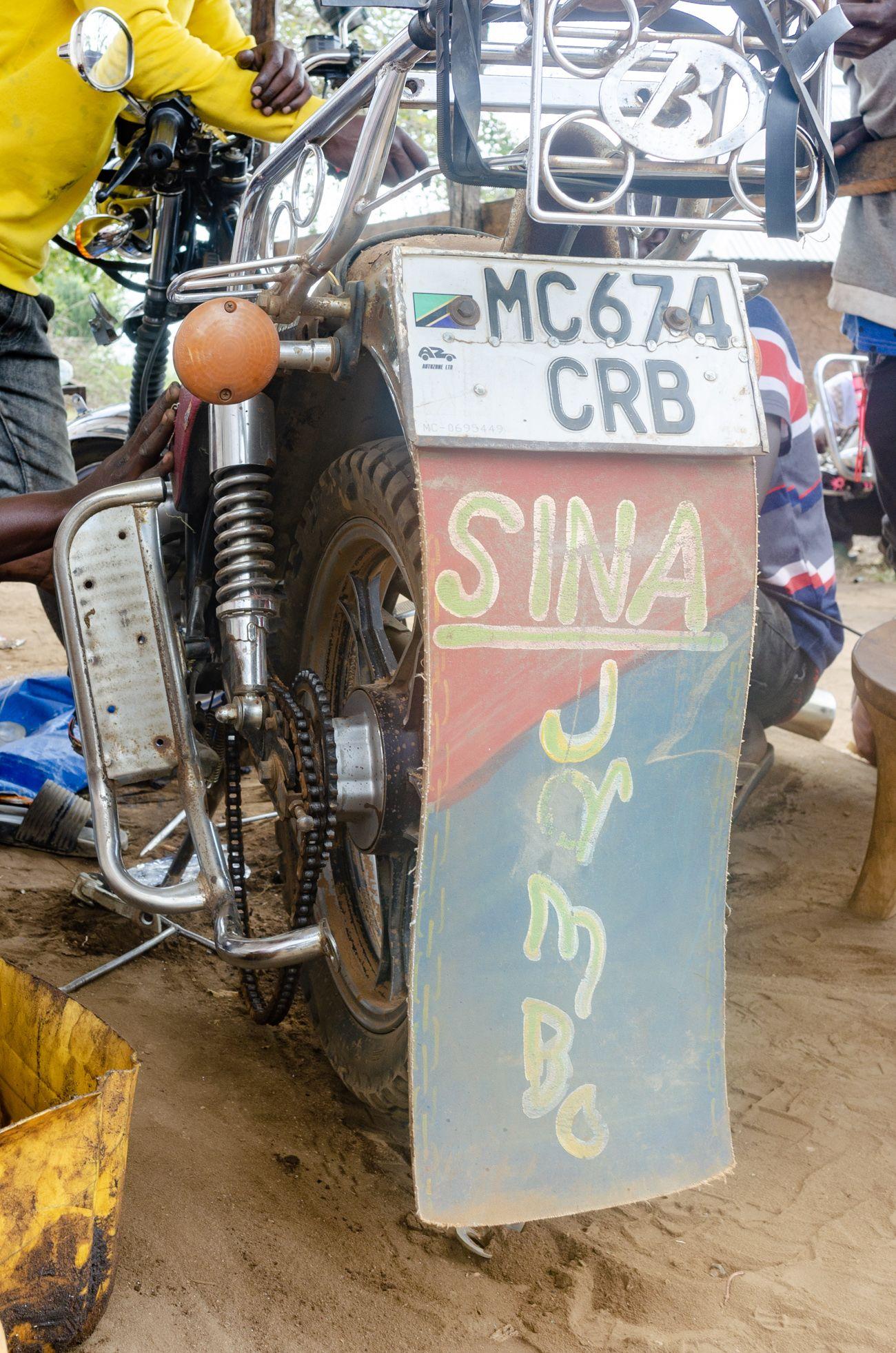
Curiously, those plates—utterly pointless save for advertising—were almost never redesigned by their owners.The runaway tuning cliché was a plastic zip‑tie fastened to the front rack, fluttering in the breeze like a budget victory ribbon. Boundaries? None whatsoever. My favourite mod was the supersized rear‑mudguard extension meant to keep flying muck off following traffic. Some were ten times bigger than the original part and carried war‑paint slogans. Top of the pops: “THIS IS A MOTORBIKE.”
The big guns—and I do mean big, the sort of chaps who measure their charisma in centimetres of ground‑clearance—like our friend Munikiti rode “lifted” bikes propped up on giraffe‑leg shock absorbers. They looked like lean, mean off‑roaders; in reality they were the exact same Chinese 125s everyone else thrashed to death. His mate Simba owned the identical show‑pony until his English girlfriend accumulated a distressing collection of leg fractures. After that he bought a stock machine, melted into the polyester grey of mediocrity and was never heard revving above the herd again.
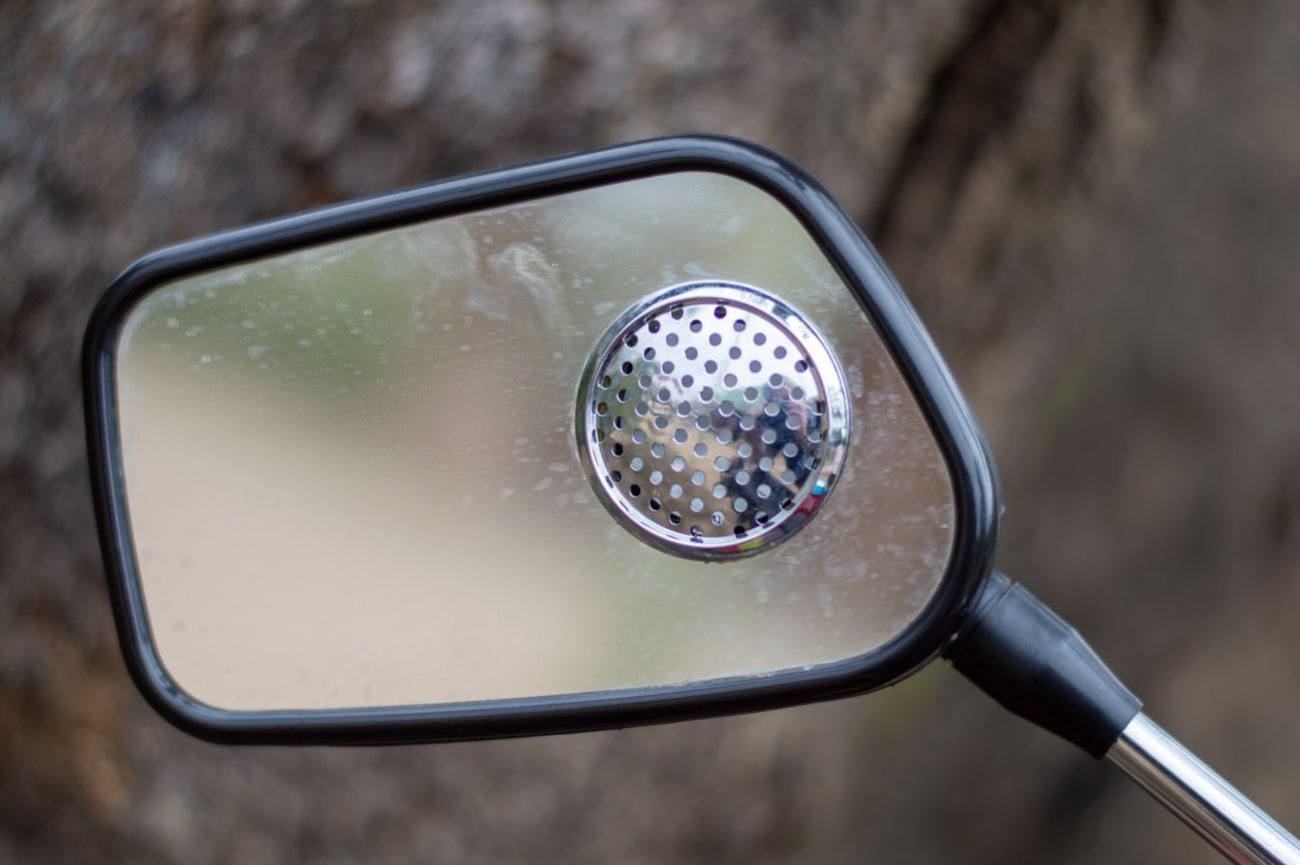
Naturally the new wheels still flaunted half‑bald knobbies and the usual plastic tassels, because tradition matters. And the real heavy‑hitters—really heavy, monstrously heavy—like Munikiti equipped their rear‑view mirrors with built‑in loudspeakers. Because if your exhaust note doesn’t say “legend,” your Spotify playlist will.
I’m a card‑carrying bike nerd and love snooping around for the latest two‑wheeled gimmicks, but I’d never clapped eyes on anything this bonkers. After all, who needs rear‑view mirrors when you can wedge loudspeakers into them? The next deluxe flourish was a talking motorbike. I blame the Chinese for that stroke of brilliance—the machine rolled out of the factory already fluent in English. And because it’s better to see once than sprint to the loo twice, I insisted on a full demonstration.
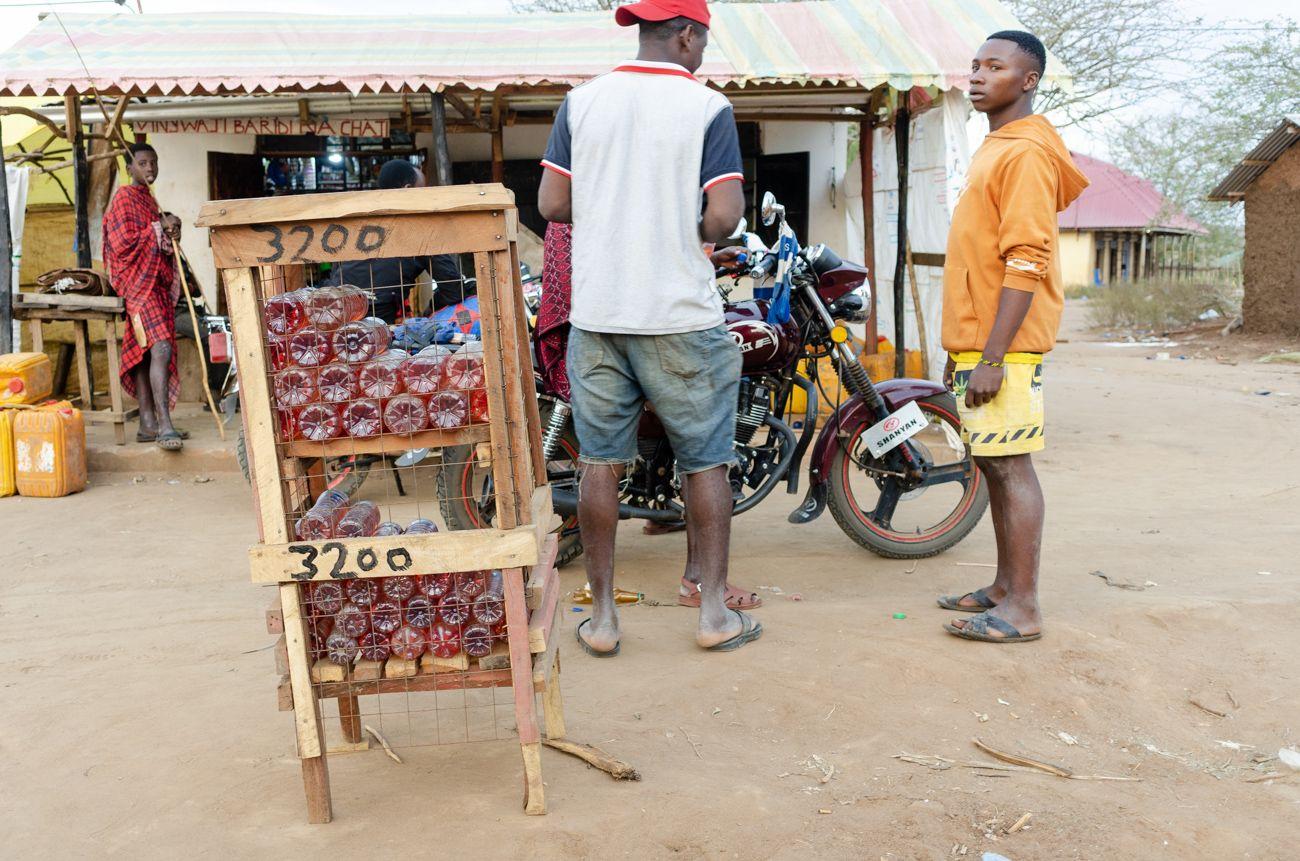
Because the nearest petrol station lurked forty kilometres away in Handeni, the locals solved the fuel problem in their own inimitable style. Wire cages stuffed with one‑litre bottles of petrol lined the verge, which meant every shop and street‑food stall doubled as a miniature filling station. All motorised life shared a charming habit: they bought just enough petrol to get somewhere. I witnessed this first‑hand on a run to Handeni. We packed an entire litre—an extravagantly low reading on the gauge—and set off. About five kilometres outside Mbogoi we found a bike parked by the track. We stopped; two minutes later a Maasai bloke burst out of the bush waving a mobile phone.
Running out of fuel on the open road happens all the time, but it’s ridiculously easy to sort. And no—you’re right—there’s practically zero signal out here, so the phone is about as useful as a snorkel in the Sahara. It’s possible the Maasai possess an inner map for mobile‑friendly clearings, the same way they can feel prime grazing land in their bones—how much signal there is, and where. Can’t swear to it; never asked.
When your tank finally wheezes dry, you simply flag down the next person heading into the nearest village, tell him to track down your mate, and ask that mate to find someone on a bike coming your way—who then brings you a splash of petrol. Sorted.
Fuel prices, first the arithmetic. In Mbogoi, a take‑home of 100 000 Tanzanian shillings already counts as a fat paycheck. A litre of petrol costs about 3 700 shillings. Result? Our “well‑paid” hero can spend an entire month’s wage on a princely 27 litres of fuel. Do the same trick with your own salary: divide it by twenty‑seven and—tada!—you’ve got your very own “Lengusero pump price.” Let’s low‑ball it: if somebody back home made a neat thousand euros a month, a single litre would ring up at €37. Pretty sure Western civilisation would fold faster than a cheap deckchair.
Not the Maasai. No drama, no flailing, no meltdown. They’ll ride a motorbike for a 50‑metre errand without blinking. Run out of petrol? Then there’s no petrol. Nothing breaks. Cash will show up one day, petrol will follow, and off they’ll zoom the hundred metres to a mate’s place, engine growling like a pampered tractor.
I took the motorbike out now and then, but not too often. Short trips from the village to the boma and back—with three people jammed on a trail full of half‑metre craters—I usually left to trained professionals.
Longer journeys to Handeni sparked a philosophical disagreement. On one side: the police, who held the firm belief that a mzungu—white guy—is infinitely wealthy and therefore should contribute generously to their personal financial well‑being. On the other side: me, firm in my conviction that I was broke, skint, and not handing over a single shilling.So most of my scenic tours around Lengusero were enjoyed from the pillion seat.
We rode to Handeni several times to shop or sort things out, and I always rode with Alojz. On our very first ride I discovered that Alojz is, in theory, a very sensible man—until he climbs onto a motorbike and hits open road. At which point, his common sense stays behind with the chickens.We bounced along to the strained roar of an overworked engine, while his weapon of choice—a rungu, the traditional club every self‑respecting Maasai carries—kept trying to crawl into my shoe.Then, as we crested one of the many glorious humps of the natural road, the rungu's rounded tip smacked me squarely between the legs. Twice. Masochists of the world, unite. And please—enlighten me: what exactly is the appeal?
But honestly, it wasn’t all that bad. That evening, as we sat around sipping beer, Sekenoi asked why I hadn’t told Alojz to slow down. I said I’d actually enjoyed the ride—so why would I?
Bad move. Alojz was sitting right there.The next trip to Handeni went fairly smoothly. Getting there.
The way back? Punishment, pure and simple.Alojz had knocked back five beers, night had fallen, but to him that just screamed perfect riding conditions. He swung onto the saddle, fired up the bike, and off we roared. I clung on for dear life, the bike bucked like a caffeinated goat, and Alojz purred along contentedly as ever. I purred less. After a few kilometres, I couldn’t feel anything. Anywhere. I mean it—masochists of the world, please write in. What is the appeal here, seriously?