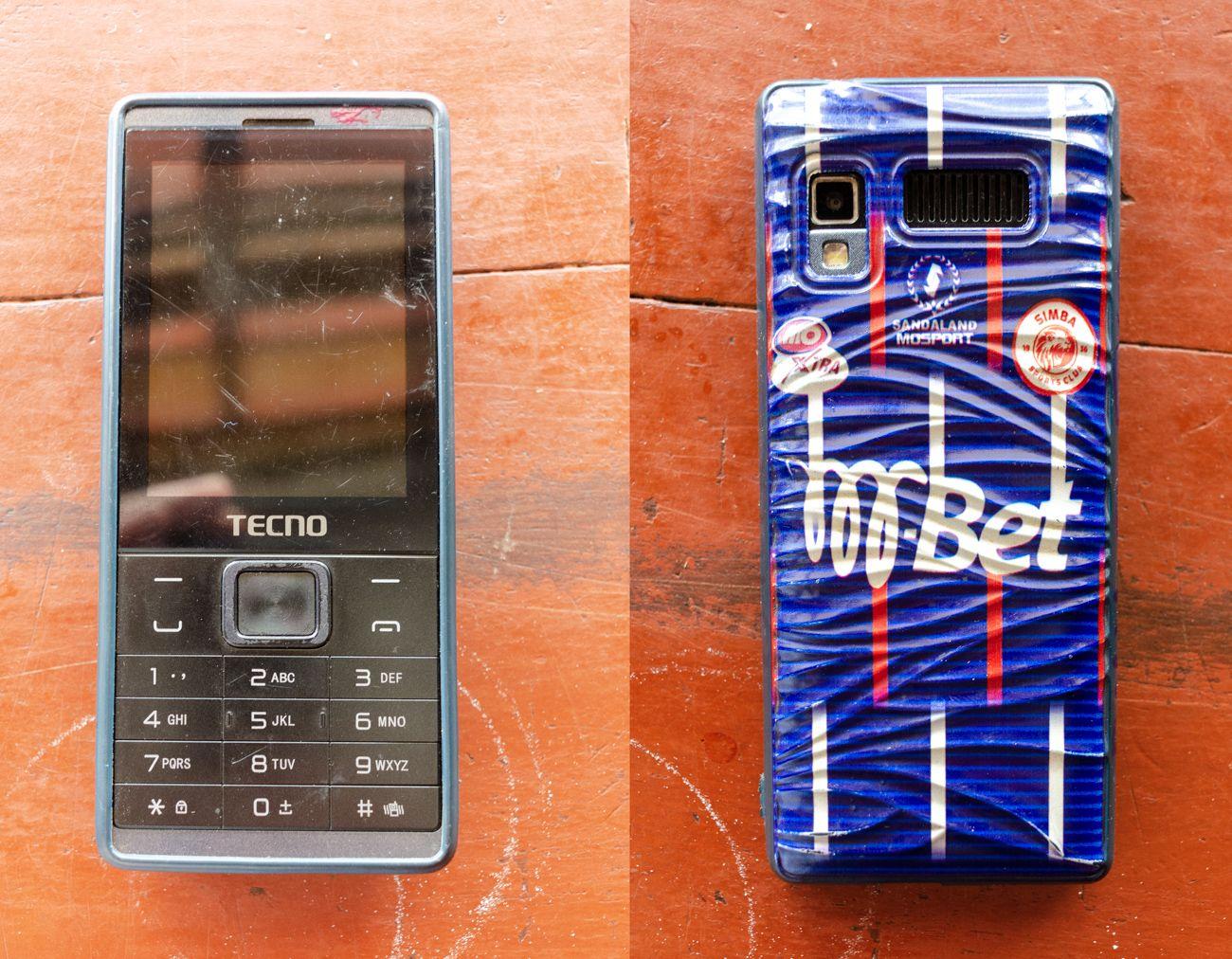
Just as owning a smartphone has become almost mandatory for us, having a mobile phone is a major trend in Mbogoi too. It’s not a phone by our standards—a smartphone—but a basic feature phone with a modest screen and limited resolution. For a long time, I wondered why they bothered owning phones. The mobile signal was only available outside the village in specific spots, and with no electricity, charging the phone was impossible. What use I’m talking about a phone with a dead battery and no signal. But these are trivial musings of an overthinking mzungu. The important thing is to have a mobile phone, known as simu. Its screen was truly low-quality, the camera barely had enough resolution to make out what was in the photo, and the music it played sounded like someone stepping on a pregnant earthworm’s tail.
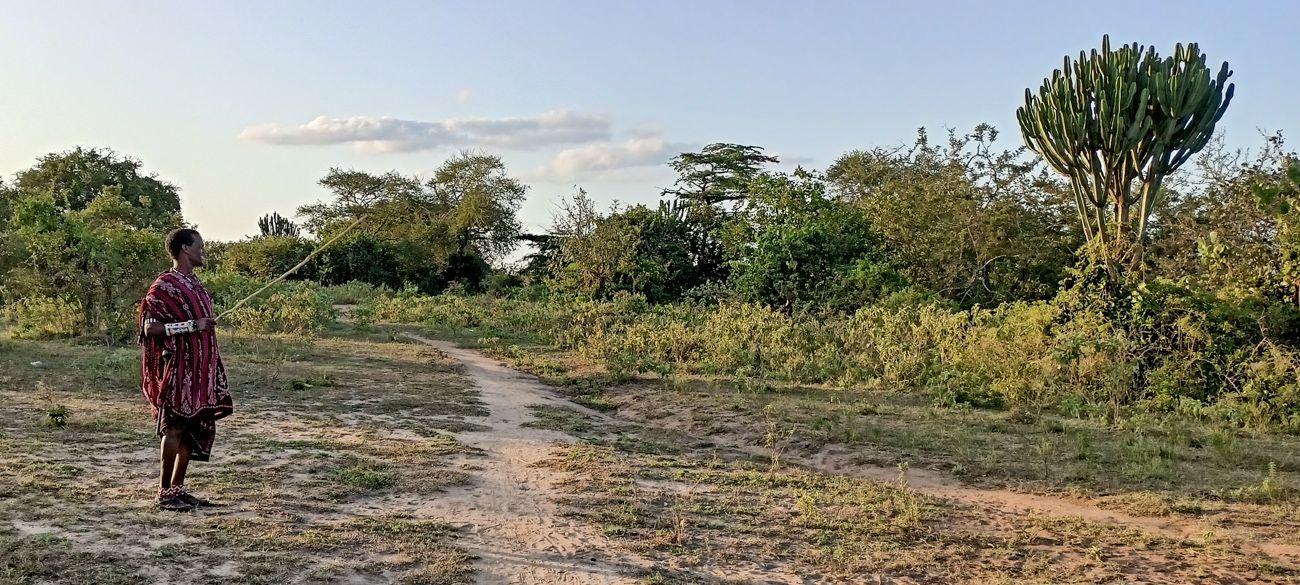
None of that matters. A typical image of a Maasai leaning his entire body against his staff, holding a mobile phone in the other hand, watching a song or scrolling through pictures of cows, was very common.
The Simu phone and the Tanzanian shilling. And Fotja.
Since there was no mobile signal for calls and no mobile signal for internet, Bluetooth reigned supreme. Songs were transferred from phone to phone, spreading faster than a dry-season cough. Once a new track surfaced—such as the techno fused with the Tanzanian favorite, bongo flava, with its pronounced electronic beeps—it quickly caught on. By evening, it was playing from every direction. I’m clueless about the origin of all these songs, pictures, and short clips—most of them pulled from YouTube—but there’s surely a shrub in the bush where it all begins. I’d really like to find this spot in the bush, as that shrub clearly has amazing reception.
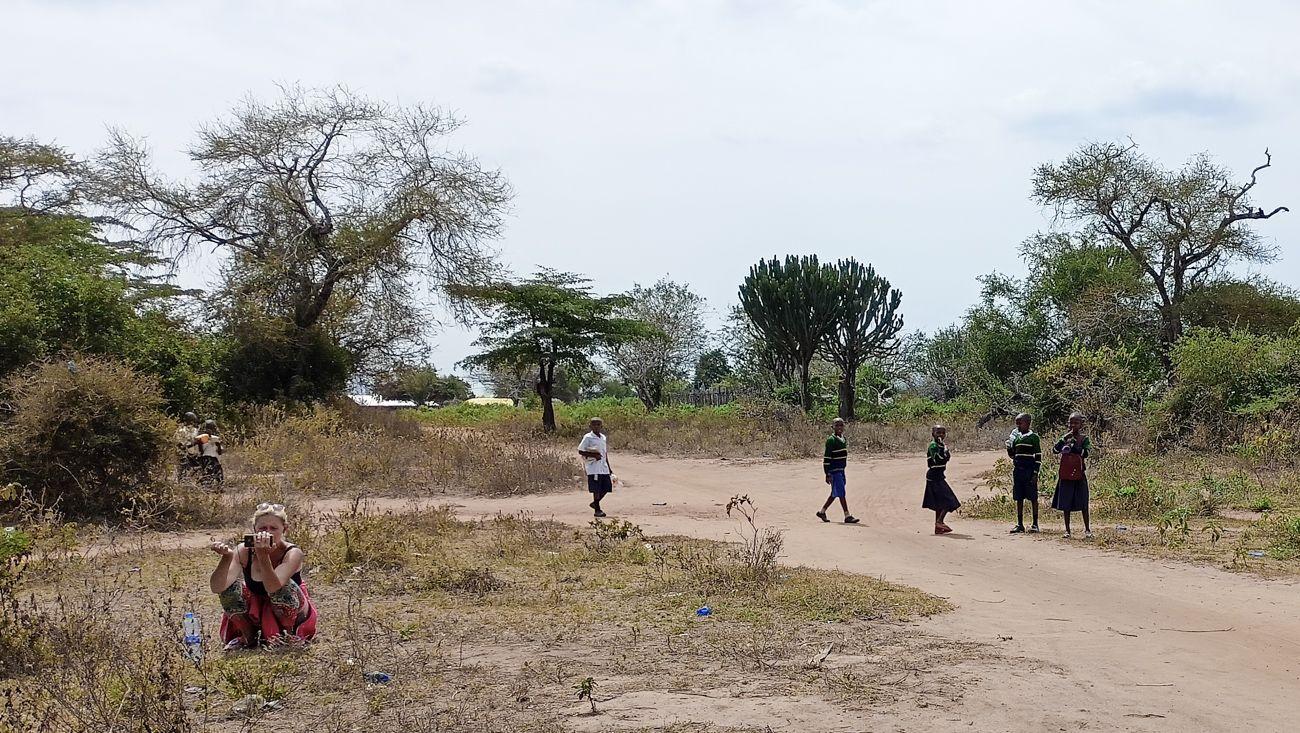
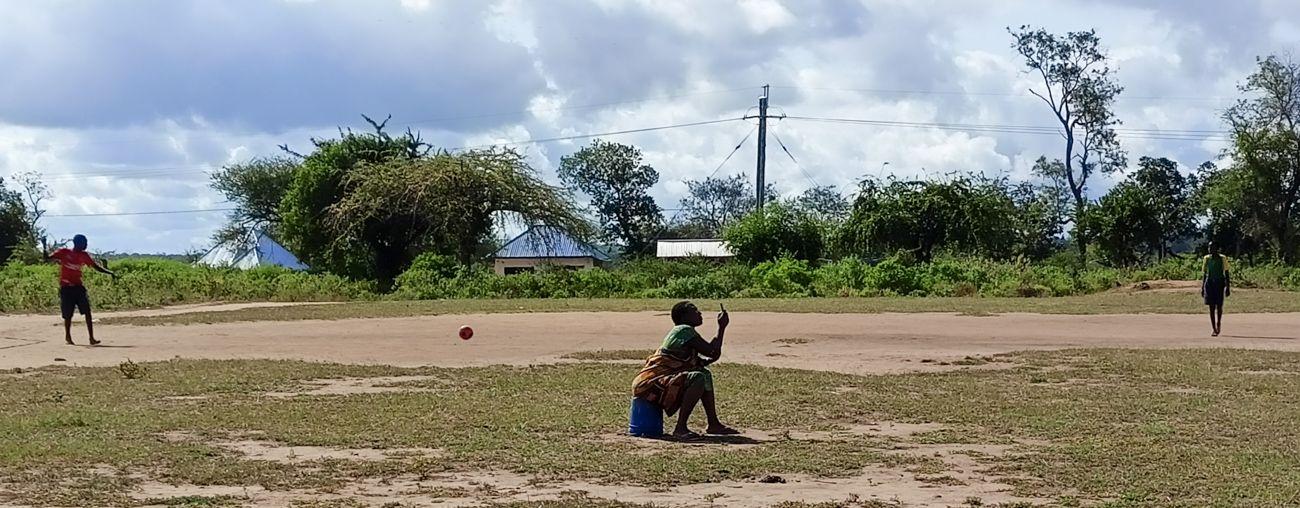
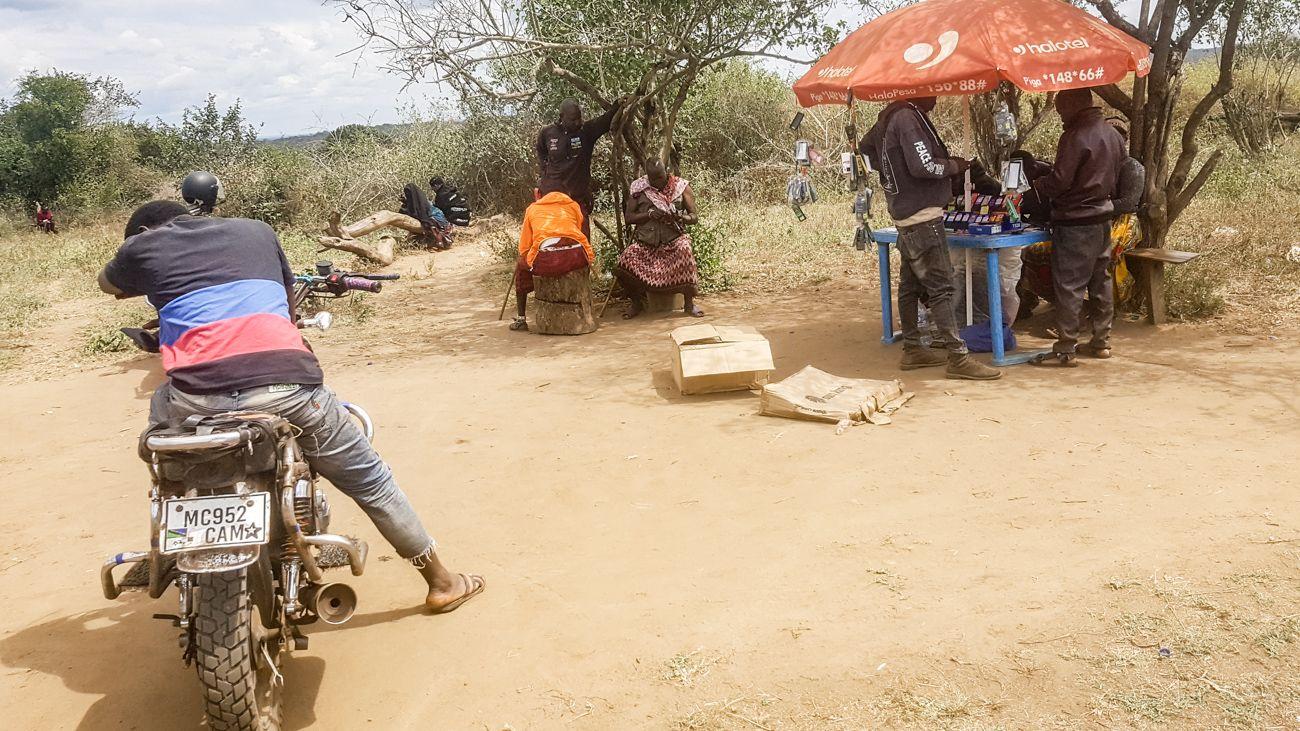
Catching a phone signal in Mbogoi was about as rare as spotting a Maasai in proper shoes. Roughly a kilometer away from home, there were two places where signal was available. One was near the school. We didn’t go there often because if the kids were on break, they’d cheerfully yell things into your call, like “Ciao!” or “Mzungu!” It always made me smile since those were the only two Swahili words I knew. The second place was by the village football pitch.There, you could reliably get a signal for calls, but the internet was hit or miss—mostly miss.
I imagined calling someone in Tanzania with my Tanzanian number just to use Tanzanian internet.I randomly dial a Tanzanian number, hear a string of incomprehensible words, and reply, “Hello, Tanzania speaking!” The voice on the other side continues in a mix of Swahili words I don’t understand. Being a well-mannered person, I try to keep the conversation friendly: “So, how’s the weather there? Sunny, or is it raining?” Not the smartest question for Tanzanian winter, considering it never rains there during that season. But it doesn’t matter—they don’t understand me anyway. The conversation continues awkwardly until the person on the other end hangs up. I have no idea who these people are, nor do they share how they’re doing. That’s the end of my virtual conversation with Tanzania. Let’s get back to our spot by the football field, where we hunt for internet signal.
So there I am, running around the field, watching my phone to see if three or more bars magically appear. Without three bars, the internet doesn’t work. I always thought the internet ran on electricity, but I was wrong—in Tanzania, the internet runs on bars. And it takes at least three.
Glory, glory, I’ve got three bars! And suddenly, I can’t remember what I even wanted to do online. I think... nothing. Maybe I should just call someone in Tanzania instead? It dawned on me later that if the person you’re calling has no signal either, the call just isn’t going to happen.
You could plan ahead and agree on a time to call, but for that, you’d have to visit them in person. And at that point, you might as well just tell them what you wanted to say.
So, one of the most practical uses for a simu phone in Tanzania is money transfers. Payment cards aren’t popular, the bank is 40 kilometers away, and since Maasai have to surrender their weapons upon entering, You can pay for all cashless transactions using your simu. And it works like this: you send an SMS with a roughly 845-digit number to another, far shorter number, and voilà—the payment goes through. Sounds simple, right? Not so fast—nothing in Africa is ever that simple.
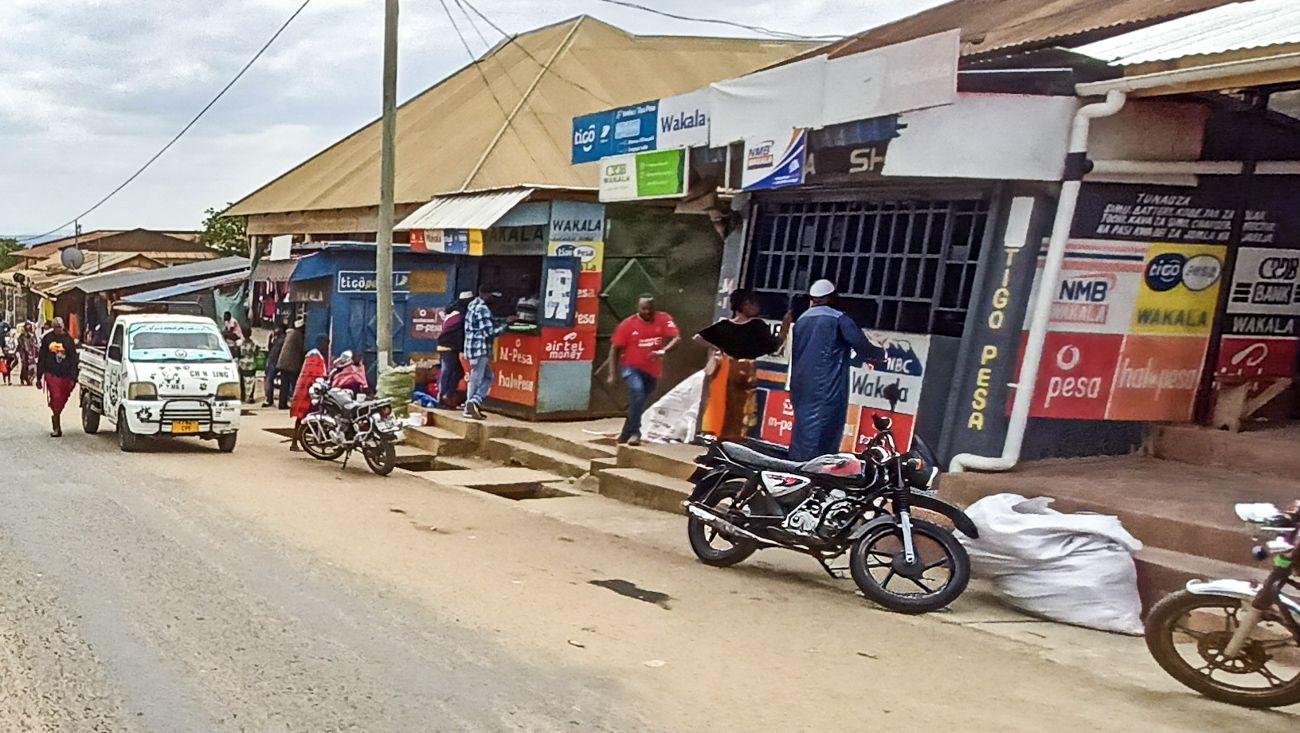
For starters, you need an account with the mobile operator, and you need money in that account. Secondly, you must be able to read and write. Thirdly, you can’t forget what you’re paying for, to whom, For these situations, there are booths everywhere—even in Mbogoi, there were one or two—called things like M-Pesa. They don’t always go by “M-Pesa”; instead, the name usually starts with the operator or something completely random, followed by “Pesa.” For instance, “Airtel-Pesa” or something like “The Booth Made of Old Wooden Planks Where a Person Sits, and You Give Them Money, and They Pay It for You—Pesa.” By the way, pesa means money in Swahili. Just a little detail to prevent any future confusion.
So, let’s take the simplest example. You need to send money to your second cousin, who’s stuck on Zanzibar, broke, and without a way to get home. You grab your cash, your phone—where you’ve saved your second cousin’s number—and head to a booth called “The Booth Made of Old Wooden Planks Where a Person Sits, and You Give Them Money, and They Pay It for You—Pesa.” You tell the person in the booth how much money you want to send, show them your second cousin’s number on your phone, and this kind soul takes your cash and transfers it to your cousin’s mobile number. Meanwhile, you vividly imagine your second cousin’s joy, and your cousin vividly imagines their journey Things get tricky when the booth “Anything Transferred Anywhere Quickly—Just Give Me the Money—Pesa” has no mobile signal. The service provider has to take their phone, a slip of paper with all the details, and walk to a spot with signal to complete the transaction.
There’s an even more sophisticated method. You go to a booth called “I’m Here, Give Me Money, I’ll Send It to Your Phone, and You’ll Have It—Pesa.” You deposit cash, and they transfer it to an account linked to your phone number. After that, you’ve got money in your account and can pay for things anytime—as long In practice, mobile operators fill the role of banks, amassing great wealth and wielding significant power in a country as corrupt as Tanzania.Now, this intersects with the fact that Starlink internet from Elon Musk is available in all neighboring countries—except Tanzania. This method even works for paying in restaurants through a simple SMS. On the table, there’s a menu with a number listed. You send money to that number, and your bill is paid.
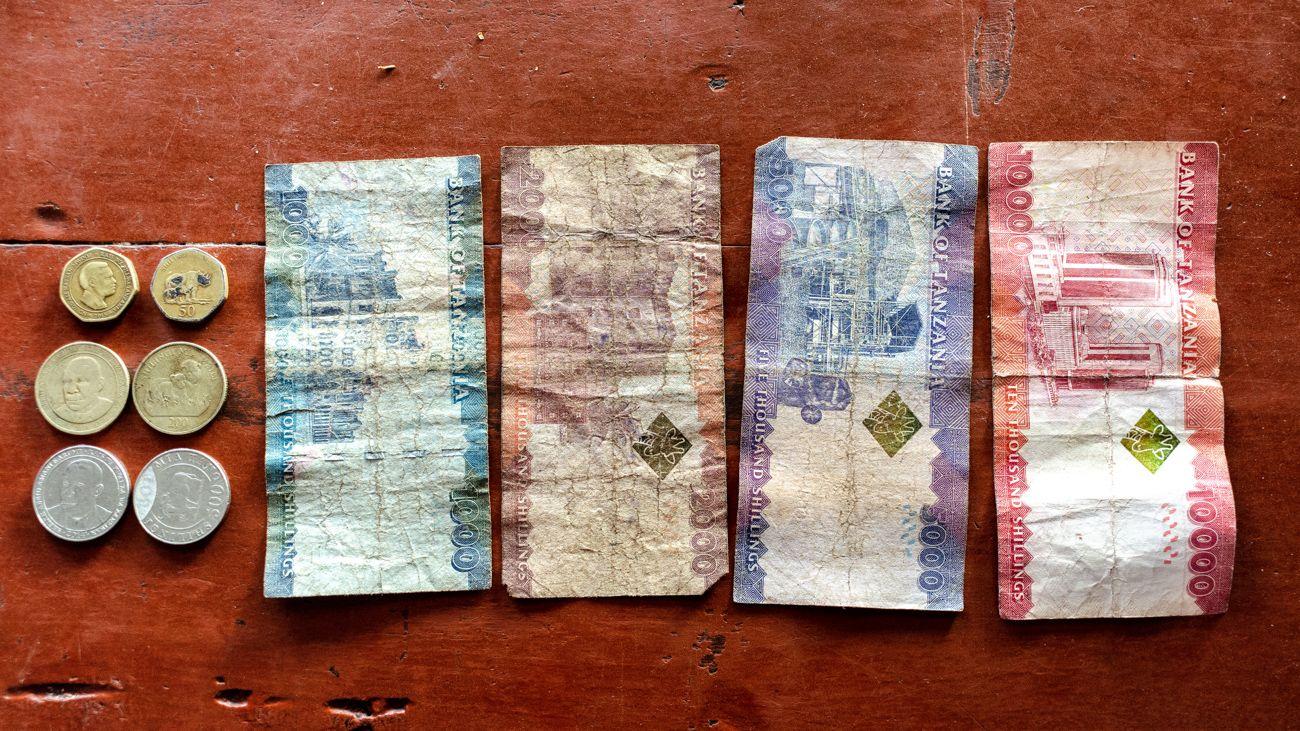
The Tanzanian shilling is a currency whose exchange rate, during my time in Africa, fluctuated between This currency is unique for its banknotes, which look as though they’ve been chewed on by cows.
I suspect that the National Tanzanian Banknote Printing Press is located right next to a massive herd of cattle, where freshly printed, pristine notes are given their rustic patina before circulation. You know how people buy jeans that are already worn or ripped? It’s kind of like that.
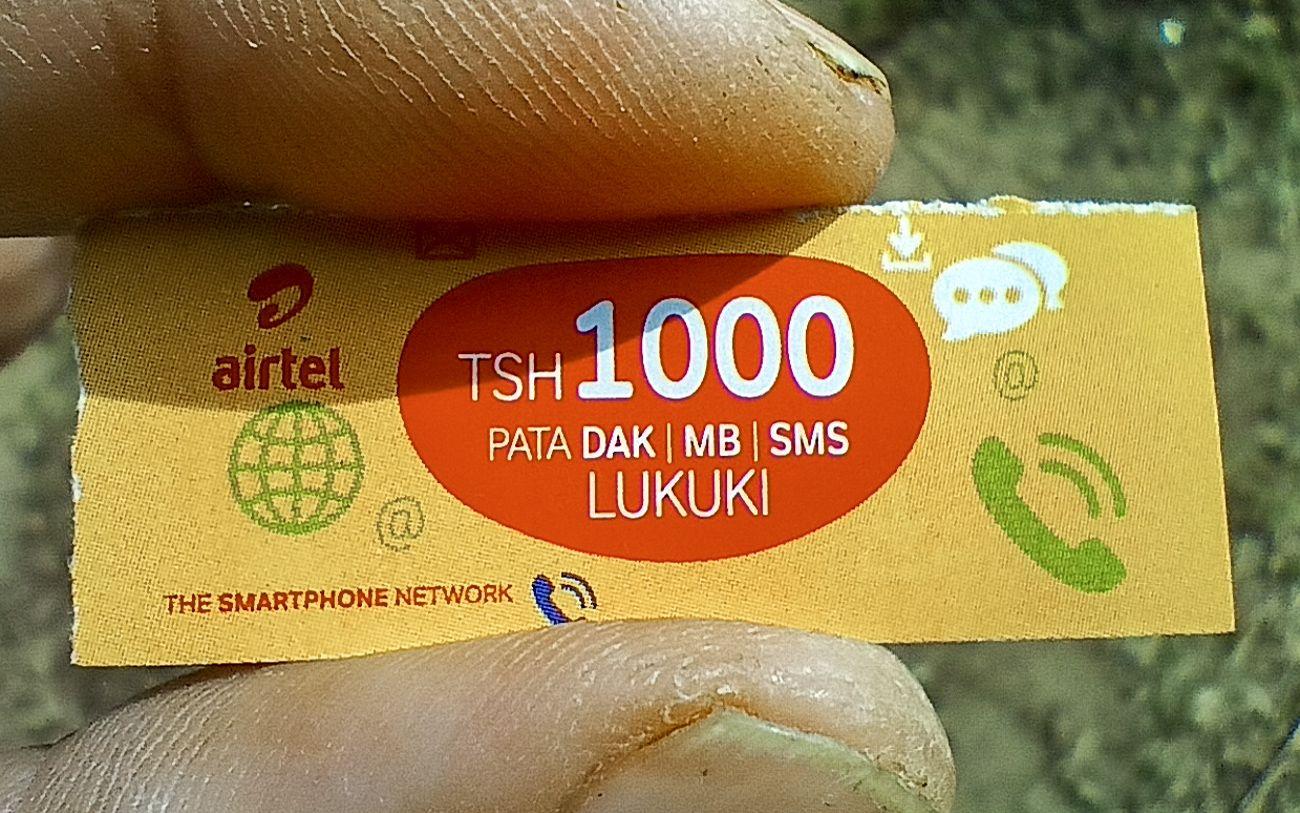
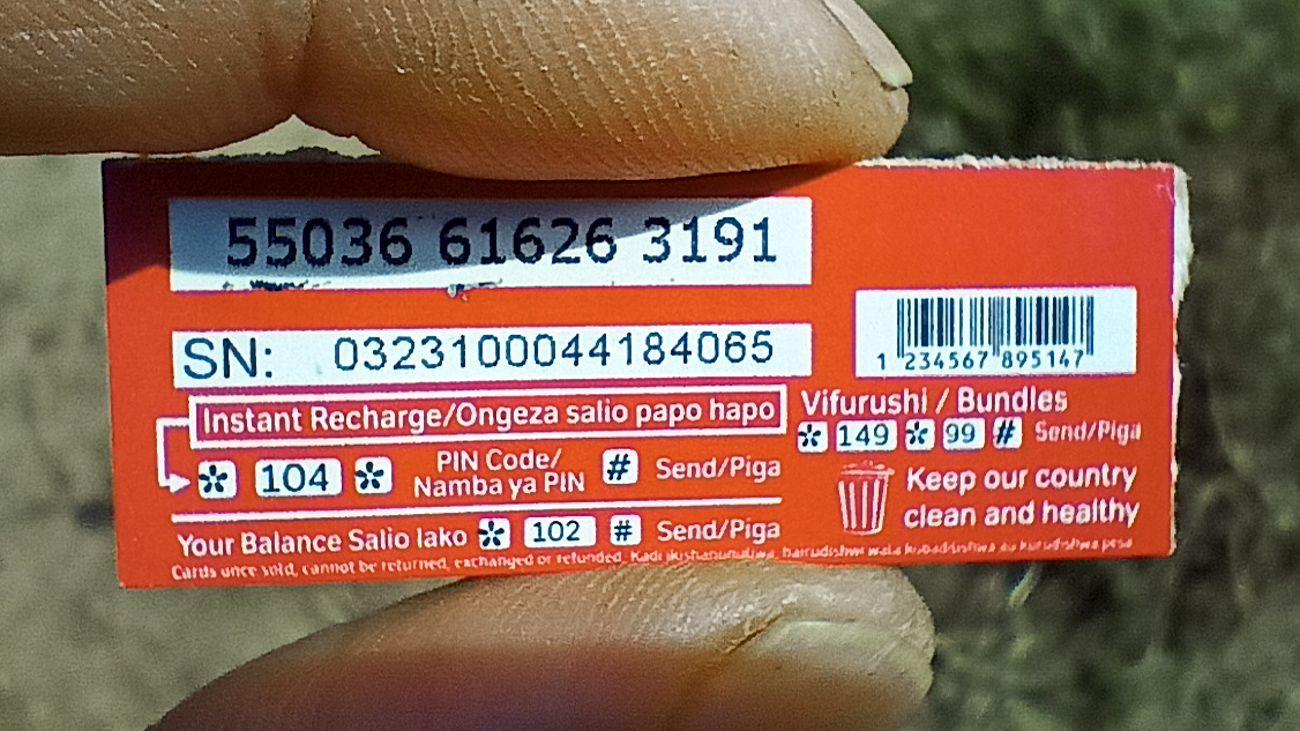
Paying for calls on a Simu phone is a rather fascinating process. If someone wants to make a call but has no credit, they need to buy a scratch card called a Fotyah at a shop. After getting your Fotyah, you scratch it with a fingernail to uncover an intricate number hidden beneath the surface.
This complicated number must then be sent via SMS to another complicated number. To keep things clear: these are numbers one and two. From number two, you’ll receive an SMS containing number three and number four. You then have to send number four via SMS to number three—make sure not to do it the other way around! Both numbers are ridiculously long and absurdly complicated.
The message reads: “Scratch another Fotyah—number five—and text the number from Fotyah number two to number six. In return, we’ll send you number seven. Enter it here to extend your call time.”
Bear in mind, we’re still dealing with small phones featuring keypads and tiny, low-resolution screens, where reading anything is a challenge. If, after 15 minutes of entering 83-digit numbers, you succeed, another strange menu appears. It reads:
It says: “Great, you can make calls or choose internet. But the internet will only work for three hours, during which you must use up 50 gigabytes. However, if you scratch another Fotyah, you’ll get internet for a whole week and calls for two weeks.” And how do you do that? You scratch Fotyah number three, send number seven to number eight, and you’ll receive number nine, which you enter into your Simu. And so the cheerful setup process continues. I believe somewhere in the instructions, there’s a mention of having to sing a verse of the Tanzanian anthem, tango with a goat, compose the missing 32nd Bach symphony, and, of course, spell “endoplasmic reticulum.” I’m not sure if I’ve described the process exactly as it is, but honestly, it’s not much different in reality.