Income for local men

Status: on the run

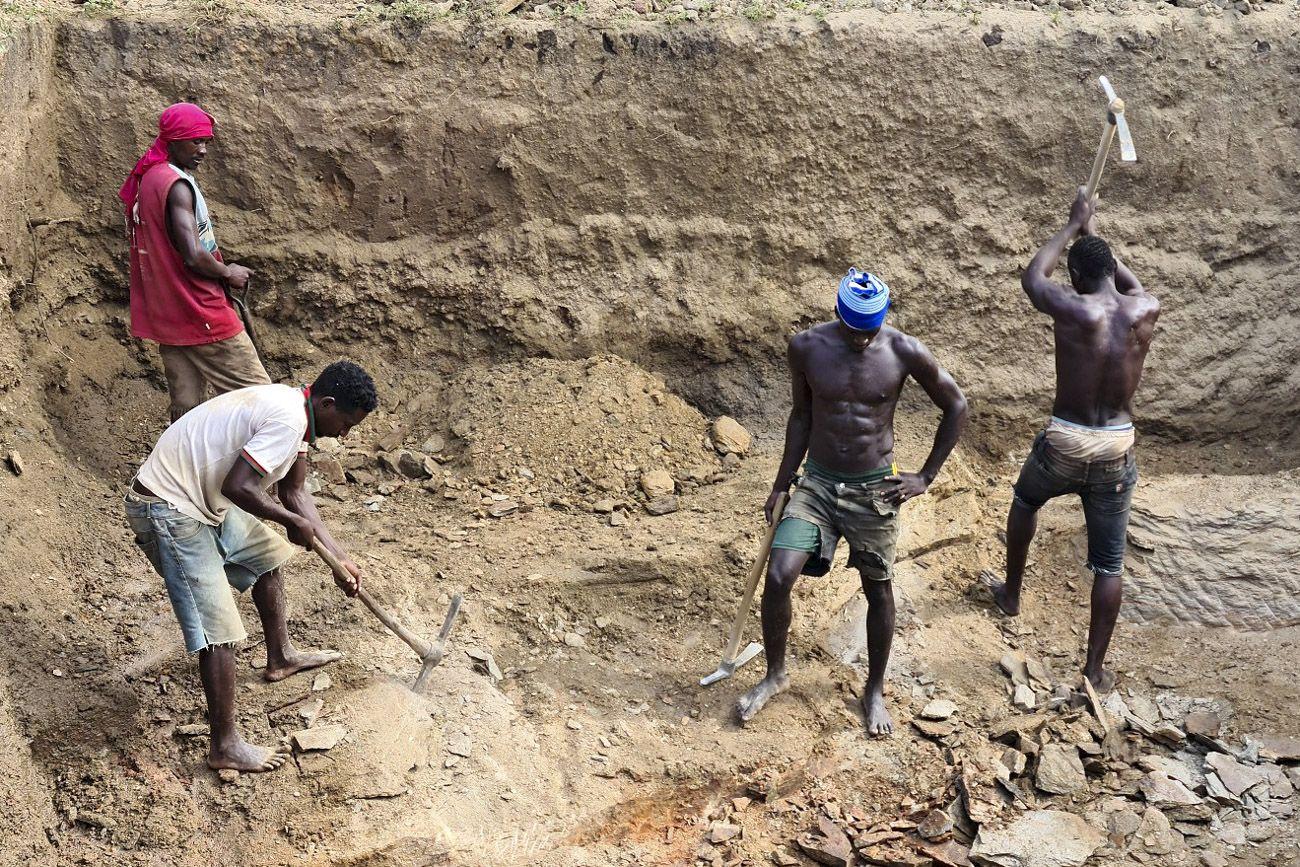
When someone spends more than a few hours with local people in Tanzania, it quickly becomes clear that the idea of their “laziness” is completely wrong. Yes, around midday they are often seen resting in the shade, but in the heat—when temperatures in the sun can exceed 50 °C—working is simply impossible. Locals know this well, which is why they wake up before dawn and do the hardest work early in the morning. Our Juma used to start digging a water tank at five a.m.—singing and smiling.
 

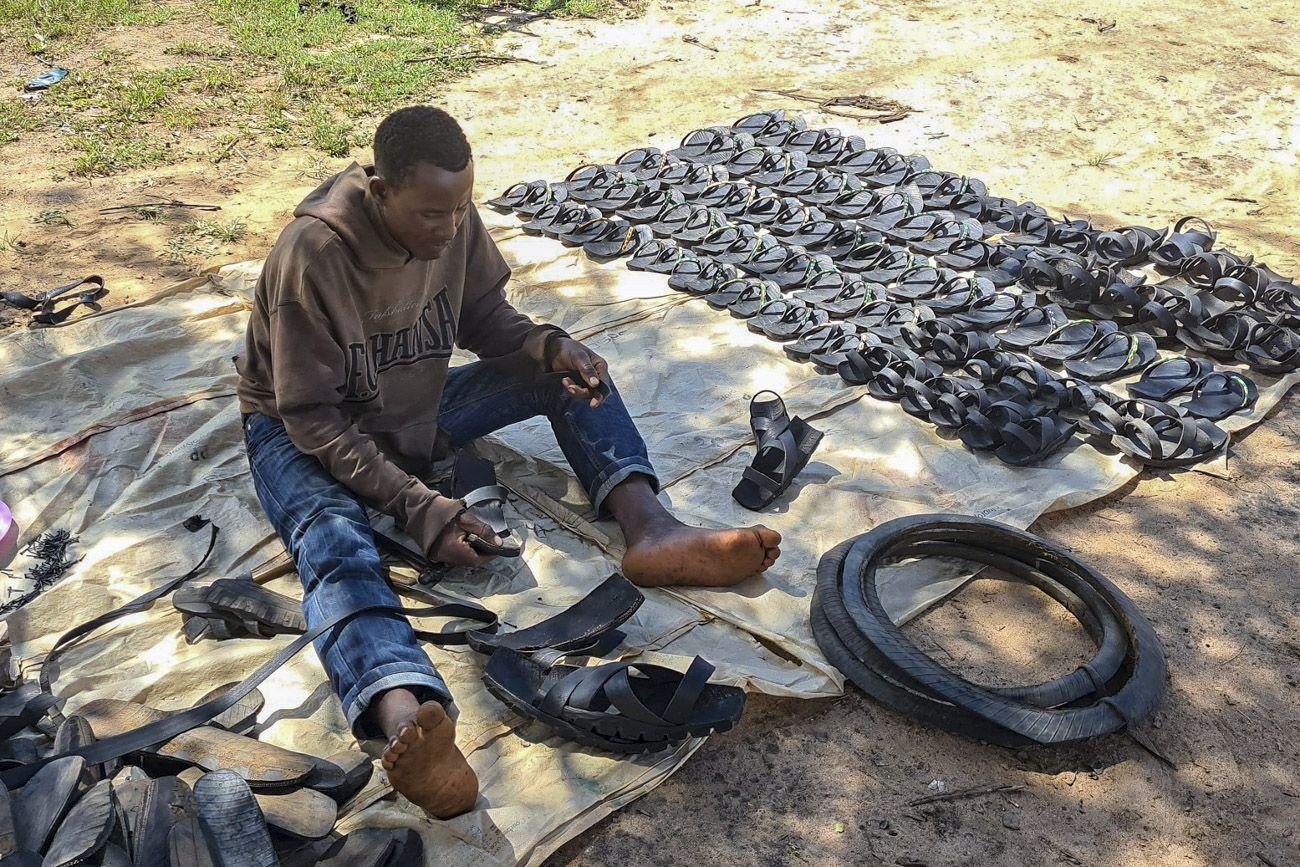
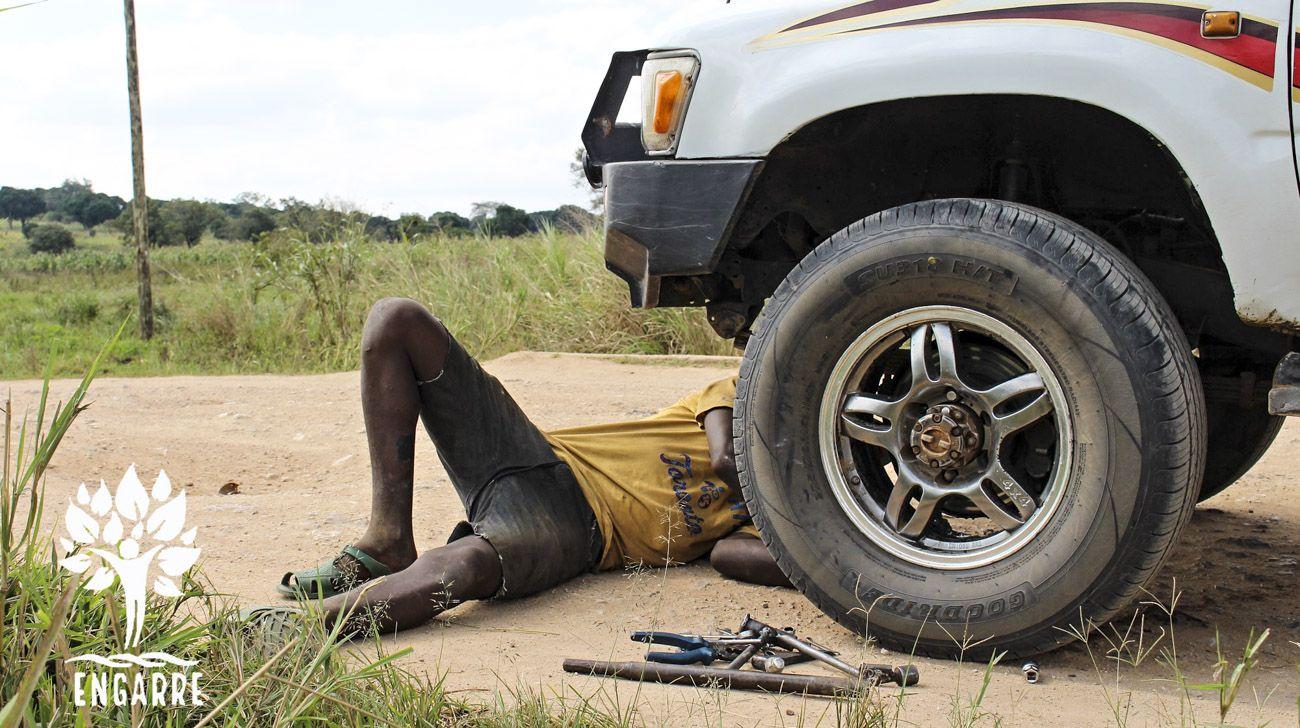
Life in the village starts around six. Women cook and wash, men head out to work. Everyone does what they know and whatever work is available. People are not afraid of work; they walk around the area and actively ask if someone needs help. Those with motorbikes work as boda-boda drivers, transporting people and goods. Others work as fundi—repairing things, sewing, making bricks, or taking care of livestock. Some run small “hotels,” meaning simple local eateries. Children who do not attend school help their families with small tasks.

Many families live day to day. Work is uncertain and income often covers only food. That is why Engarre focuses on creating job opportunities for local people, especially men who support their families. In every project, we prioritize hiring local workers—for both manual and skilled labor. Some have proven so reliable that we work with them repeatedly, giving them at least a partly stable income.

When people have work and fair pay, the whole community benefits. Projects such as school repairs, playgrounds, children’s centers, digging wells, or caring for the surroundings create many jobs and related opportunities—from construction to cooking and cleaning. We believe that this is how life can be improved step by step, for individuals and for the entire communit

Share this